

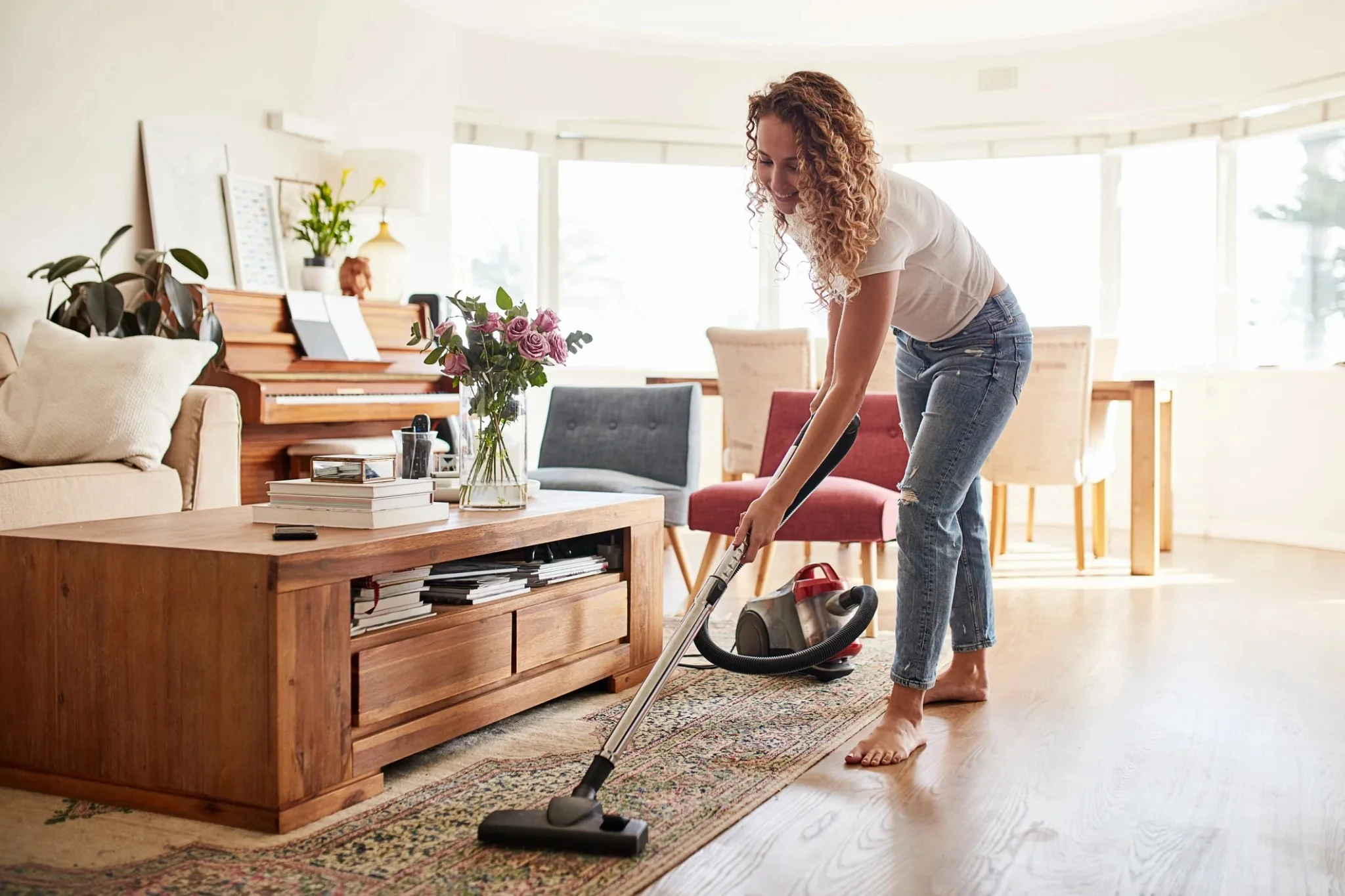
But how often should you vacuum, mop, and deep clean? Keeping your home clean isn’t just about appearances—it affects your air quality, health, and even how well your appliances work. The answer depends on your space, lifestyle, and foot traffic. Here’s a breakdown to help you set a realistic and effective cleaning routine.
Why Cleaning Frequency Matters
Regular cleaning prevents dust, allergens, and bacteria from building up. It also helps protect flooring, extend the life of your furniture, and reduce the effort needed during deep cleans. Skipping too long between cleanings can make messes harder to manage—and more time-consuming later.
How Often Should You Vacuum?
General Guidelines
- High-traffic areas (living rooms, entryways): 2–3 times per week
- Bedrooms and less-used rooms: Once a week
- Homes with pets or allergies: Daily or every other day
- Stairs and upholstery: Weekly or biweekly
Tips for Efficient Vacuuming
- Use a vacuum with a HEPA filter if you have allergies
- Empty the dustbin or bag regularly to maintain suction
- Move slowly over high-pile carpets for a deeper clean
How Often Should You Mop?
General Guidelines
- Kitchens and bathrooms: Once a week
- Living spaces with hard floors: Every 1–2 weeks
- High-traffic or sticky areas: As needed, or 2–3 times a week if barefoot traffic is frequent
Mopping Tips
- Use the right mop for your floor type (steam mop, spin mop, microfiber)
- Avoid soaking wood floors—use a damp mop instead
- Always vacuum or sweep before mopping to avoid pushing dirt around
How Often Should You Deep Clean?
Deep Cleaning Recommendations
- Kitchen appliances (fridge, oven, microwave): Monthly or quarterly
- Bathroom (tiles, grout, drains): Once a month
- Windows and window sills: Every 3–6 months
- Baseboards, ceiling fans, light fixtures: Every 3 months
- Mattresses and upholstery: Every 6 months
- Carpets and rugs: Deep clean every 6–12 months
Signs It’s Time for a Deep Clean
- Lingering odors even after regular cleaning
- Visible buildup in corners, grout lines, or behind furniture
- Allergy symptoms like sneezing or itchy eyes indoors
Build a Cleaning Schedule That Works for You
You don’t have to deep clean everything all at once. Try breaking tasks into weekly, monthly, and seasonal checklists. Apps or simple calendars can help you keep track of what’s done and what’s due.
Practical Tips for Maintaining Your Floors
To keep your floors looking their best, develop a mix of routines tailored to your lifestyle. When vacuuming, aim for thoroughness. Focus on high-traffic areas like entryways daily. In less-used rooms, vacuum at least once a week.
For mopping, use a damp mop rather than a soaked one. Excess water can damage wood floors or promote mold in damp corners. Aim to mop hard surfaces every two weeks, adjusting based on foot traffic and spills.
During deep cleaning, don’t forget about baseboards and corners. These areas often collect dust and dirt. Set a reminder to clean these spots at least once a month for a thorough maintenance routine. You can find more tips on deep cleaning recommendations here.
Common Mistakes to Avoid
One frequent oversight is vacuuming without checking the settings. Different surfaces require adjustments in suction and brush height. Using the wrong settings can either damage your flooring or leave dirt behind.
Another mistake is mopping with dirty water. Always change the water during your mop sessions to prevent redepositing grime. If you notice a build-up of dirt, use a cleaner designed for your floor type to avoid damage.
When deep cleaning, don’t skip areas you can’t see. Grime can accumulate under furniture and appliances. Ensure you shift items and reach hidden spots for a truly deep clean.
Costs Associated with Cleaning Regularly
The financial impact of cleaning products can add up over time. A quality vacuum can range from $100 to $500, depending on the brand and features. Consider your budget and choose a model that aligns with your cleaning needs.
Mopping supplies, like buckets and cleaning solutions, typically range between $20 and $50. You may need to replenish these items every few months, depending on use and your chosen products.
For those who prefer professional cleaning services, costs can vary significantly. While a standard deep clean can range from $100 to $300, this cost might be incurred seasonally. Assess the value of time saved versus money spent when deciding on professional help.

Who Benefits from Each Cleaning Method
Regular vacuuming suits busy households, especially with pets or children. Those with allergies will also benefit from increased vacuuming frequency to reduce allergens like dust and dander.
If you’re looking for a light cleaning routine that still maintains hygiene, mopping weekly works well for families or individuals who cook at home often. A clean kitchen floor significantly reduces grime and bacteria.
Deep cleaning is ideal for those who host frequently or have moved into a new space. It’s also beneficial for anyone managing seasonal allergies, as it helps eliminate dust mites and allergens trapped in carpets and upholstery.
Related reading: hose nozzle.
Final Thoughts
Vacuuming, mopping, and deep cleaning don’t need to take over your life—but staying consistent keeps your home healthier, fresher, and easier to manage. The right tools, combined with a realistic routine, can make all the difference.
Want gear that actually makes cleaning easier? Explore our top picks in Cleaning Tools.





Leave a Reply