


When I first decided to test smart thermostats, it wasn’t because I wanted another “cool gadget” in my home—it was because I was tired of inconsistent temperatures, wasted energy, and heating bills that seemed to have a mind of their own.
I tested these thermostats over several weeks, swapping them between rooms and different HVAC setups to see how well they handled real-world conditions. From easy-to-use budget models to feature-rich premium ones, I wanted to find out which thermostats really make life easier—and save you money.
If you’re thinking of upgrading, you’ll want something that fits your budget, works with your heating/cooling system, and has features you’ll actually use. Let’s break it down.
Quick Questions to Ask Before Buying
- Does it work with your existing HVAC system? (Some need a C-wire)
- Will it integrate with your smart home assistant (Alexa, Google Assistant, Apple HomeKit)?
- Do you want learning/adaptive features or manual scheduling?
- How important are design and display quality to you?
- Are you aiming for maximum energy savings, advanced control, or both?
Smart Thermostat Types
| Type | Description |
|---|---|
| Programmable Smart Thermostats | Let you set schedules via app or device |
| Learning Thermostats | Automatically adapt to your habits and preferences |
| Voice-Control Thermostats | Work directly with Alexa, Google Assistant, or Siri |
| Energy-Monitoring Thermostats | Track energy use and suggest savings |
| Budget Smart Thermostats | Offer basic smart features at a lower price |
Our Top Picks by Category
| Category | Product |
|---|---|
| Best Overall | ecobee Smart Thermostat Essential |
| Best Budget | Amazon Smart Thermostat |
| Best Touchscreen Display | Honeywell Home T9 Smart Thermostat with Sensor |
| Best Google Assistant Integration | Google Nest Thermostat |
| Best for Multi-System Compatibility | Emerson Sensi Touch Wi-Fi Smart Thermostat ST75 |
Hands-On Reviews
ecobee Smart Thermostat Essential
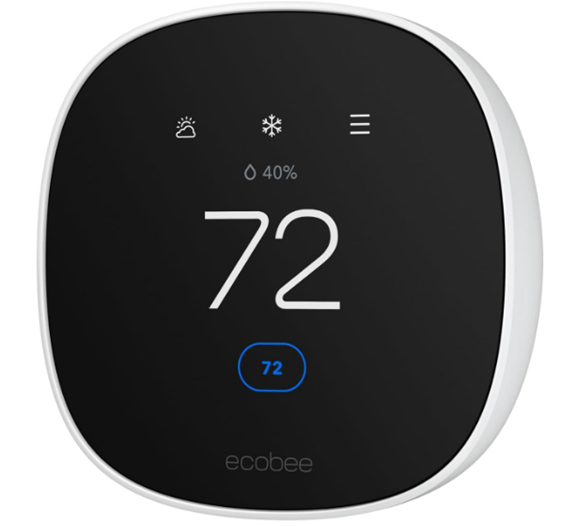
Best for: All-round performance and energy savings
Why We Like It:
The ecobee Essential impressed me with how quickly it made my home feel comfortable after changes in outdoor temperature. Its scheduling is intuitive, and the app is clean and responsive. I loved that it supports Alexa without an additional device.
Pros
- Excellent energy-saving features
- Built-in Alexa compatibility
- Clear and bright display
- Easy installation with clear instructions
Cons
- Pricier than some budget models
- Lacks the premium glass finish of the higher-end ecobee models
Amazon Smart Thermostat
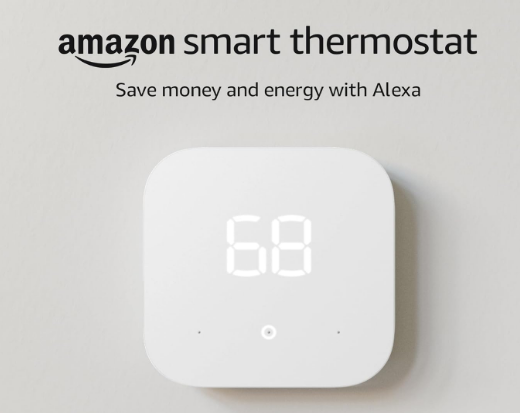
Best for: Budget-friendly Alexa integration
Why We Like It:
This thermostat is incredibly affordable yet offers the essential smart features most people need. The app integration is seamless if you’re already in the Alexa ecosystem, though it’s more basic compared to premium models.
Pros
- Very affordable
- Seamless Alexa integration
- Easy app control
- Simple, minimalist design
Cons
- No advanced learning features
- Requires Alexa device for voice control
Honeywell Home T9 Smart Thermostat with Sensor
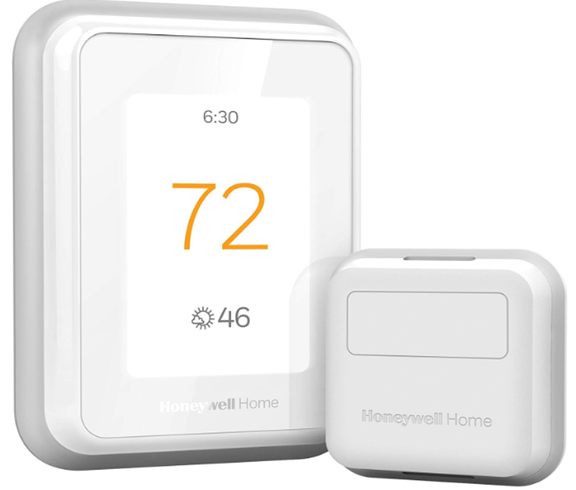
Best for: Large homes with room-by-room control
Why We Like It:
The included smart sensor lets you balance temperatures between rooms—a game changer for multi-level homes. The touchscreen interface is large and responsive, and setup was surprisingly quick.
Pros
- Room sensors for precise comfort
- Large, easy-to-read touchscreen
- Compatible with multiple voice assistants
- Reliable scheduling
Cons
- Sensors need batteries replaced periodically
- Slightly bulkier design
Google Nest Thermostat
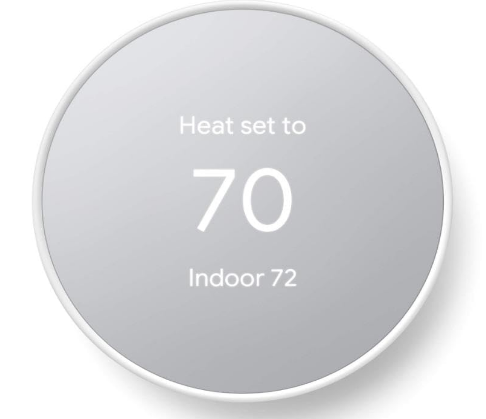
Best for: Google Assistant households
Why We Like It:
Nest’s auto-scheduling is still one of the smartest features out there. It learns your habits and makes adjustments without you thinking about it. The design is sleek, and the app is excellent for remote control.
Pros
- Sleek, minimalist design
- Learns and adapts to your schedule
- Strong Google Home integration
- Energy usage reports
Cons
- Limited compatibility with some HVAC systems
- No built-in Alexa support
Emerson Sensi Touch Wi-Fi Smart Thermostat ST75
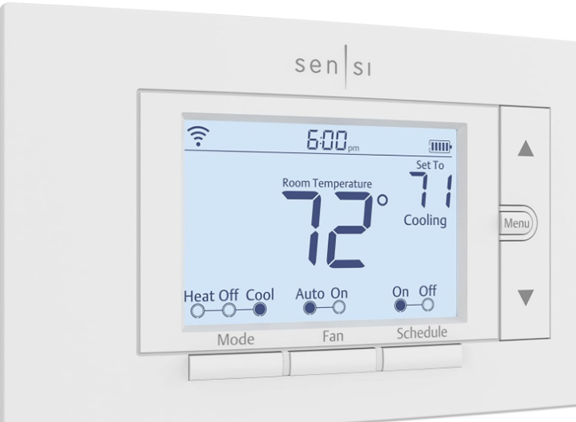
Best for: Older systems or complex HVAC setups
Why We Like It:
The Emerson Sensi Touch handled every HVAC setup I tested it on, including older models that struggle with newer smart thermostats. The color touchscreen is bright, and the app offers robust customization.
Pros
- Works with a wide range of HVAC systems
- Responsive color touchscreen
- Detailed scheduling options
- Energy Star certified
Cons
- Design feels less modern
- App interface is functional but dated
Other Things to Consider
- Compatibility: Always check your system type before purchase—some thermostats require a C-wire.
- Voice Assistant Integration: Decide if Alexa, Google, or Siri control is important to you.
- Sensors: Remote sensors can improve comfort across rooms but may require battery changes.
- Energy Reports: Some models provide detailed usage stats for energy-conscious homeowners.
- Price: Premium models can save more over time, but budget picks work fine for basic needs.
There is more on review of top picks elsewhere on the site.
Frequently Asked Questions
Do all smart thermostats require Wi-Fi?
Yes, to access remote control and smart features, a Wi-Fi connection is necessary. Without it, most will still function as regular programmable thermostats.
Can I install a smart thermostat myself?
Many can be installed in under 30 minutes if your system is compatible. However, if you lack a C-wire or have a complex setup, you might need professional help.
Do smart thermostats really save money?
They can—especially models with learning capabilities and energy reports. Savings depend on your usage patterns and local energy costs.
What’s the difference between programmable and learning thermostats?
Programmable thermostats follow schedules you set, while learning models adapt automatically to your habits.
Will these work with both heating and cooling?
Most models support both, but always check the product specs to confirm compatibility with your system.
Conclusion
If you want the best mix of smart features, reliability, and energy savings, the ecobee Smart Thermostat Essential is a strong all-around choice. On a budget? The Amazon Smart Thermostat offers great Alexa integration at a fraction of the price. For large homes, the Honeywell Home T9 stands out with its room sensors, while Google Nest is perfect for those in the Google Home ecosystem.
If you have an older or more complex HVAC system, the Emerson Sensi Touch is a safe bet. No matter which you choose, upgrading to a smart thermostat is one of the easiest ways to improve comfort and cut energy costs.





Leave a Reply