

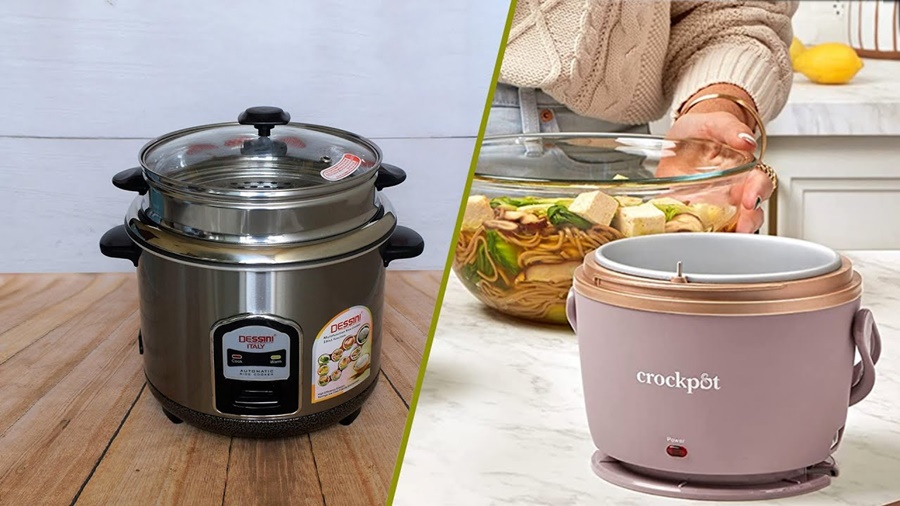
Two popular appliances that save time and effort in meal preparation are the slow cooker and the rice cooker. In modern kitchens, convenience and efficiency are key. While both are designed to make cooking easier, they serve very different purposes. Understanding their functions, advantages, and ideal uses will help you decide which one suits your cooking style best.
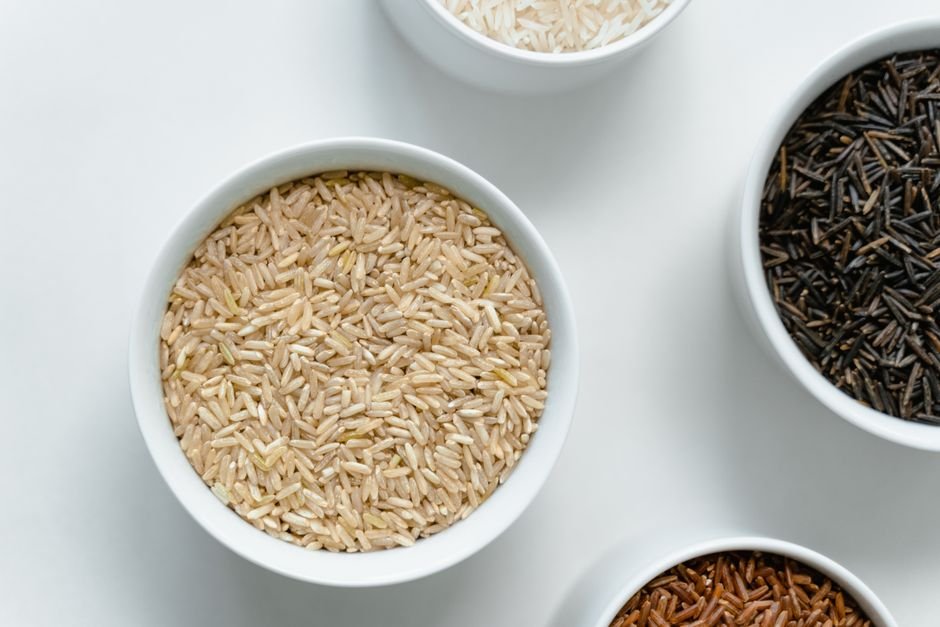
1. What Is a Slow Cooker?
A slow cooker, also known as a crockpot, is an electric appliance designed to cook food slowly over several hours. It operates at low, steady temperatures usually between 170°F and 280°F (77°C–138°C) allowing ingredients to simmer gently.
Slow cookers are ideal for:
- Soups and stews
- Casseroles
- Braised meats
- Beans and chili
- Pulled pork or chicken
How it works: You place all ingredients into the pot, set the cooking time and temperature (low or high), and let the appliance do the rest. The consistent heat breaks down tough cuts of meat and melds flavors beautifully.
2. What Is a Rice Cooker?
A rice cooker is an appliance designed specifically to cook rice and other grains to perfection. It uses steam and temperature control to ensure that rice is fluffy, evenly cooked, and never burnt.
Modern rice cookers can also handle:
- Quinoa, couscous, and barley
- Steamed vegetables
- Oatmeal or porridge
- Simple one-pot meals
How it works: The cooker heats the water and rice together until all the liquid is absorbed. Once the rice is cooked, it automatically switches to a “keep warm” mode to prevent overcooking.
3. Key Differences Between a Slow Cooker and a Rice Cooker
| Feature | Slow Cooker | Rice Cooker |
|---|---|---|
| Primary Function | Slow, moist cooking for soups, stews, and meats | Quick cooking of rice and grains |
| Cooking Time | 4–10 hours | 20–60 minutes |
| Temperature Control | Low and high heat settings | Automatic, based on water absorption |
| Texture of Food | Soft, tender, well-marinated | Fluffy, separate grains |
| Automation | Set-and-forget, long duration | Automatic shutoff after rice is done |
| Versatility | Great for full meals and slow-cooked dishes | Best for rice, grains, and light steaming |
4. Advantages of a Slow Cooker
- Effortless Meal Prep: Add ingredients in the morning and return home to a fully cooked meal.
- Tender Results: Perfect for tough cuts of meat that need slow cooking.
- Energy Efficient: Uses less electricity than an oven or stovetop.
- Hands-Free Cooking: No need for constant monitoring.
5. Advantages of a Rice Cooker
- Perfect Rice Every Time: Eliminates guesswork and prevents burning.
- Fast and Convenient: Ideal for quick meals.
- Compact Size: Great for small kitchens or dorms.
- Easy to Clean: Nonstick inner pots make cleanup simple.
6. Which One Should You Buy?
The choice depends on your cooking habits and lifestyle:
- Choose a Slow Cooker if:
- You enjoy hearty, home-cooked meals like stews and roasts.
- You prefer to set your meal in the morning and have it ready by evening.
- You often cook large portions or batch meals.
- Choose a Rice Cooker if:
- You cook rice, grains, or steamed dishes regularly.
- You need a quick and efficient appliance for simple meals.
- You have limited kitchen space.
7. The Best of Both Worlds
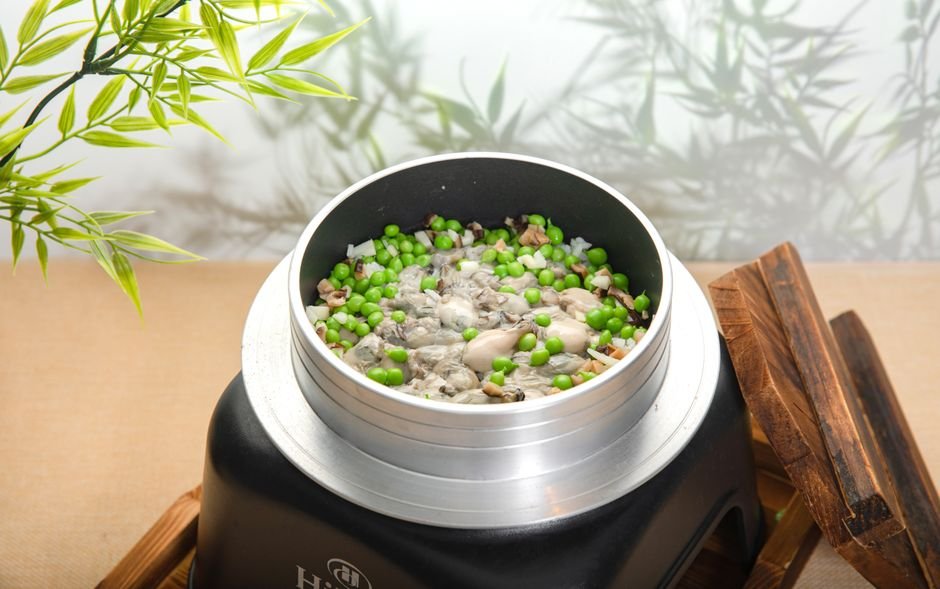
Some modern appliances combine both functions, allowing you to slow cook, steam, and cook rice all in one device. Multi-cookers and electric pressure cookers (like the Instant Pot) are perfect if you want versatility without cluttering your countertop.
Maintenance and Care for Your Cookers
Maintaining your kitchen appliances ensures they perform well over time. For a slow cooker, clean the ceramic insert with warm soapy water after each use. Avoid using abrasive scrubbers, as they can scratch the surface.
Rice cookers require less intensive care but still need attention. After cooking, remove leftover rice promptly to prevent sticking. Wipe down the interior and the heating plate to ensure there’s no residue left behind.
Periodically check the seals or gaskets on both devices. If worn or damaged, they can compromise performance. Investing in a new seal can extend the life of your appliance efficiently.
Who Each Option Suits Best
If you have a busy lifestyle and prefer to set it and forget it, a slow cooker is likely your best match. Ideal for stews, soups, and casseroles, it works well for anyone looking to prepare meals in advance with minimal fuss.
A rice cooker is perfect for individuals or families that love staple grains. If rice is a frequent part of your meals, a rice cooker efficiently delivers perfect results with minimal hassle.
Consider your cooking habits. If you frequently host gatherings, a slow cooker can handle larger portions, while a rice cooker might suit smaller, quick meals. Choose based on your typical meal prep.
Conclusion
Both slow cookers and rice cookers are excellent additions to any kitchen but they serve different needs. The slow cooker excels at creating rich, flavorful, slow-simmered meals, while the rice cooker is unbeatable for fast, fluffy rice and grains.




Leave a Reply