

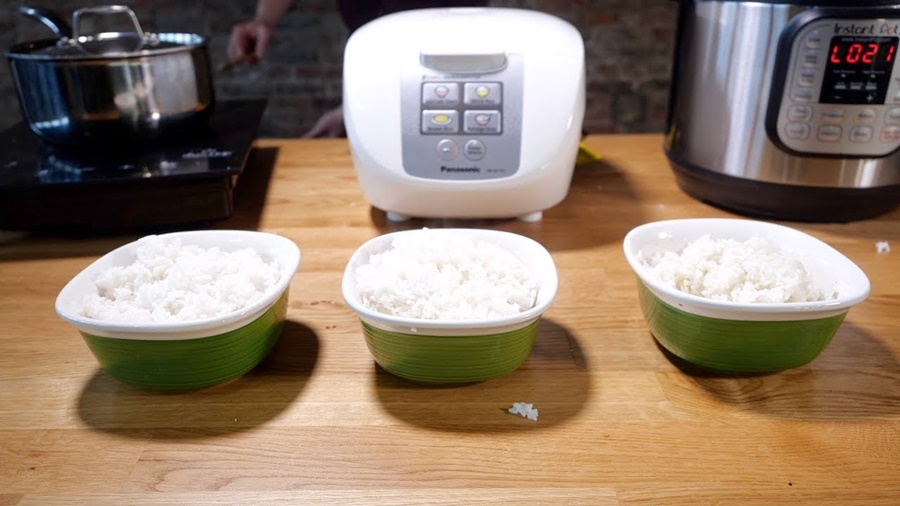
Among the most popular are the pressure cooker, Instant Pot, and rice cooker. In today’s busy world, kitchen appliances that save time and make cooking easier are worth their weight in gold. While these appliances may look similar and sometimes perform overlapping functions, each one serves a distinct purpose.
Understanding their differences can help you choose the right tool for your cooking style and needs.
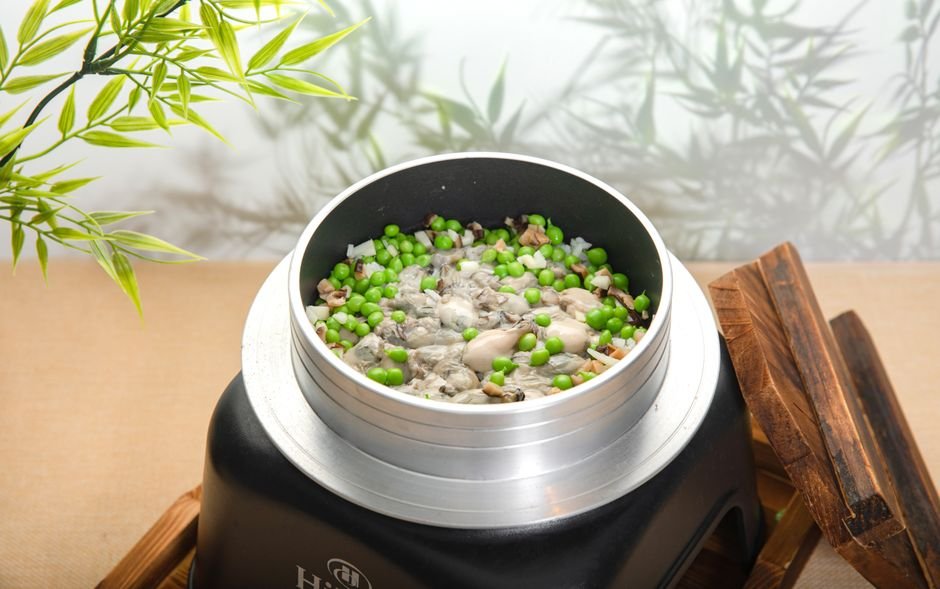
1. What Is a Pressure Cooker?
A pressure cooker is a sealed pot that cooks food quickly under high pressure. By trapping steam inside, it increases the internal temperature and significantly reduces cooking time.
How It Works
When heat is applied, the liquid inside turns into steam, which raises the pressure. This high-pressure environment forces moisture into food, making even tough cuts of meat tender in a fraction of the time.
Pros
- Fast cooking: Cuts cooking time by up to 70%.
- Great for meats and stews: Ideal for braised dishes, beans, soups, and curries.
- Energy-efficient: Uses less energy than traditional stovetop cooking.
Cons
- Learning curve: Can be intimidating for beginners.
- Limited automation: Requires manual monitoring and pressure release.
- Safety concerns: Older stovetop models can be dangerous if not used correctly (modern ones are safer).
Best For
Traditional cooks who want control and speed, especially for meats, beans, and hearty meals.
2. What Is an Instant Pot?
An Instant Pot is a modern, electric, multi-function pressure cooker that combines several kitchen appliances in one. It can pressure cook, slow cook, steam, sauté, and even make yogurt—all at the push of a button.
How It Works
The Instant Pot uses electric sensors to regulate pressure and temperature automatically. You simply select a preset program (like “Rice,” “Soup,” or “Meat/Stew”), and the appliance does the rest.
Pros
- Multi-purpose: Replaces multiple appliances (pressure cooker, slow cooker, rice cooker, and more).
- Automatic settings: No need to watch the pot—set it and forget it.
- Safe and user-friendly: Equipped with multiple safety features and sensors.
- Consistent results: Digital controls help prevent overcooking.
Cons
- Higher price: More expensive than single-purpose cookers.
- Takes time to build pressure: The total cooking process may take longer than it appears.
- Learning curve for settings: So many features can be confusing at first.
Best For
Busy home cooks and beginners who want a convenient, all-in-one appliance that simplifies meal prep.
3. What Is a Rice Cooker?
A rice cooker is a dedicated appliance designed primarily for cooking rice perfectly every time. It automatically controls temperature and timing, ensuring rice cooks evenly without burning or sticking.
How It Works
Once rice and water are added, the cooker heats the mixture until all the water is absorbed. It then switches to a “keep warm” mode automatically.
Pros
- Perfect rice every time: Reliable results with minimal effort.
- Easy to use: Just add rice and water, then press a button.
- Affordable: Usually cheaper than Instant Pots or pressure cookers.
- Compact: Takes up little counter space.
Cons
- Limited functionality: Mostly for rice, though some models can steam vegetables or make porridge.
- Not ideal for full meals: Lacks versatility compared to multi-cookers.
Best For
Those who mainly cook rice or grains and want consistent, hassle-free results.
4. Key Differences at a Glance
| Feature | Pressure Cooker | Instant Pot | Rice Cooker |
|---|---|---|---|
| Primary Function | Fast cooking with pressure | Multi-purpose electric cooker | Cooking rice perfectly |
| Power Source | Stovetop (manual) | Electric (automatic) | Electric (automatic) |
| Ease of Use | Moderate | Very easy | Extremely easy |
| Versatility | Moderate | Very high | Low |
| Safety Features | Basic (modern models safer) | Advanced (automatic locks, sensors) | Basic |
| Ideal For | Experienced cooks | Busy families & beginners | Rice and grains lovers |
| Price Range | $30–$100 | $80–$200 | $20–$80 |
5. Which One Should You Buy?
- Choose a Pressure Cooker if you prefer traditional cooking and want control over timing and pressure. It’s great for stews, meats, and soups.
- Choose an Instant Pot if you want a multi-functional appliance that handles everything from rice to yogurt with minimal supervision.
- Choose a Rice Cooker if you mainly cook rice, grains, or simple steamed dishes and want a budget-friendly, no-fuss option.
Common Mistakes to Avoid
One frequent error with pressure cookers is overfilling them. This limits steam buildup, which can prevent proper cooking. Always keep the liquid and food below the fill line. Another widespread issue involves not releasing pressure correctly. You should be cautious with the steam release valve; releasing it too quickly can cause splattering.
For Instant Pot users, forgetting to seal the valve is common. Always double-check that the valve is in the sealing position before starting. With rice cookers, many people underestimate the water-to-rice ratio. Following the manufacturer’s instructions helps prevent undercooked or burnt rice.
Maintenance Tips and Costs
Maintaining these appliances extends their lifespan. For pressure cookers, regularly check the gasket for wear and replace it if necessary. Instant Pots often require a little extra care. Clean the inner pot, lid, and sealing ring after each use to ensure longevity.
Rice cookers just need a simple wipe-down. Leave the inner pot to soak if rice residue sticks. As for costs, a basic pressure cooker can start around $30, whereas Instant Pots range from $70 to $150, depending on additional features. Rice cookers generally fall in the $20-$100 range.
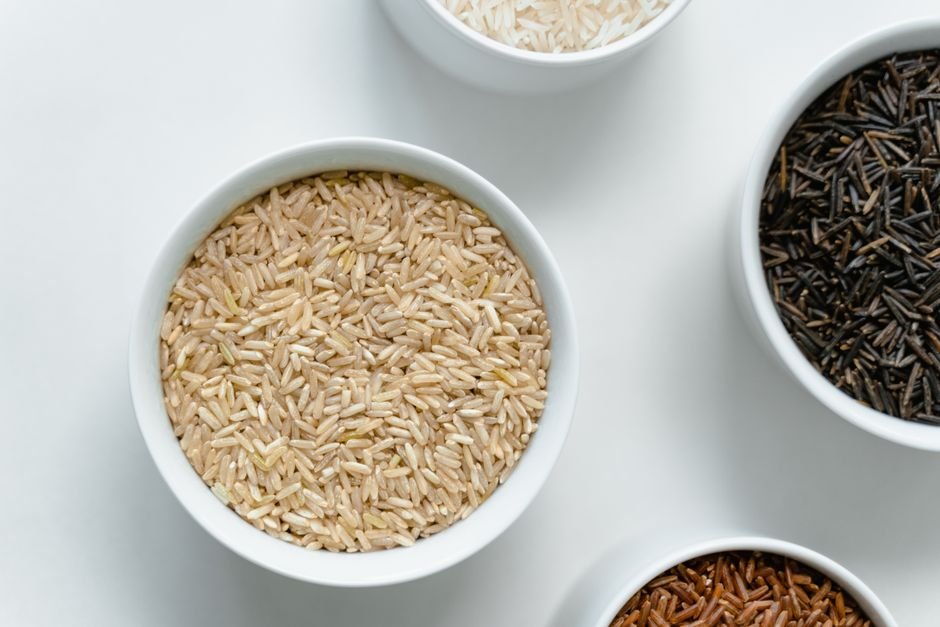
Who Each Option Suits Best
Pressure cookers are ideal for busy individuals who want quick meal preparation. They excel at cooking tough cuts of meat and legumes. If you enjoy cooking a variety of dishes and want versatility, an Instant Pot would suit you better. It combines multiple functions in one appliance, making it perfect for families.
Rice cookers shine for those who eat a lot of rice or grains. They produce consistently fluffy rice with minimal effort. Each option meets different culinary needs, so consider your cooking habits before choosing any one appliance.
Conclusion
All three appliances pressure cooker, Instant Pot, and rice cooker can make your life easier, but they cater to different cooking needs.
If you’re after speed and versatility, the Instant Pot is the clear winner.
If you prefer simplicity and affordability, the rice cooker is perfect.
And if you enjoy traditional cooking with control, a pressure cooker is still an unbeatable classic.
For more insights on the overall differences, check out Pressure Cooker vs Instant Pot vs Rice Cooker.





Leave a Reply