

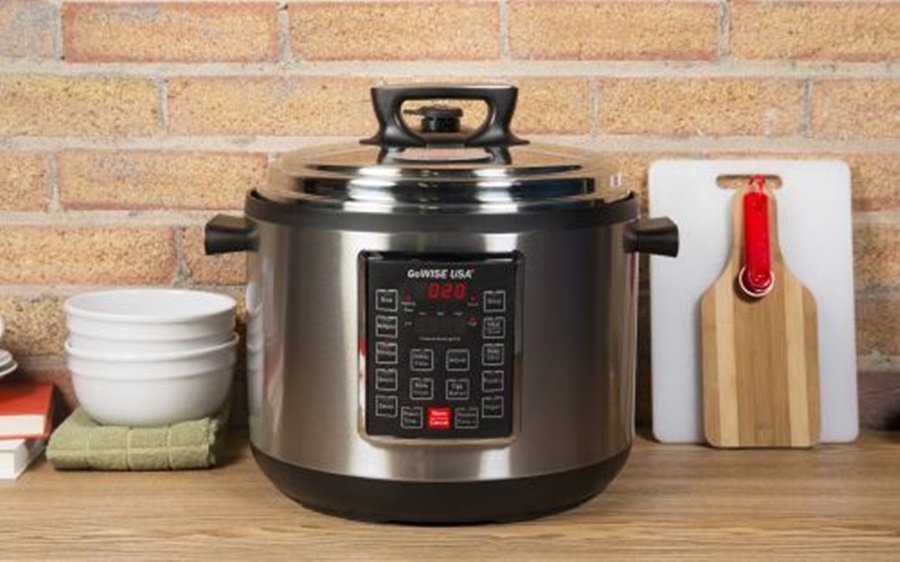
Two of the most popular are the pressure cooker and the crock pot, also known as a slow cooker. In today’s fast-paced world, modern kitchens are filled with appliances designed to make cooking easier, faster, and more efficient. Both devices can help home cooks prepare delicious, tender meals with minimal effort—but they operate in very different ways.
Understanding their key differences can help you decide which one best fits your lifestyle and cooking style.
How They Work
Pressure Cooker
A pressure cooker uses steam pressure to cook food quickly. When the lid is locked, steam builds up inside the sealed pot, raising the internal temperature above the boiling point of water (212°F or 100°C). This high pressure forces moisture into the food, dramatically reducing cooking time.
Modern electric pressure cookers, such as the popular Instant Pot, also come with programmable settings for rice, soup, yogurt, and more, offering convenience and versatility.
Crock Pot (Slow Cooker)
A crock pot, on the other hand, cooks food slowly over several hours using low, steady heat. The gentle cooking process allows flavors to develop deeply and meats to become tender. You simply add your ingredients in the morning, set the temperature (low or high), and let it cook throughout the day. By dinnertime, your meal is ready with minimal supervision.
Cooking Time and Convenience
- Pressure Cooker: Ideal for people who need to prepare meals quickly. Dishes like stews, beans, and rice that normally take hours can be ready in less than 30 minutes. It’s perfect for busy professionals or families who want homemade meals without spending much time in the kitchen.
- Crock Pot: Suited for those who prefer a “set it and forget it” approach. You can start cooking in the morning and come home to a fully cooked meal. It requires little monitoring, but the cooking process takes much longer—typically between 4 to 10 hours depending on the recipe.
Flavor and Texture
- Pressure Cooker: The quick cooking process locks in moisture and flavor, but it doesn’t always develop the deep, slow-simmered taste that a slow cooker provides. However, modern models allow for sautéing before pressure cooking, which helps build flavor.
- Crock Pot: The slow, consistent heat allows flavors to meld beautifully. It’s especially great for soups, stews, and braised meats, producing tender textures and rich, comforting flavors.
Energy Efficiency
- Pressure Cooker: Because it cooks so fast, a pressure cooker uses less electricity or gas overall. It’s an energy-efficient option for people who cook frequently or need quick meals.
- Crock Pot: Although it runs for hours, a crock pot uses low wattage, meaning it consumes about as much energy as a light bulb. Both appliances are relatively energy-efficient compared to an oven or stovetop.
Safety Considerations
- Modern Pressure Cookers: Early versions had a reputation for exploding if misused, but today’s electric models have multiple safety features, including locking lids, pressure release valves, and sensors. When used correctly, they are very safe.
- Crock Pots: These are generally low-risk. The slow and steady cooking process doesn’t involve high pressure, making them one of the safest kitchen appliances available.
Best Uses
| Pressure Cooker | Crock Pot (Slow Cooker) |
|---|---|
| Stews and soups ready in under an hour | Slow-cooked chili, pulled pork, and roasts |
| Cooking beans, rice, and grains quickly | Flavorful sauces and broths |
| Sterilizing jars or baby bottles | Keeping food warm for gatherings |
| Great for last-minute meals | Ideal for make-ahead dinners |
Cost and Maintenance
- Pressure Cookers are usually slightly more expensive, especially multi-function electric models. They require more attention when cleaning, particularly the sealing ring and lid components.
- Crock Pots tend to be more affordable and easier to maintain. The removable stoneware insert can often go straight into the dishwasher.
Which One Should You Choose?
Your choice ultimately depends on your lifestyle and cooking preferences:
- Choose a pressure cooker if you want speed, versatility, and energy efficiency. It’s perfect for people who want home-cooked meals on short notice.
- Choose a crock pot if you prefer hands-off, slow-cooked comfort meals that are ready when you get home. It’s ideal for those who enjoy meal planning and like deep, developed flavors.
Who Each Option Suits
If you have a busy lifestyle, a pressure cooker may be your best friend. It cooks meals quickly, allowing you to prepare a tasty dinner in under an hour. Ideal for weeknight meals, you can make soups, stews, or risottos almost instantaneously.
On the other hand, if you value convenience and are not in a rush, a crock pot fits well. It allows you to toss your ingredients together in the morning and come home to a warm, ready dinner. This suits families or those who prefer to cook less frequently.
We cover water pressure washer in more depth separately. If you’re curious about the intricacies of pressure cooker vs crock pot, you can find more information on converting slow cooker recipes for electric pressure cooking here.
Conclusion
Both the pressure cooker and crock pot make cooking easier and more enjoyable, each serving a unique purpose in the kitchen. For maximum flexibility, many modern cooks own both using the crock pot for hearty weekend meals and the pressure cooker for busy weeknights.
No matter which you choose, these appliances can help you eat better, save time, and bring more home-cooked meals to the table.
Leave a Reply