

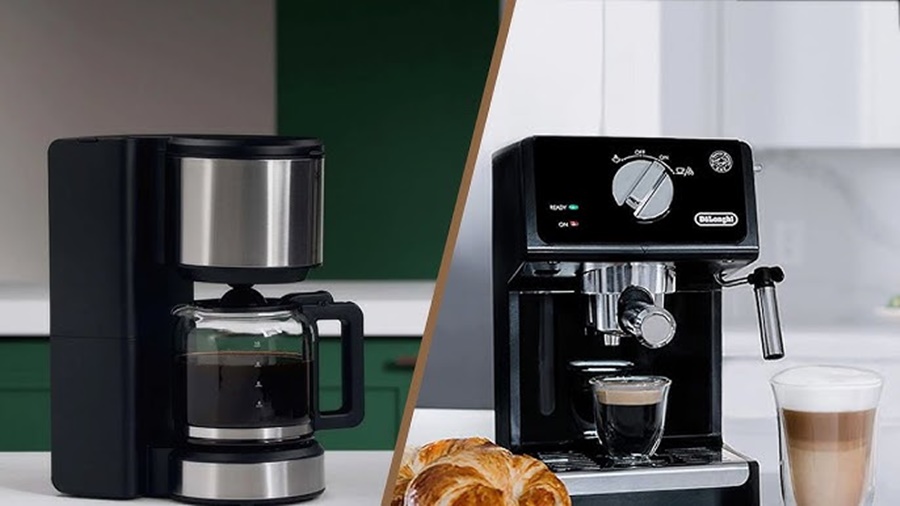
For many people, coffee is more than a beverage it’s a daily ritual. But when it comes to making that perfect cup at home or in the office, the terminology can get confusing. Should you buy a coffee machine or a coffee maker? Although these terms are sometimes used interchangeably, they refer to different categories of brewing devices with distinct functions, features, and results.
This guide breaks down the differences, advantages, disadvantages, and which option may suit your needs.
What Is a Coffee Maker?
A coffee maker is typically a manual or semi-automatic device that uses simple mechanisms to brew coffee. It usually involves adding water, coffee grounds, and sometimes filters, then allowing the machine to heat and drip the water through the grounds.
Common Types of Coffee Makers
- Drip coffee makers
- Pour-over brewers
- French press
- AeroPress
- Cold brew makers
- Percolators
- Moka pots
What Is a Coffee Machine?
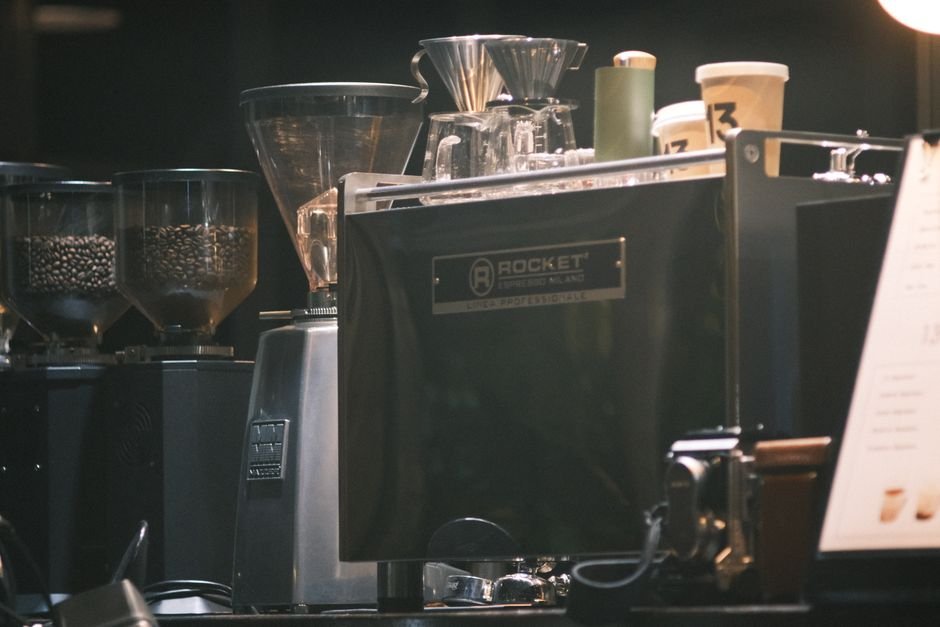
A coffee machine typically refers to a more advanced, automated device that handles multiple parts of the brewing process—from grinding beans to extracting espresso at high pressure. These machines are more technologically complex and offer precision control for premium coffee results.
Common Types of Coffee Machines
- Espresso machines (manual, semi-automatic, automatic)
- Fully automatic coffee machines
- Capsule/pod machines
- Super-automatic espresso machines (with built-in grinders)
- Commercial coffee machines
Key Characteristics
- Automation of grinding, brewing, and sometimes milk frothing
- High pressure extraction (for espresso)
- Higher cost
- More consistent results
- Versatile drink options (espresso, cappuccino, latte, etc.)
Differences at a Glance
| Feature | Coffee Maker | Coffee Machine |
|---|---|---|
| Complexity | Simple | Advanced |
| Automation | Low to moderate | High |
| Brewing Method | Drip, immersion, pour-over | Pressure-based espresso, automated brewing |
| Cost | Low to medium | Medium to high |
| Maintenance | Easy | Moderate to complex |
| Drink Variety | Limited | Wide range (espresso-based drinks) |
| Skill Required | Minimal | Varies (machine-dependent) |
Pros and Cons
Coffee Maker: Pros
- Affordable
- Easy to use
- Low maintenance
- Makes large quantities easily (e.g., drip machines)
- Ideal for simple, smooth coffee
Coffee Maker: Cons
- Not suitable for espresso lovers
- Less customization
- Lacks advanced features
- Longer brew time (in many cases)
Coffee Machine: Pros
- Produces espresso and specialty drinks
- High level of automation
- Consistent quality
- Fast brewing
- Ideal for coffee enthusiasts
Coffee Machine: Cons
- Expensive
- Requires more maintenance (descaling, cleaning milk systems)
- Bulky in size
- May have a learning curve
Which One Should You Buy?
Your ideal choice depends on your coffee preferences, lifestyle, and budget.
Choose a Coffee Maker if you:
- Prefer simple, drip-style or classic brewed coffee
- Want a budget-friendly option
- Need to brew large pots for families or offices
- Want easy cleanup and minimal maintenance
Choose a Coffee Machine if you:
- Love espresso-based drinks (espresso, cappuccino, latte)
- Want consistent, café-quality beverages
- Prefer automation and convenience
- Don’t mind paying more for advanced features
- Enjoy customizing your coffee
Maintenance Tips for Longevity
Keeping your coffee maker or machine clean is crucial. For coffee makers, regularly clean the brew basket and carafe. A simple vinegar and water solution can eliminate buildup. Run this mixture through three cycles occasionally to maintain optimal flavor.
Coffee machines need more attention. Change water filters as recommended, and descale every few months to prevent mineral deposits. Check for blocked coffee paths and clean the grounds container often for best performance. For further insights on coffee makers, you can visit coffee makers.
- Use filtered water for better taste and fewer minerals.
- Clean all removable parts after each use.
- Store coffee in a cool, dark place to preserve freshness.
Who Benefits from Each Option?
If you are a casual coffee drinker who enjoys a simple cup, a coffee maker is likely your best fit. Their ease of use and lower cost make them ideal for most households.
Conversely, if you appreciate specialty coffee drinks like lattes or espressos, a coffee machine is more suitable. They allow you to experiment with different styles, giving you barista-like capabilities at home.
Be honest about your coffee habits. Consider how often you brew, the types of drinks you prefer, and how much you’re willing to invest, both initially and over time.
Practical How-To: Brewing the Perfect Cup
To brew an exceptional cup of coffee with a coffee maker, start with quality coffee beans. Choose a medium grind for optimal extraction. Measure your water carefully; a standard ratio is two tablespoons of coffee per six ounces of water. Program your machine to brew at around 200°F for the best flavor. Clean the machine regularly to prevent buildup.
For coffee machines, the process usually involves a bit more manual effort. Begin by ensuring the water temperature is precisely set. Pre-heat the machine if required. Use fresh, filtered water and medium-to-fine coffee grounds for espresso machines or higher-end models. Pay attention to the extraction time; generally, this should be around 25-30 seconds for espresso.
Common Mistakes to Avoid
Many coffee lovers make errors that lead to subpar brews. One common mistake with coffee makers is using stale coffee. Always store your beans in an airtight container and grind them just before use.
- Neglecting to clean the machine can affect the flavor.
- Using the wrong coffee-to-water ratio can result in bitterness or weakness.
With coffee machines, users often overlook the importance of tamping the grounds properly. An uneven tamp can lead to channeling, where water flows unevenly through the coffee. Another frequent mistake is overcrowding the basket, which restricts water flow and diminishes flavor.
Conclusion
While the terms “coffee machine” and “coffee maker” may sound similar, they serve different purposes. A coffee maker is ideal for traditional brewed coffee with simplicity and affordability. A coffee machine, on the other hand, offers modern automation and the ability to craft barista-level espresso drinks.
Understanding these differences will help you choose the best device to match your taste preferences, brewing style, and budget.



Leave a Reply