

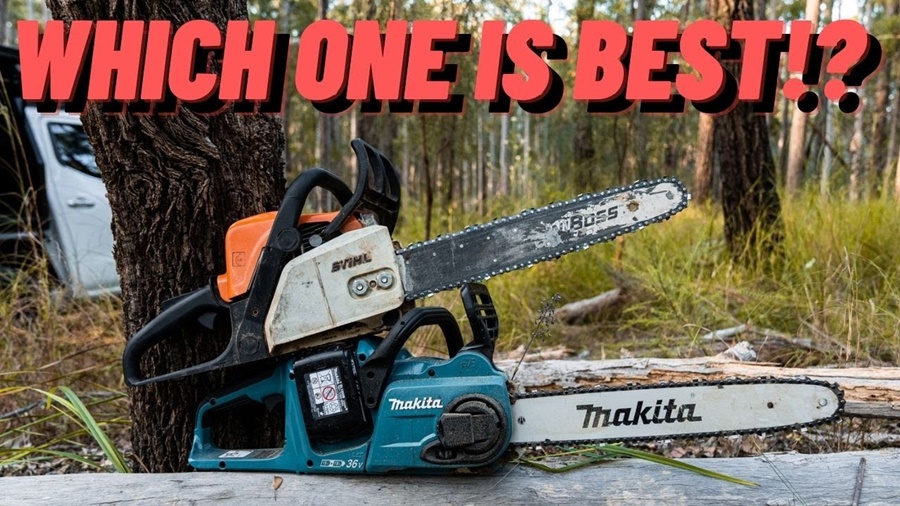
Choosing the right chainsaw depends on how, where, and how often you plan to use it. The two most common types electric chainsaws and petrol (gas-powered) chainsaws each have clear advantages and disadvantages. This article provides a detailed comparison to help you decide which one best suits your needs.
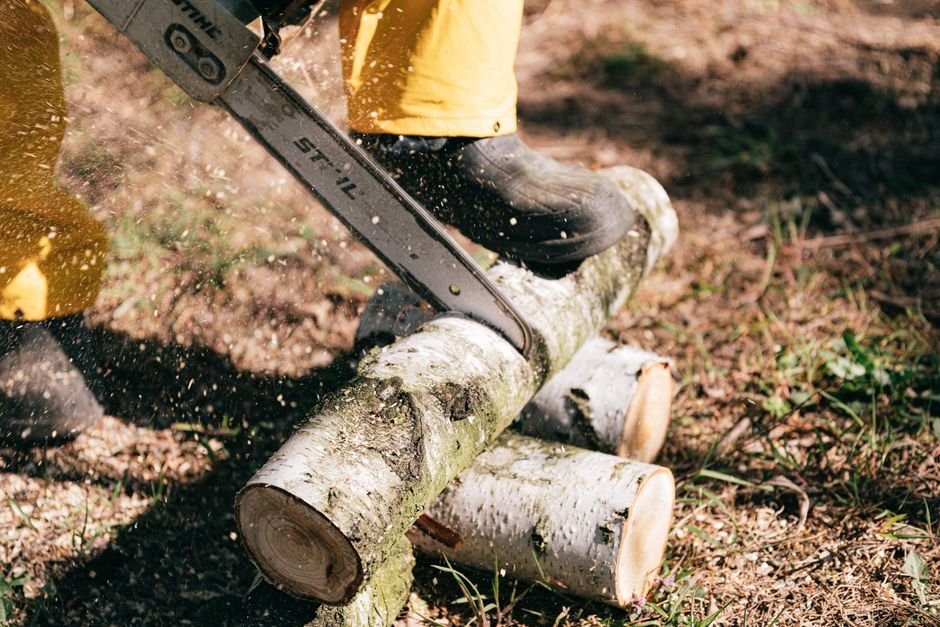
Overview of Electric Chainsaws
Electric chainsaws are powered by electricity, either through a corded connection or a rechargeable battery. They are commonly used for light to medium tasks around homes and gardens.
Types of Electric Chainsaws
- Corded electric chainsaws: Require a power outlet
- Battery-powered chainsaws: Use rechargeable lithium-ion batteries
Overview of Petrol Chainsaws
Petrol chainsaws use a gasoline engine (usually a two-stroke engine). They are designed for heavy-duty work and are widely used by professionals such as loggers, arborists, and forestry workers.
Power and Performance
Electric Chainsaw
- Best for light to moderate cutting
- Suitable for trimming branches, pruning, and cutting small logs
- Less torque compared to petrol models
Petrol Chainsaw
- Provides high power and torque
- Can handle thick trees and hard wood
- Ideal for continuous, demanding work
Winner: Petrol chainsaw for heavy-duty performance
Portability and Convenience
Electric Chainsaw
- Corded models are limited by cable length
- Battery models are portable but limited by battery life
- Easy to start with the push of a button
Petrol Chainsaw
- Fully portable; no cables or charging needed
- Can be used anywhere, including remote areas
- Requires manual starting (pull cord)
Winner: Petrol chainsaw for remote and long-duration use
Ease of Use
Electric Chainsaw
- Lightweight and easy to handle
- Minimal vibration
- Very beginner-friendly
Petrol Chainsaw
- Heavier and more complex
- Strong vibration and engine noise
- Requires experience to operate safely
Winner: Electric chainsaw for beginners
Maintenance Requirements
Electric Chainsaw
- Low maintenance
- No fuel mixing
- Fewer moving parts
Petrol Chainsaw
- Requires regular maintenance
- Fuel mixing, spark plug checks, air filter cleaning
- Engine servicing needed over time
Winner: Electric chainsaw for low maintenance
Noise and Environmental Impact
Electric Chainsaw
- Much quieter
- No exhaust emissions
- Environmentally friendly, especially battery models
Petrol Chainsaw
- Very noisy
- Produces exhaust fumes
- Higher environmental impact
Winner: Electric chainsaw for noise and eco-friendliness
Safety Considerations
Electric Chainsaw
- Lower kickback force
- Faster chain brake response
- Reduced risk for beginners
Petrol Chainsaw
- More powerful kickback
- Requires strict safety precautions
- Better suited for trained users
Winner: Electric chainsaw for safety
Cost Comparison
Electric Chainsaw
- Lower initial cost
- Lower operating cost (electricity vs fuel)
- Battery replacement can add long-term cost
Petrol Chainsaw
- Higher purchase price
- Ongoing fuel and maintenance expenses
- Longer lifespan with proper care
Winner: Electric chainsaw for budget users
Best Use Cases
Choose an Electric Chainsaw If:
- You are a homeowner or beginner
- You need it for light yard work
- You prefer low noise and low maintenance
- You work close to a power source
Choose a Petrol Chainsaw If:
- You need high power for large trees
- You work in remote areas
- You are a professional or frequent user
- You need long, uninterrupted operation

Common Mistakes When Using Chainsaws
Many users make errors that can lead to ineffective cutting or accidents. One common mistake is improper maintenance, such as neglecting to sharpen the chain. A dull chain requires more effort and can cause kickback.
Another frequent issue is using the wrong fuel blend for petrol chainsaws. An improper mix can affect performance or damage the engine.
For electric models, failing to check the power supply and extension cord can lead to sudden interruptions during use. Always ensure cords are rated for outdoor use and are in good condition.
Our write-up on pressure washer picks up where this leaves off.
Who Each Option Suits
Electric chainsaws are excellent for homeowners with light to moderate cutting needs. If you prune trees, trim hedges, or perform small projects, an electric model suits you well.
Conversely, petrol chainsaws fit those needing power and versatility for larger jobs. If you’re a professional landscaper or regularly engage in heavy-duty tasks such as felling trees, a petrol option becomes essential.
Your choice should reflect not just the tasks at hand, but also your comfort and skill level. Consider how often you’ll use the tool and your preference for maintenance and operational quirks.
Conclusion
In conclusion, both electric and petrol chainsaws serve different purposes and excel in different situations. Electric chainsaws are best suited for homeowners, beginners, and light to medium tasks due to their ease of use, low maintenance, quieter operation, and environmentally friendly design. They are ideal for occasional cutting, pruning, and yard work where convenience and safety are priorities.
On the other hand, petrol chainsaws are designed for heavy-duty and professional use. Their superior power, portability, and ability to operate for long periods make them the preferred choice for cutting large trees, working with hard wood, and operating in remote locations without access to electricity. However, they require more maintenance, produce more noise, and demand greater user experience.
Additionally, safety considerations should be kept in mind when operating any chainsaw.





Leave a Reply