

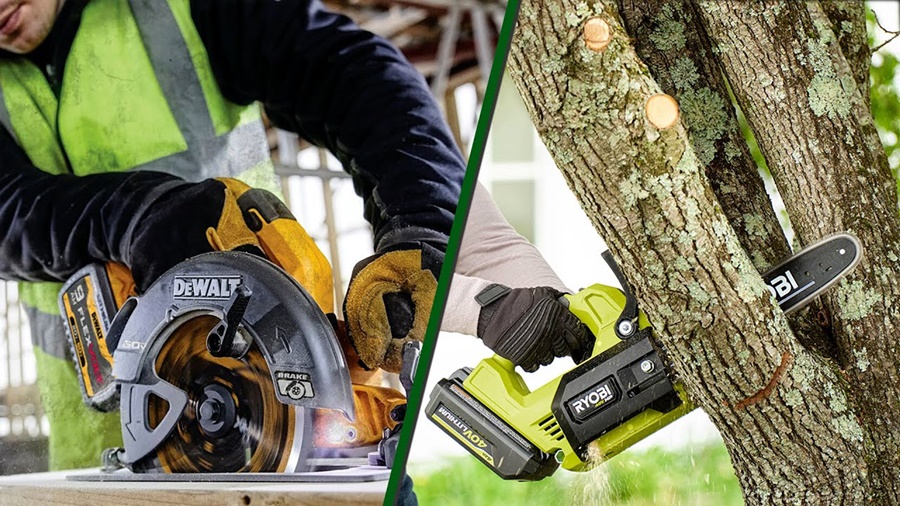
- A chainsaw for rough outdoor cutting
- A circular saw for precise woodworking tasks
They are not competitors so much as complements.
Who Each Option Suits
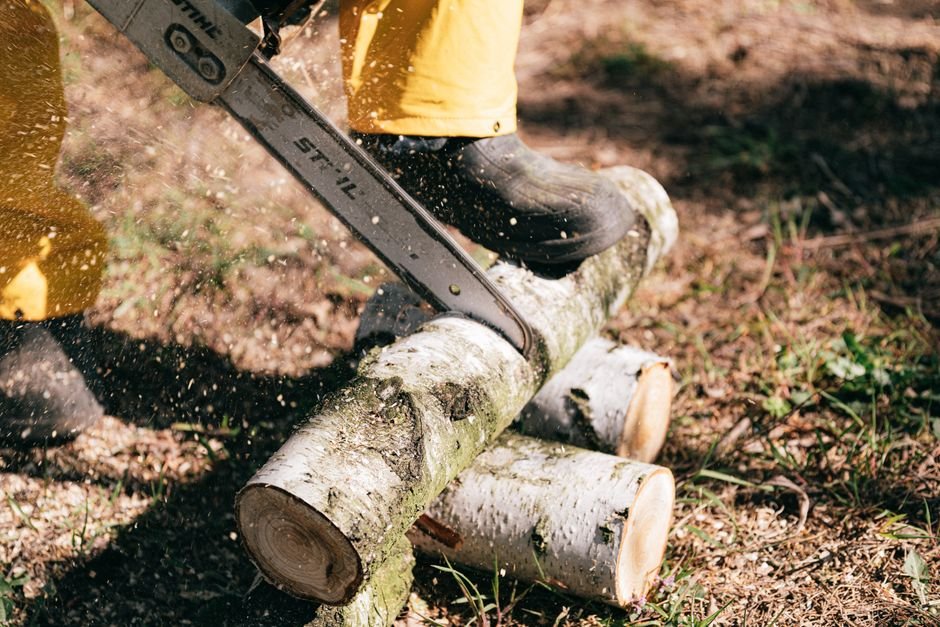
A chainsaw is ideal for professionals like arborists or landscapers who often tackle large foliage. If you’re someone who needs to cut firewood or undertake landscaping projects, it’s a suitable choice. However, it can be overkill for smaller tasks.
A circular saw, on the other hand, works well for carpenters or DIY hobbyists who primarily cut sheet goods or framing materials. It excels when precision is key. Choose this tool for smaller, finished woodworking projects where clean cuts matter.
There is more on corded electric elsewhere on the site.
Conclusion
The choice between a chainsaw and a circular saw depends entirely on the type of wood cutting you plan to do.
- A chainsaw is unmatched for power, mobility, and heavy-duty outdoor cutting.
- A circular saw excels in precision, control, and clean results for woodworking and construction.
Understanding the differences ensures you select the right tool for the job improving efficiency, safety, and the quality of your results. For further insight on one of the tools, consult the circular saw details.
Among the most commonly discussed tools for this purpose are the chainsaw and the circular saw. Wood cutting is a fundamental task in construction, carpentry, landscaping, and DIY projects. While both are designed to cut wood, they serve very different purposes and excel in different situations.
This article provides a clear, detailed comparison of chainsaws and circular saws, helping you understand their strengths, limitations, and ideal use cases.
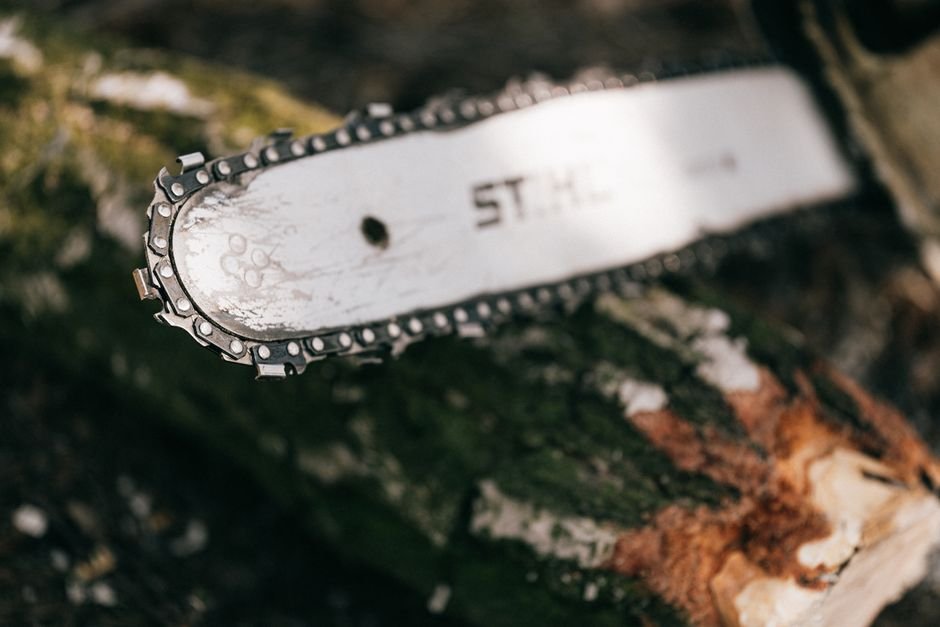
What Is a Chainsaw?
A chainsaw is a powerful cutting tool that uses a rotating chain with sharp teeth, driven around a metal guide bar. It is typically powered by gasoline, electricity, or a battery.
Key Characteristics
- Designed for rough, heavy-duty cutting
- Commonly used outdoors
- Cuts through thick wood quickly
- Portable and not dependent on a flat surface
Common Uses
- Cutting down trees
- Trimming branches
- Cutting firewood
- Clearing storm-damaged wood
What Is a Circular Saw?
A circular saw uses a flat, round blade that spins at high speed to make straight, precise cuts. It is widely used in woodworking and construction projects.
Key Characteristics
- Designed for accuracy and control
- Used mainly on processed lumber
- Works best on flat surfaces
- Available in corded and cordless versions
Common Uses
- Cutting plywood and boards
- Framing and construction work
- Furniture making
- Home improvement projects
Cutting Performance Comparison
Chainsaw Performance
- Excellent for cutting thick, irregular, or wet wood
- Can cut in any direction
- Fast but less precise
- Leaves a rough finish
Circular Saw Performance
- Best for straight, clean cuts
- Ideal for measured and repeated cuts
- Slower on very thick wood
- Produces smooth, professional-looking edges
Winner for precision: Circular saw
Winner for raw cutting power: Chainsaw
Accuracy and Control
Accuracy is a major difference between these tools.
- Chainsaws are difficult to control for detailed work and are not designed for fine measurements.
- Circular saws allow for guided cuts using straight edges or fences, making them far more accurate.
If your project requires clean lines and exact dimensions, a circular saw is the better choice.
Portability and Work Environment
Chainsaw
- Highly portable
- Works well in forests, yards, and remote locations
- No workbench required
Circular Saw
- Requires a stable surface
- Best suited for workshops or construction sites
- Less effective outdoors on uneven terrain
Safety Considerations (High-Level Overview)
Both tools are powerful and must be handled responsibly.
- Chainsaws carry higher risk due to exposed moving chains and kickback potential.
- Circular saws are generally easier to control but still require attention and care.
Because these tools are inherently dangerous, they should only be used with proper supervision, training, and protective equipment.
Maintenance and Upkeep
Chainsaw Maintenance
- Chain sharpening
- Chain tension adjustments
- Fuel or battery care
- Regular cleaning
Circular Saw Maintenance
- Blade replacement
- Occasional cleaning
- Minimal mechanical upkeep
Circular saws generally require less maintenance than chainsaws.
Cost Comparison
- Chainsaws: Typically more expensive, especially gas-powered models
- Circular saws: More affordable and widely available
Additionally, chainsaws often involve ongoing costs such as fuel, oil, and replacement chains.
When to Choose a Chainsaw
Choose a chainsaw if you need to:
- Cut trees or large logs
- Work outdoors without a flat surface
- Handle thick or uneven wood
- Complete landscaping or forestry tasks
When to Choose a Circular Saw
Choose a circular saw if you need to:
- Make straight, accurate cuts
- Work with boards or sheets
- Build furniture or structures
- Perform indoor or workshop projects
Can You Use Both?
Yes. Many professionals and serious DIYers own both tools, using:
- A chainsaw for rough outdoor cutting
- A circular saw for precise woodworking tasks
They are not competitors so much as complements.
Who Each Option Suits
A chainsaw is ideal for professionals like arborists or landscapers who often tackle large foliage. If you’re someone who needs to cut firewood or undertake landscaping projects, it’s a suitable choice. However, it can be overkill for smaller tasks.
A circular saw, on the other hand, works well for carpenters or DIY hobbyists who primarily cut sheet goods or framing materials. It excels when precision is key. Choose this tool for smaller, finished woodworking projects where clean cuts matter.
There is more on corded electric elsewhere on the site.
Conclusion
The choice between a chainsaw and a circular saw depends entirely on the type of wood cutting you plan to do.
- A chainsaw is unmatched for power, mobility, and heavy-duty outdoor cutting.
- A circular saw excels in precision, control, and clean results for woodworking and construction.
Understanding the differences ensures you select the right tool for the job improving efficiency, safety, and the quality of your results. For further insight on one of the tools, consult the circular saw details.





Leave a Reply