

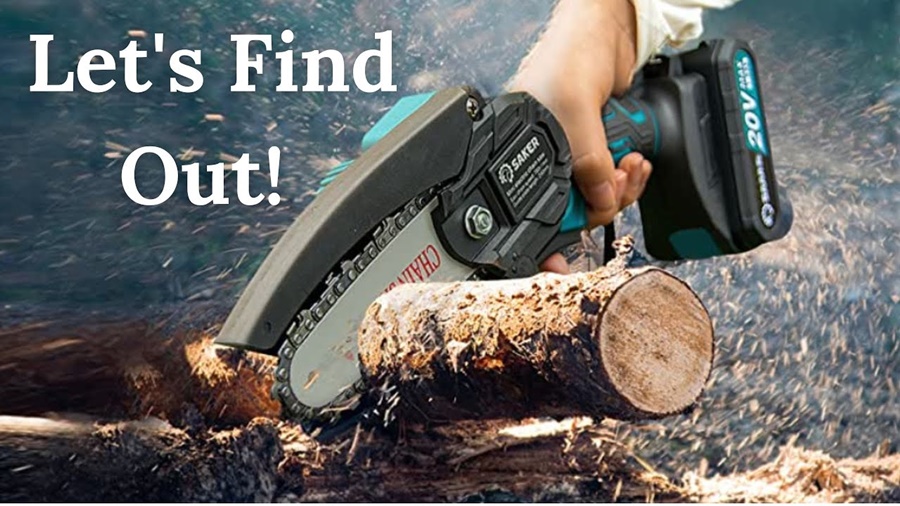
One of the most common comparisons is mini chainsaw vs full-size chainsaw. Chainsaws are powerful tools designed to make cutting wood faster and easier, but not all chainsaws are built the same. Each has its own strengths, weaknesses, and ideal use cases. This article provides a clear, in-depth comparison to help you understand which option is better for different needs.
What Is a Mini Chainsaw?
A mini chainsaw is a compact, lightweight version of a traditional chainsaw. It typically has a shorter guide bar (often 4–8 inches) and is commonly powered by a rechargeable battery.
Mini chainsaws are designed for light-duty tasks and are popular among homeowners, gardeners, and DIY users who want a simple and portable cutting tool.
What Is a Full-Size Chainsaw?
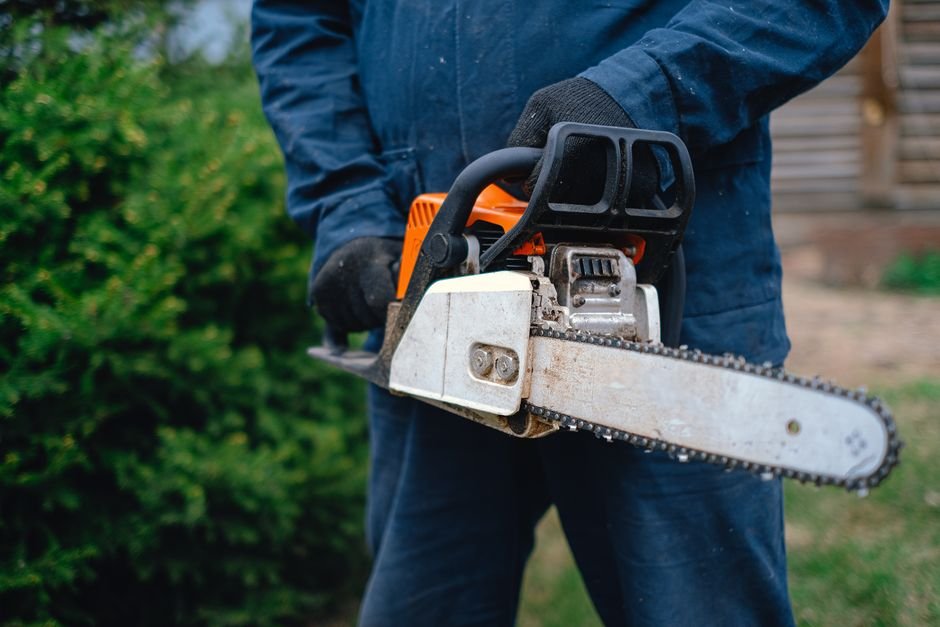
A full-size chainsaw is a heavy-duty cutting tool with a longer guide bar (usually 14–24 inches or more). These chainsaws can be powered by gas engines, corded electricity, or high-capacity batteries.
They are built for demanding tasks such as cutting large logs, felling trees, and handling frequent or professional-level workloads.
Size and Portability
Mini Chainsaw
- Very compact and lightweight
- Easy to carry and store
- Can often be used with one hand
- Ideal for users who want minimal strain
Full-Size Chainsaw
- Larger and heavier
- Requires more storage space
- Typically requires two-handed operation
- Better suited for experienced users
Winner: Mini chainsaw for portability and ease of handling.
Cutting Power and Performance
Mini Chainsaw
- Designed for small branches and light wood
- Limited cutting depth due to short bar length
- Not suitable for thick trunks or hardwood logs
Full-Size Chainsaw
- Much higher cutting power
- Can handle thick logs and dense wood
- Built for long, continuous cutting sessions
Winner: Full-size chainsaw for power and performance.
Typical Use Cases
Best Uses for a Mini Chainsaw
- Pruning branches
- Trimming small trees or shrubs
- DIY projects
- Light yard maintenance
Best Uses for a Full-Size Chainsaw
- Cutting firewood
- Tree removal
- Storm cleanup
- Professional forestry or landscaping
Ease of Use
Mini Chainsaw
- Simple design
- Lower learning curve
- Less physical effort required
- Good option for beginners
Full-Size Chainsaw
- More complex controls
- Requires strength and experience
- Greater responsibility due to power
Winner: Mini chainsaw for beginners and casual users.
Maintenance Requirements
Mini Chainsaw
- Minimal maintenance
- No fuel mixing (battery-powered models)
- Easier chain replacement
Full-Size Chainsaw
- Regular maintenance needed
- Gas models require fuel and engine care
- More parts to monitor
Winner: Mini chainsaw for low maintenance.
Cost Comparison
Mini Chainsaw
- Generally more affordable
- Lower operating costs
- Fewer replacement parts
Full-Size Chainsaw
- Higher upfront cost
- Ongoing expenses (fuel, maintenance, parts)
- Long-term investment for heavy use
Durability and Lifespan
Mini Chainsaw
- Built for occasional use
- May wear faster under heavy workloads
Full-Size Chainsaw
- Designed for frequent and demanding use
- Longer lifespan when properly maintained
Winner: Full-size chainsaw for durability.
Safety Considerations
Both mini and full-size chainsaws are powerful cutting tools and must be handled responsibly. Full-size chainsaws carry higher risk due to their size and power, while mini chainsaws, although smaller, still require caution and respect.
Common Mistakes When Using Chainsaws
One frequent mistake users make is neglecting to read the manual. Each chainsaw, whether mini or full-size, has specific instructions. Familiarizing yourself with the controls and safety features prevents accidents.
Another common issue is overlooking maintenance. Failing to lubricate the chains or replace worn chain components can diminish performance. For both chainsaw types, proper upkeep prolongs their lifespan.
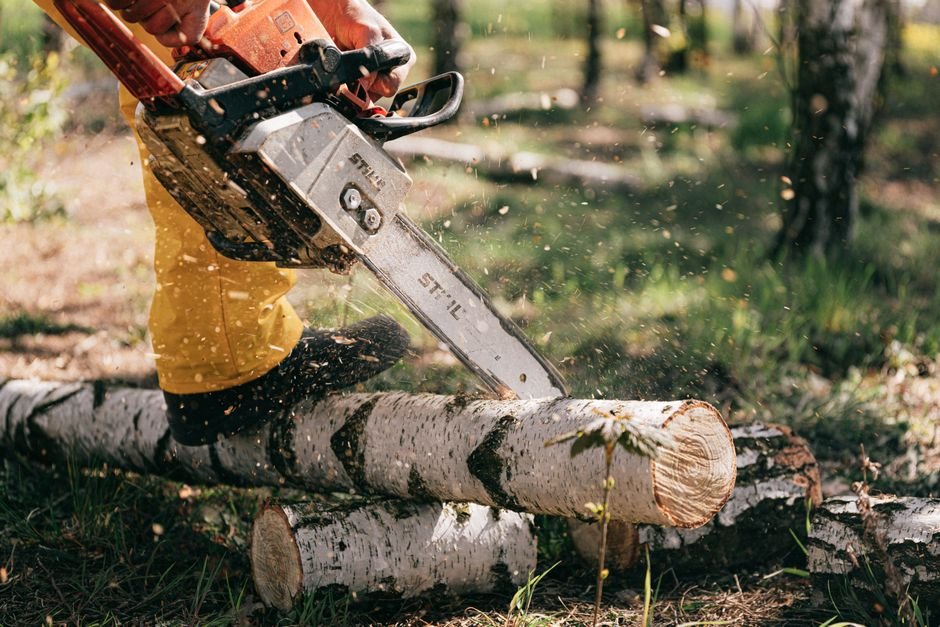
Lastly, many underestimate the importance of wearing protective gear. Even a mini chainsaw can cause injuries. Always use gloves, goggles, and chaps to safeguard against flying debris or accidental contact.
See also our take on electric chainsaw vs gas.
Who Each Option Suits Best
Mini chainsaws are ideal for casual users, such as gardeners and homeowners. If you often prune trees or maintain small landscapes, a mini chainsaw will meet your needs. Their lightweight nature allows for easy handling and maneuvering in tight spaces.
In contrast, full-size chainsaws suit professionals or serious hobbyists. They work best for heavy-duty tasks like logging or large-scale tree removal. If you frequently cut thick wood or manage larger properties, this option will provide the power and durability you require.
Pros and Cons Summary
Mini Chainsaw Pros
- Lightweight and portable
- Easy to use
- Affordable
- Low maintenance
Mini Chainsaw Cons
- Limited power
- Not suitable for large jobs
Full-Size Chainsaw Pros
- High cutting power
- Versatile for large tasks
- Professional-grade performance
Full-Size Chainsaw Cons
- Heavy and bulky
- Higher cost
- More maintenance required
Which One Should You Choose?
Choose a mini chainsaw if you:
- Only need light cutting power
- Want a simple, portable tool
- Are a homeowner or casual user
Choose a full-size chainsaw if you:
- Regularly handle large wood-cutting tasks
- Need maximum power and performance
- Are experienced or working professionally
Conclusion
The choice between a mini chainsaw and a full-size chainsaw depends entirely on your needs. Mini chainsaws are perfect for light work, convenience, and ease of use, while full-size chainsaws are built for strength, durability, and demanding jobs. Understanding the differences ensures you select the right tool for your tasks and get the best results.
For more detailed cutting specifications, you can refer to the Chainsaw Firewood Length Guide.





Leave a Reply