

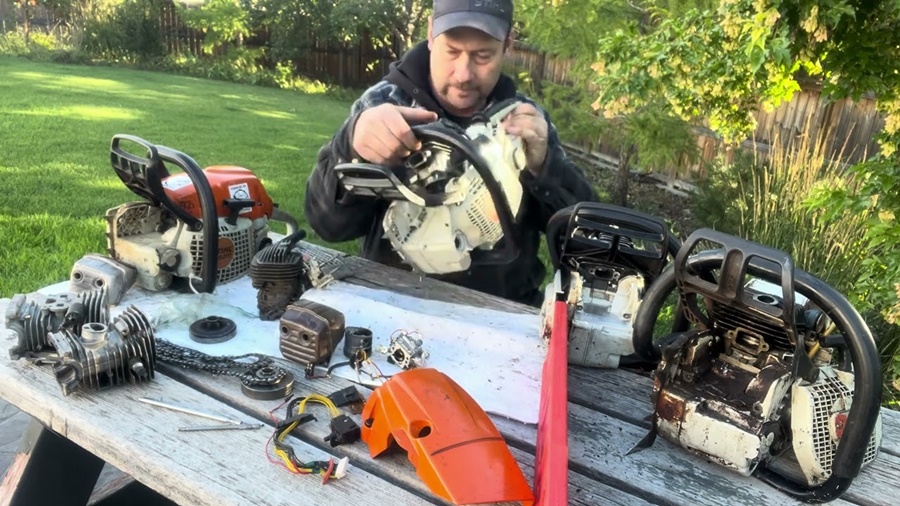
Chainsaws are powerful tools designed for cutting wood, but not all chainsaws are built for the same kind of work. The two most common categories are professional chainsaws and homeowner (or consumer) chainsaws. While they may look similar at first glance, they differ greatly in performance, durability, cost, and intended use.
This article explains the key differences to help you understand which type suits different needs.
Purpose and Intended Use
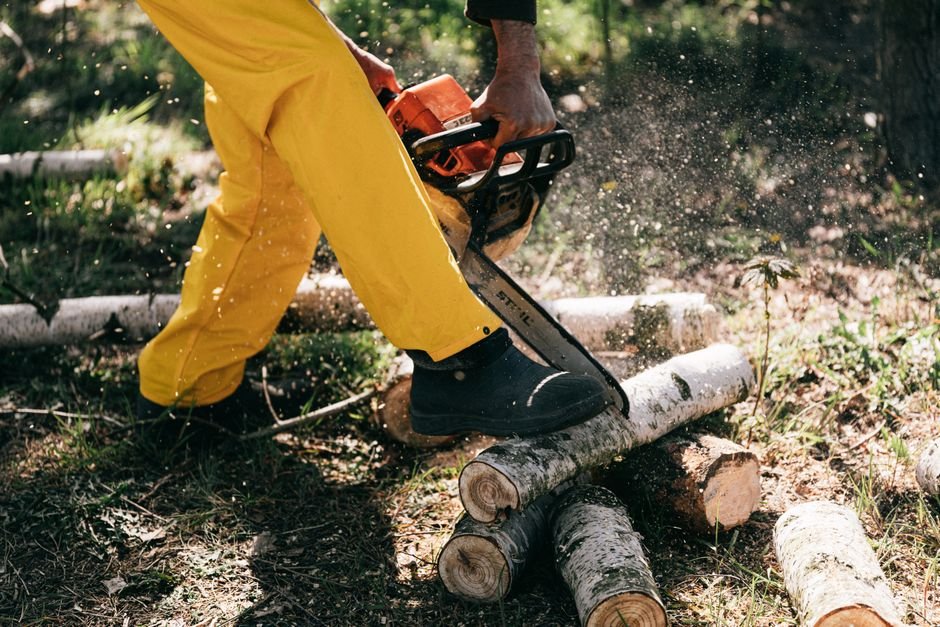
Professional Chainsaws
Professional chainsaws are designed for heavy duty, daily use. They are commonly used by:
- Forestry workers
- Arborists
- Loggers
- Tree service professionals
These machines are built to handle long hours of operation, large trees, and demanding environments without overheating or wearing out quickly.
Homeowner Chainsaws
Homeowner chainsaws are intended for occasional, light-duty tasks, such as:
- Cutting firewood
- Trimming small trees
- Cleaning up storm damage
They are ideal for people who only need a chainsaw a few times a year.
Engine Power and Performance
Professional Chainsaws
- Higher engine displacement (measured in cc)
- Greater cutting speed and torque
- Can handle thick hardwood and large trunks
- Designed to maintain consistent performance under continuous load
Professional models prioritize power and efficiency, making tough jobs faster and more reliable.
Homeowner Chainsaws
- Lower engine displacement
- Suitable for small to medium branches and logs
- Performance may decrease with extended use
These chainsaws are powerful enough for basic tasks but not meant for sustained heavy cutting.
Build Quality and Durability
Professional Chainsaws
- Constructed with metal components, such as magnesium crankcases
- Stronger internal parts for long service life
- Designed to be repaired rather than replaced
These chainsaws are built to withstand rough handling and frequent use.
Homeowner Chainsaws
- More plastic components to reduce cost and weight
- Shorter expected lifespan
- Often replaced instead of repaired
They are durable enough for occasional use but not for professional workloads.
Weight and Ergonomics
Professional Chainsaws
- Often heavier due to stronger materials
- Balanced design for better control during long sessions
- Advanced vibration-reduction systems
Although heavier, professionals benefit from improved balance and reduced fatigue over time.
Homeowner Chainsaws
- Lighter and easier to handle
- Simpler design
- Less advanced vibration control
This makes them more comfortable for beginners or short tasks.
Maintenance and Serviceability
Professional Chainsaws
- Designed for easy maintenance
- Parts are widely available
- Can be serviced and rebuilt multiple times
This is important for professionals who rely on their tools for daily work.
Homeowner Chainsaws
- Minimal maintenance design
- Limited availability of replacement parts
- Not intended for long-term servicing
They are meant to be simple and convenient rather than fully serviceable.
Features and Technology
Professional Chainsaws
- Adjustable oilers
- High-performance air filtration systems
- Advanced engine technology for efficiency and durability
These features help maximize performance during demanding jobs.
Homeowner Chainsaws
- Automatic oiling
- Tool-less chain tensioning (on many models)
- Simpler controls
Ease of use is prioritized over advanced customization.
Cost and Value
Professional Chainsaws
- Significantly more expensive
- Higher upfront cost
- Long-term value for frequent users
The price reflects their power, durability, and repairability.
Homeowner Chainsaws
- More affordable
- Lower initial investment
- Best value for occasional use
For most homeowners, the lower cost makes practical sense.
Which One Should You Choose?
Choose a professional chainsaw if:
- You cut wood frequently or daily
- You work with large trees or hardwood
- You need maximum reliability and power
Choose a homeowner chainsaw if:
- You only need a chainsaw occasionally
- Your tasks are small to medium in size
- You want a lighter, more affordable option
Who Each Option Suits
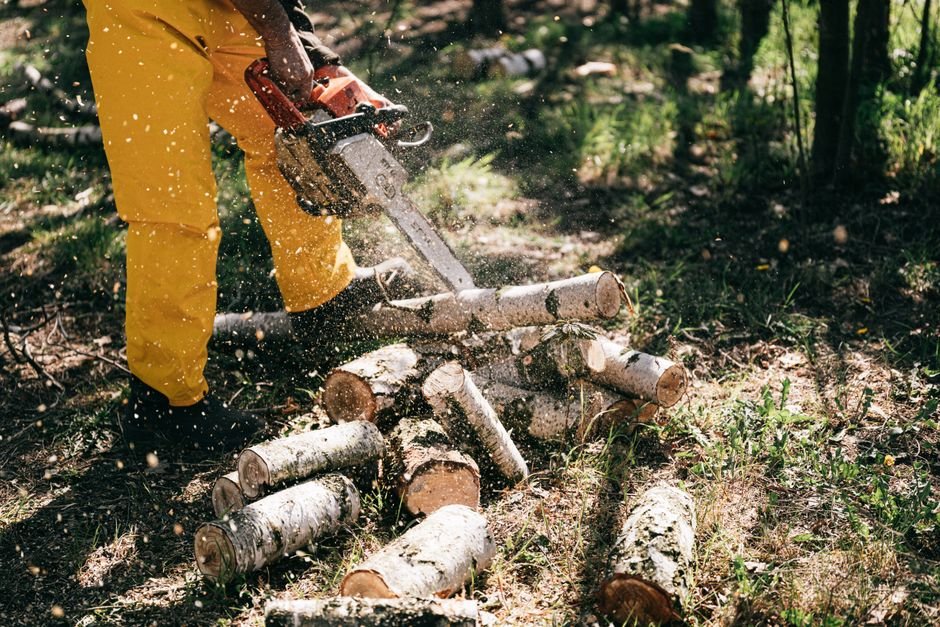
Professional chainsaws are designed for those who rely on them for their livelihood, such as loggers or landscapers. If your job involves heavy-duty tasks or requires daily use, investing in a professional model is wise.
Homeowner chainsaws are perfect for occasional use, such as pruning trees or cutting firewood. If you only use your saw a few times a year, a lightweight, user-friendly model can meet your needs without breaking the bank.
Assess your skill level too. Beginners may prefer homeowner models that are simpler to operate, while experienced users can handle the complexities of professional chainsaws.
There is more on chainsaw vs circular saw elsewhere on the site.
Comparing Costs Over Time
The initial purchase price is just one aspect to consider. Professional chainsaws typically cost more upfront but may offer savings over time. They have a longer lifespan, often exceeding ten years with good care.
In contrast, homeowner models are cheaper but might need replacement sooner, sometimes within five years. Calculate potential costs over time, considering maintenance and repair expenses. A professional model could save you money in the long run.
Conclusion
The difference between a professional chainsaw and a homeowner chainsaw comes down to usage intensity, durability, and performance. Professional chainsaws are built for demanding, long-term work, while homeowner chainsaws are designed for convenience and occasional tasks.
Understanding these differences helps ensure the right tool is matched to the right job improving efficiency, longevity, and overall satisfaction. For additional insights on the Professional Chainsaw vs Homeowner Chainsaw, you can check the resource.





Leave a Reply