

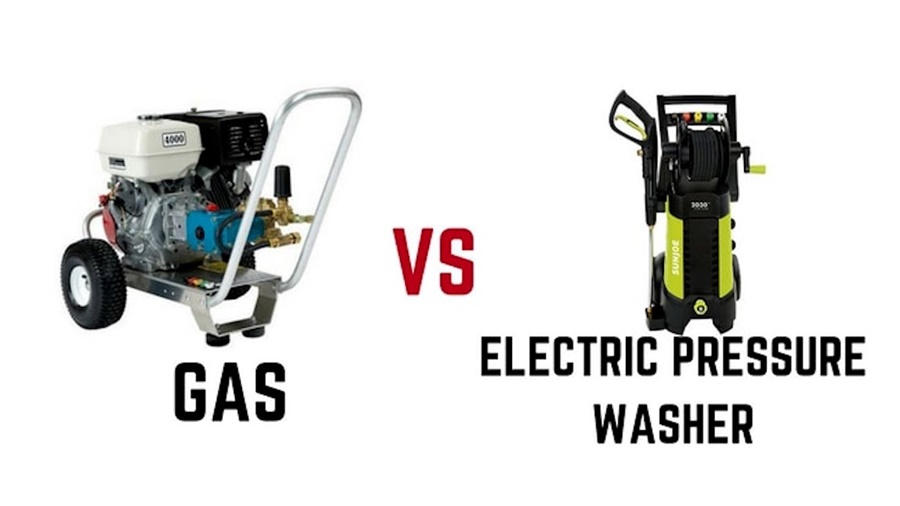
When it comes to deep-cleaning driveways, patios, vehicles, or siding, pressure washers are one of the most powerful tools you can own. But choosing between an electric pressure washer and a gas pressure washer can be confusing.
Both types deliver high-pressure water to remove dirt, mold, grime, and stains yet they differ significantly in power, portability, maintenance, cost, and ideal use cases.
This comprehensive guide will help you decide which option is best for your needs.
1. How They Work
Electric Pressure Washer
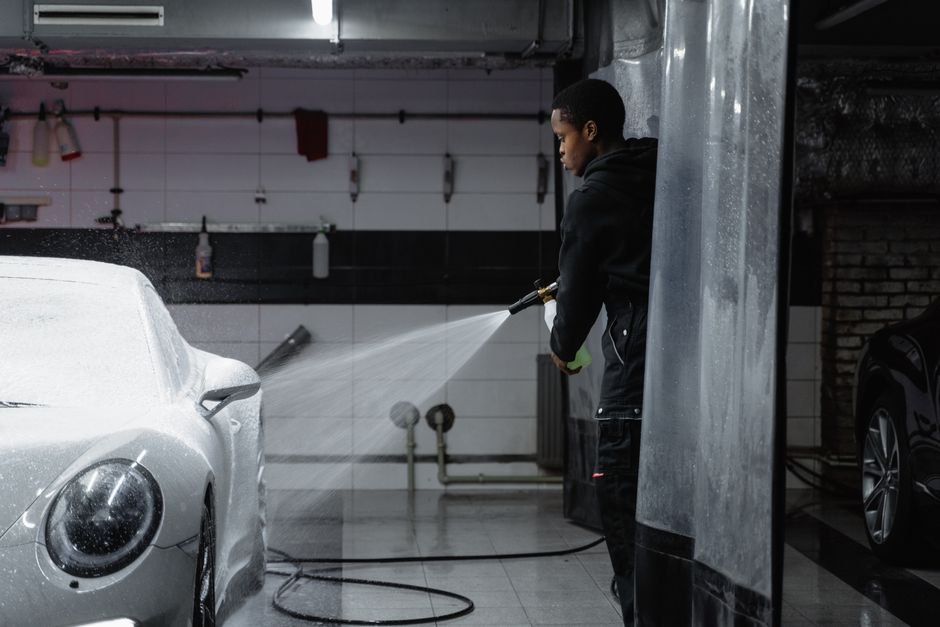
An electric pressure washer runs on electricity and plugs into a standard outlet. It uses an electric motor to power the pump that pressurizes water.
Gas Pressure Washer
A gas pressure washer runs on gasoline and uses a combustion engine to drive the pump, similar to a lawn mower engine.
2. Power & Performance Comparison
One of the biggest differences between electric and gas models is cleaning power, measured in:
- PSI (Pounds per Square Inch) – water pressure
- GPM (Gallons Per Minute) – water flow
- Cleaning Units (CU) = PSI × GPM
Electric Pressure Washer Power
- Typically: 1,300–2,300 PSI
- Ideal for:
- Cars and bikes
- Outdoor furniture
- Decks and patios
- Vinyl siding
- Small driveways
Electric models are strong enough for most residential tasks but may struggle with deeply embedded stains.
Gas Pressure Washer Power
- Typically: 2,500–4,000+ PSI
- Ideal for:
- Large concrete driveways
- Brick and stone
- Heavy mold removal
- Paint stripping
- Commercial use
Gas units deliver significantly more power and are built for heavy-duty jobs.
Winner for Power: Gas pressure washer
3. Portability & Convenience
Electric
- Lightweight
- Compact
- Requires power outlet
- Limited by cord length
- Very easy to start (just press a button)
Gas
- Heavier and bulkier
- No power cord needed
- Fully portable (great for remote areas)
- Pull-start engine
Winner for Convenience: Electric
Winner for Remote Use: Gas
4. Noise Levels
Electric
- Much quieter
- Suitable for neighborhoods
- Less vibration
Gas
- Loud engine noise
- Not ideal for early morning use
- Requires hearing protection for extended use
Winner for Quiet Operation: Electric
5. Maintenance Requirements
Electric Pressure Washer Maintenance
- Minimal upkeep
- No oil changes
- No fuel system issues
- Store indoors
- Basic pump care required
Gas Pressure Washer Maintenance
- Oil changes required
- Spark plug replacement
- Fuel stabilization
- Air filter maintenance
- Winterization important
Gas models require more time and effort to maintain.
Winner for Low Maintenance: Electric
6. Durability & Lifespan
- Electric washers generally last 3–5 years with regular home use.
- Gas washers can last 5–10+ years, especially professional-grade models.
Gas units are built tougher and better suited for frequent heavy use.
Winner for Longevity: Gas
7. Environmental Impact
Electric
- Zero emissions during use
- More eco-friendly
- Lower carbon footprint
Gas
- Produces exhaust fumes
- Burns fossil fuel
- Higher emissions
Winner for Environment: Electric
8. Cost Comparison
Initial Purchase Price
- Electric: $100–$400
- Gas: $300–$1,000+
Operating Cost
- Electric: Lower cost (just electricity)
- Gas: Ongoing fuel and maintenance costs
Winner for Budget Buyers: Electric
Winner for Commercial Investment: Gas
9. Safety Considerations
Gas pressure washers are powerful enough to:
- Damage wood
- Crack siding
- Strip paint unintentionally
- Cause injury if misused
Electric pressure washers are generally safer for beginners due to lower PSI levels.
Winner for Beginners: Electric
10. Ideal Use Cases
Choose an Electric Pressure Washer If You:
- Clean occasionally (1–3 times per month)
- Wash cars and patio furniture
- Live in a residential neighborhood
- Want low noise and low maintenance
- Prefer a lightweight machine
Choose a Gas Pressure Washer If You:
- Clean large areas regularly
- Own rental property
- Do contractor or commercial work
- Need paint stripping capability
- Work where electricity isn’t available
Quick Comparison Table
| Feature | Electric | Gas |
|---|---|---|
| Power | Moderate | High |
| Portability | Limited by cord | Fully portable |
| Noise | Quiet | Loud |
| Maintenance | Low | High |
| Eco-Friendly | Yes | No |
| Best For | Light to medium tasks | Heavy-duty cleaning |
| Cost | Lower | Higher |
Common Mistakes to Avoid
When choosing between electric and gas pressure washers, many users make simple yet significant errors. One common mistake is underestimating the cleaning power needed for specific tasks. Always match the pressure washer’s PSI and GPM to the job at hand. For example, don’t use a low-powered electric model to remove mildew from concrete.
Another frequent issue is neglecting maintenance routines. Users might skip seasonal checks for gas models, risking engine failure. Electric users sometimes forget to clear debris from the inlet filter, which affects performance. Make a checklist to ensure your washer remains in top shape.
Who Each Option Suits Best
Assessing your cleaning needs will help you choose the right pressure washer. If you’re a homeowner with occasional cleaning tasks like washing cars or patios, an electric model suits you perfectly. It offers enough power while being lightweight and easy to store.
For large properties or professional use, a gas-powered unit is ideal. These models handle tough jobs like cleaning large driveways or commercial vehicles. Their higher PSI ratings tackle dirt that electric washers typically struggle with.
Conclusion
Choosing between an electric pressure washer and a gas pressure washer ultimately comes down to your cleaning needs, budget, and how often you plan to use the machine.
If you are a homeowner handling light to moderate tasks such as washing cars, cleaning patios, outdoor furniture, or siding, an electric pressure washer is usually the smarter choice. It is quieter, easier to maintain, more affordable, and environmentally friendly. For most residential jobs, it provides more than enough power without the added complexity of fuel and engine maintenance.
On the other hand, if you frequently tackle large areas, stubborn stains, heavy mold, or commercial-level projects, a gas pressure washer offers the superior strength and durability required for demanding work. Its higher PSI and greater mobility make it ideal for tough, outdoor jobs where maximum power is essential.





Leave a Reply