

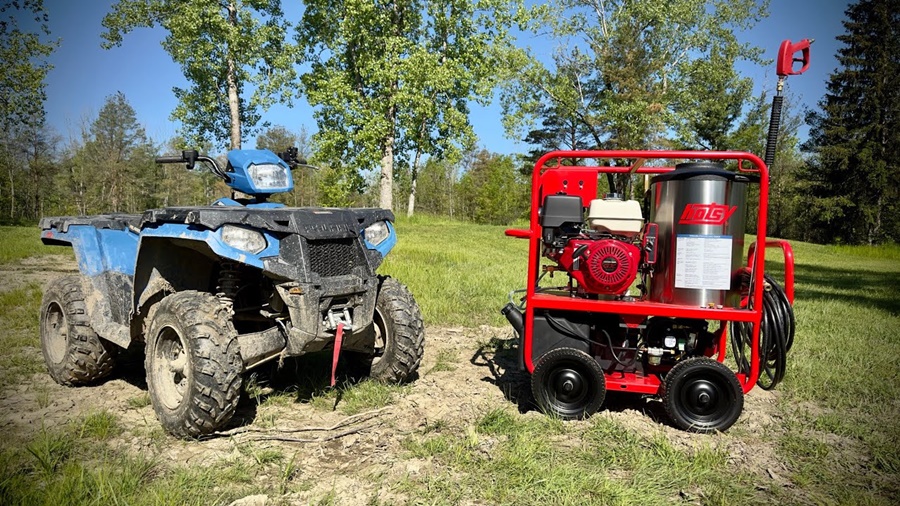
When it comes to heavy-duty cleaning, pressure washers are among the most powerful and efficient tools available. Whether you’re cleaning driveways, vehicles, industrial equipment, or commercial spaces, choosing the right type of pressure washer makes a big difference.
The two main categories are cold water pressure washers and hot water pressure washers. While they may look similar, their cleaning performance, applications, and cost vary significantly.
This comprehensive guide explains the differences, advantages, disadvantages, and best uses for each—so you can choose the right one for your needs.

What Is a Cold Water Pressure Washer?
A cold water pressure washer uses unheated water at high pressure to remove dirt, mud, dust, and debris from surfaces.
It relies purely on water pressure (measured in PSI – pounds per square inch) and water flow rate (GPM – gallons per minute) to clean surfaces.
How It Works
- Water enters the machine.
- A motor or engine powers a pump.
- The pump increases the water pressure.
- Pressurized water exits through a spray nozzle.
Best For:
- Residential cleaning
- Driveways and sidewalks
- Fences and decks
- Vehicles
- Outdoor furniture
- Removing mud and loose dirt
Advantages of Cold Water Pressure Washers
- More affordable
- Lightweight and portable
- Lower maintenance requirements
- Energy efficient (no heating element)
- Ideal for everyday home use
Disadvantages
- Struggles with grease and oil
- May require detergents for tough stains
- Less effective for industrial applications
What Is a Hot Water Pressure Washer?
A hot water pressure washer heats the water before spraying it at high pressure. The heated water (often between 180°F–200°F or higher) breaks down grease, oil, and stubborn grime more effectively.
Think of it like washing dishes: hot water cuts through grease much better than cold water.
How It Works
- Water enters the machine.
- A burner (diesel, gas, or electric) heats the water.
- A high-pressure pump forces heated water through the nozzle.
Best For:
- Industrial and commercial cleaning
- Removing oil and grease
- Cleaning machinery and engines
- Food processing facilities
- Construction equipment
- Sanitizing surfaces
Advantages of Hot Water Pressure Washers
- Superior grease-cutting power
- Faster cleaning time
- Reduced need for chemicals
- Better sanitization
- More effective on tough stains
Disadvantages
- Higher upfront cost
- Heavier and less portable
- Requires more maintenance
- Higher energy consumption
Key Differences Between Cold and Hot Water Pressure Washers
| Feature | Cold Water Pressure Washer | Hot Water Pressure Washer |
|---|---|---|
| Water Temperature | Unheated | Heated (up to 200°F+) |
| Cleaning Power | Good for dirt & debris | Excellent for grease & oil |
| Cost | Lower | Higher |
| Maintenance | Minimal | More complex |
| Best Use | Residential & light commercial | Industrial & heavy-duty |
When Should You Choose a Cold Water Pressure Washer?
Choose a cold water unit if:
- You’re a homeowner cleaning patios, siding, or vehicles.
- You don’t deal with grease or oil.
- You want a budget-friendly option.
- You prefer low maintenance.
Cold water machines are perfect for general cleaning tasks where high pressure is enough.
When Should You Choose a Hot Water Pressure Washer?
Choose a hot water unit if:
- You clean automotive shops or garages.
- You work in food processing or agriculture.
- You need sanitization.
- You deal with oil, grease, or heavy grime.
- You want faster, more efficient cleaning in commercial settings.
Hot water pressure washers are ideal for professionals who need maximum cleaning performance.
Cost Comparison
Cold Water Pressure Washer:
- Residential units: Lower price range
- Commercial units: Moderate pricing
Hot Water Pressure Washer:
- Significantly more expensive due to heating system
- Higher operational costs (fuel or electricity)
However, in commercial environments, hot water machines can save money long-term by reducing labor time and detergent use.
Maintenance Differences
Cold water machines:
- Pump maintenance
- Occasional hose and nozzle replacement
- Winterizing in cold climates
Hot water machines:
- All of the above
- Burner system maintenance
- Fuel system care
- Descaling heating coils
Because of the heating components, hot water units require more attention and servicing.
Cleaning Efficiency: Which Is Better?
It depends on what you’re cleaning.
- For mud, sand, and debris → Cold water works great.
- For oil, grease, and sticky grime → Hot water is far superior.
- For sanitizing surfaces → Hot water is the better choice.
In many industrial settings, hot water can cut cleaning time nearly in half.
Common Mistakes When Using Pressure Washers
One frequent error is using the wrong attachment for the job. For example, using a narrow nozzle for large surfaces can lead to uneven cleaning. Select the right nozzle for each task to ensure even results.
Another mistake is not pre-treating stubborn stains. Take time to apply a suitable cleaner to the surface before using the washer. This allows the detergent to break down grime more effectively.
Additionally, many users underestimate the distance from which they spray. Maintain a distance of about 2 feet when cleaning to avoid damage while ensuring thorough cleaning.

Who Should Choose Each Option?
If you’re primarily cleaning outdoor surfaces like patios, decks, or vehicles, a cold water pressure washer may be your best bet. These models are often lighter, easier to maneuver, and sufficient for most residential tasks.
On the other hand, consider a hot water pressure washer if you’re dealing with commercial-grade cleaning. Industries such as food service or automotive maintenance require deeper cleaning, tackling grease and oil effectively. You can learn more about Cold Water Pressure Washer vs Hot Water Pressure Washer to further assist in your decision.
Here’s a quick comparison to help you decide:
- Cold Water: Ideal for general dirt, less complex cleaning.
- Hot Water: Best for grease, oil, and heavy-duty cleaning.
Conclusion
Both cold water and hot water pressure washers are powerful cleaning tools—but they serve different purposes.
Cold water pressure washers are cost-effective, simple, and perfect for everyday cleaning tasks. Hot water pressure washers offer superior cleaning performance for grease-heavy and industrial applications.
Before buying, consider:
- What surfaces you’ll clean
- The type of dirt you’ll remove
- Your budget
- Maintenance requirements
- Frequency of use
Choosing the right machine ensures better results, improved efficiency, and long-term savings.





Leave a Reply