

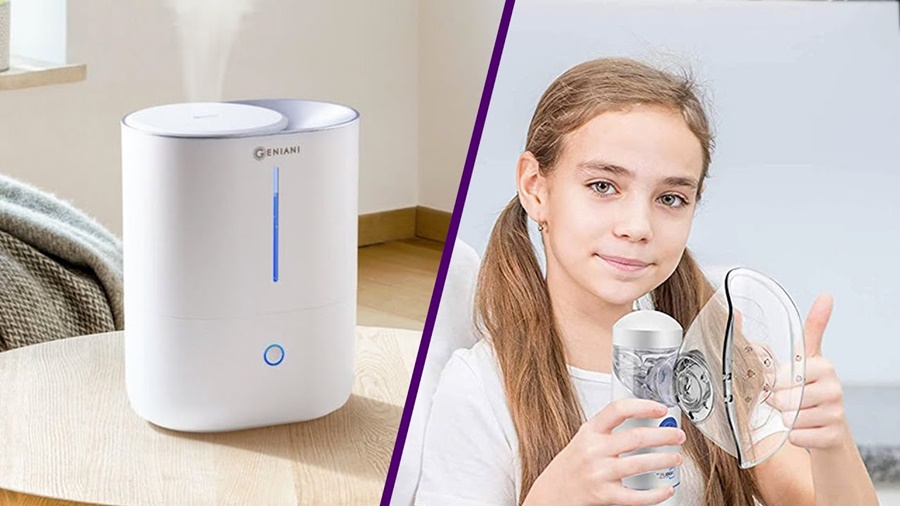
Humidifier vs Vaporizer: Which is Better for Your Health? The right choice largely depends on your specific health needs; for example, humidifiers add moisture to the air, helping alleviate dry skin and asthma symptoms, while vaporizers, which heat water to create steam, can provide relief from congestion and colds. Understanding these differences ensures you select the best device for your well-being.
This article breaks down their differences, benefits, drawbacks, and how to choose the right one for your home.

What Is a Humidifier?
A humidifier is a device that increases the moisture level (humidity) in a room by releasing water vapor or mist into the air. There are several types of humidifiers, including:
- Cool mist humidifiers (evaporative or ultrasonic)
- Warm mist humidifiers
- Ultrasonic humidifiers (use vibrations to create fine mist)
How It Works
Humidifiers typically use a fan, wick, or ultrasonic vibrations to disperse cool or slightly warm mist into the air, raising humidity levels.
Benefits
- Helps relieve dry skin, chapped lips, and irritated eyes
- Eases respiratory issues like congestion and allergies
- Safe for children (especially cool mist types)
- Energy-efficient compared to vaporizers
Drawbacks
- Requires regular cleaning to prevent mold and bacteria buildup
- Can disperse minerals from hard water (white dust)
- Some models may be noisy
What Is a Vaporizer?
A vaporizer, also known as a warm mist humidifier, boils water to produce steam, which is then cooled slightly before being released into the air.
How It Works
The device heats water until it turns into steam. This steam is released into the room, increasing humidity.
Benefits
- Kills most bacteria and germs due to boiling process
- Can be used with medicated inhalants for colds and flu relief
- Often quieter than some humidifiers
- Typically more affordable upfront
Drawbacks
- Hot steam can cause burns (not ideal for homes with children or pets)
- Uses more electricity due to heating element
- Can make a room feel warmer
- Requires frequent cleaning to prevent mineral buildup
Key Differences Between Humidifiers and Vaporizers
| Feature | Humidifier | Vaporizer |
|---|---|---|
| Mist Type | Cool or room-temperature mist | Warm steam |
| Safety | Safer (especially cool mist) | Risk of burns |
| Energy Use | Lower | Higher |
| Noise Level | Can vary | Usually quieter |
| Maintenance | Frequent cleaning required | Frequent cleaning required |
| Health Use | General moisture relief | Better for cold/flu symptoms |
Which One Should You Choose?
Choose a Humidifier if:
- You want a safer option for children or pets
- You need everyday humidity control
- You live in a warm climate and prefer cool mist
- You want energy efficiency
Choose a Vaporizer if:
- You need relief from colds, coughs, or congestion
- You want to use medicated inhalants
- You prefer a quieter device
- You don’t mind higher energy usage
Health Considerations
Both humidifiers and vaporizers can improve indoor air quality when used correctly, but improper maintenance can lead to problems:
- Dirty devices can spread bacteria and mold
- Too much humidity can promote dust mites and mildew
- Ideal indoor humidity is typically between 30% and 50%
Regular cleaning and proper usage are essential regardless of the device you choose.
Maintenance Tips
- Clean the tank every 1–3 days
- Use distilled or filtered water when possible
- Empty and dry the unit when not in use
- Replace filters (if applicable) regularly
Common Mistakes to Avoid
One frequent mistake is ignoring the size of your room when selecting a humidifier or vaporizer. For instance, using a small device in a large space means you won’t achieve adequate moisture levels. Always check the manufacturer’s recommendations for room size.
Another common error is neglecting regular cleaning. Both devices can accumulate mineral deposits and bacteria. Failing to maintain cleanliness can lead to health risks instead of benefits.
Finally, many users underestimate the importance of monitoring humidity levels. Using an external hygrometer can help you keep track of moisture in the air, preventing over-humidification, which can lead to mold growth.
Who Each Option Suits Best
Humidifiers work well for people living in dry climates or during winter months when indoor air tends to be dry. If you suffer from allergies or sinus issues, a humidifier can provide relief without the heat associated with vaporizers.
On the other hand, vaporizers may be more suitable for those looking to add medicated steam to their environment. If you frequently deal with respiratory conditions or persistent coughing, consider a vaporizer for its soothing, warm mist that can help alleviate symptoms.
Families with young children might opt for cool-mist humidifiers to reduce burn risks and safely increase moisture levels in a child’s room. Conversely, adults who prefer a spa-like experience might appreciate the warm mist of vaporizers for a comforting, relaxing atmosphere.
For more, read about ultrasonic humidifier vs evaporative.
Conclusion
Humidifiers and vaporizers both serve the same basic purpose adding moisture to the air but they do so in different ways. Humidifiers are generally safer and more versatile for everyday use, while vaporizers are particularly effective for temporary relief from respiratory issues. Additionally, understanding humidifier vs vaporizer differences can help you choose the best option for your needs.
Your choice ultimately depends on your specific needs, household environment, and comfort preferences. By understanding the differences and maintaining your device properly, you can enjoy healthier, more comfortable indoor air year-round.





Leave a Reply