

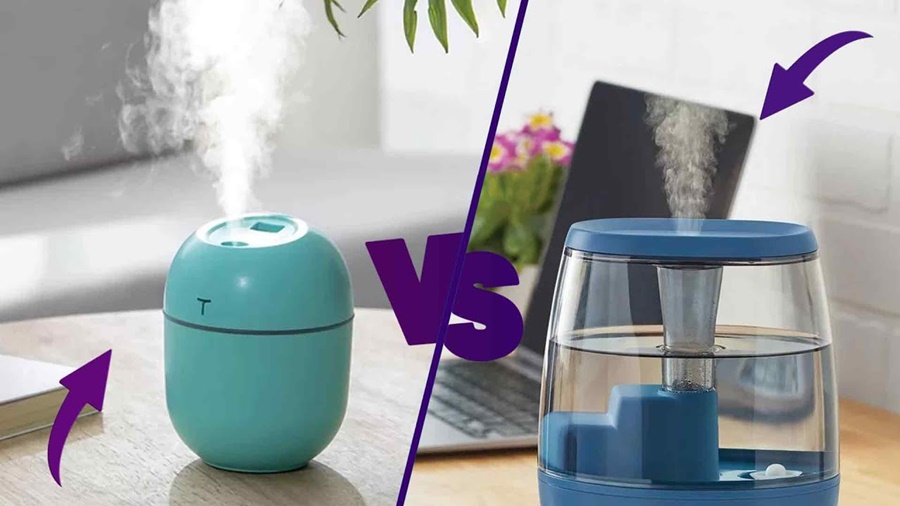
Humidifiers help relieve dry skin, sinus irritation, allergies, and respiratory discomfort by adding moisture to the air. Maintaining proper indoor humidity is essential for comfort and health. However, choosing the right type can be confusing—especially when comparing steam humidifiers (warm mist) and ultrasonic humidifiers (cool mist).
This article provides a complete, in-depth comparison of both types, including how they work, their pros and cons, and which one is best for your needs.

1. What Is a Steam Humidifier?
A steam humidifier (also known as a vaporizer or warm-mist humidifier) works by boiling water to produce steam. The steam cools slightly before being released into the air as warm moisture.
Key Characteristics:
- Uses a heating element
- Produces warm mist
- Kills many bacteria during boiling
- Usually does not require filters
2. What Is an Ultrasonic Humidifier?
An ultrasonic humidifier uses high-frequency vibrations to break water into tiny droplets, creating a fine mist that is released into the air.
Key Characteristics:
- No heating element
- Produces cool mist (some models offer warm mist)
- Very quiet operation
- Compact and energy-efficient
3. Steam vs Ultrasonic: How They Work
| Feature | Steam Humidifier | Ultrasonic Humidifier |
|---|---|---|
| Technology | Boils water into steam | Vibrates water into mist |
| Mist Type | Warm mist | Cool mist |
| Heat Required | Yes | No |
| Noise Level | Moderate (boiling sound) | Very quiet |
| Energy Use | Higher | Lower |
Steam humidifiers rely on heat, while ultrasonic humidifiers rely on vibration this fundamental difference affects everything from safety to energy use.
4. Advantages of Steam Humidifiers
1. Cleaner Mist
Boiling water kills many bacteria, mold, and pathogens, producing cleaner vapor.
2. Better for Allergies
Since the steam is more purified, it may contain fewer contaminants.
3. Effective in Large Spaces
Steam humidifiers can raise humidity levels quickly and efficiently in bigger rooms.
4. No White Dust
Unlike ultrasonic models, steam humidifiers do not release mineral residue.
5. Option for Inhalants
Some models allow adding medicated inhalants for respiratory relief.
5. Disadvantages of Steam Humidifiers
1. Burn Risk
Hot water and steam can cause injuries, especially around children and pets.
2. High Energy Consumption
Heating water requires more electricity than other types.
3. Slight Noise
Boiling and bubbling may produce some sound.
4. Mineral Buildup
Heating elements can accumulate scale and require regular cleaning.
6. Advantages of Ultrasonic Humidifiers
1. Very Quiet Operation
Ultrasonic models operate almost silently (often below 30 dB), making them ideal for bedrooms.
2. Energy Efficient
They consume less power since they don’t heat water.
3. Safe for Children
No hot surfaces or boiling water.
4. Compact and Stylish
Typically smaller and more modern in design.
5. Supports Aromatherapy
Many models allow essential oils for added benefits.
7. Disadvantages of Ultrasonic Humidifiers
1. Risk of Bacteria Dispersion
They do not kill microorganisms, so bacteria can be released into the air if not cleaned properly.
2. White Dust Problem
Minerals from tap water may be dispersed as fine dust on surfaces.
3. Frequent Cleaning Required
To prevent mold and bacteria buildup, regular maintenance is essential.
4. Limited Effectiveness in Large Rooms
Best suited for small to medium spaces.
8. Safety Comparison
| Safety Factor | Steam Humidifier | Ultrasonic Humidifier |
|---|---|---|
| Burn Risk | High | None |
| Child-Friendly | No | Yes |
| Air Cleanliness | Higher | Depends on maintenance |
| Mold Risk | Low | Higher if not cleaned |
Steam humidifiers are hygienic but potentially dangerous, while ultrasonic models are safer but require strict hygiene.
9. Maintenance Comparison
Steam Humidifier:
- Requires descaling (due to mineral buildup)
- Less risk of bacterial growth
- No filter replacement (in most cases)
Ultrasonic Humidifier:
- Needs frequent cleaning
- Use distilled water recommended
- May require filter or cartridge replacement
10. Cost Comparison
| Cost Type | Steam Humidifier | Ultrasonic Humidifier |
|---|---|---|
| Initial Cost | Moderate | Usually lower |
| Running Cost | Higher (electricity) | Lower |
| Maintenance | Medium | Medium to high |
Ultrasonic models are generally more economical in the long run.
11. Which One Should You Choose?
Choose a Steam Humidifier if:
- You want cleaner, bacteria-free mist
- You suffer from allergies or respiratory issues
- You need to humidify a large space
- Safety is not a major concern (no kids/pets nearby)
Choose an Ultrasonic Humidifier if:
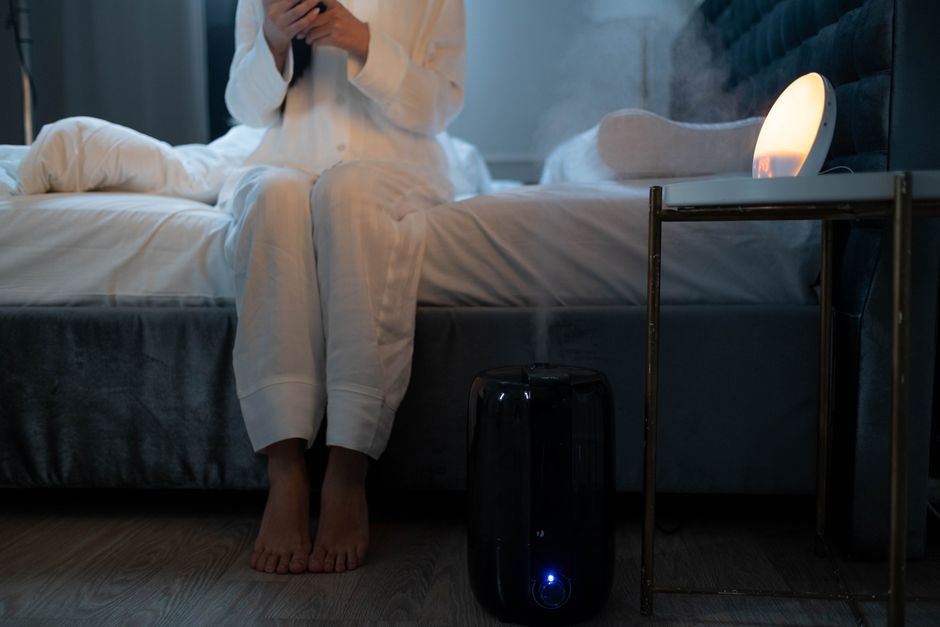
- You need a quiet device for sleep
- You want energy efficiency
- You have children or pets
- You prefer a modern, compact design
12. Final Verdict
There is no one-size-fits-all answer.
- Steam humidifiers are better for hygiene and performance but come with safety risks and higher energy costs.
- Ultrasonic humidifiers are safer, quieter, and more efficient but require careful maintenance to avoid health issues.
Best overall choice:
- For families and everyday use → Ultrasonic humidifier
- For medical or allergy-focused use → Steam humidifier
Worth reading alongside this: humidifier vs diffuser.
Conclusion
Both steam and ultrasonic humidifiers serve the same purpose adding moisture to the air but they differ significantly in operation, safety, and maintenance.
Your ideal choice depends on your environment, health needs, and lifestyle. If you prioritize safety and convenience, go ultrasonic. If cleanliness and effectiveness matter more, steam humidifiers may be the better option.





Leave a Reply