

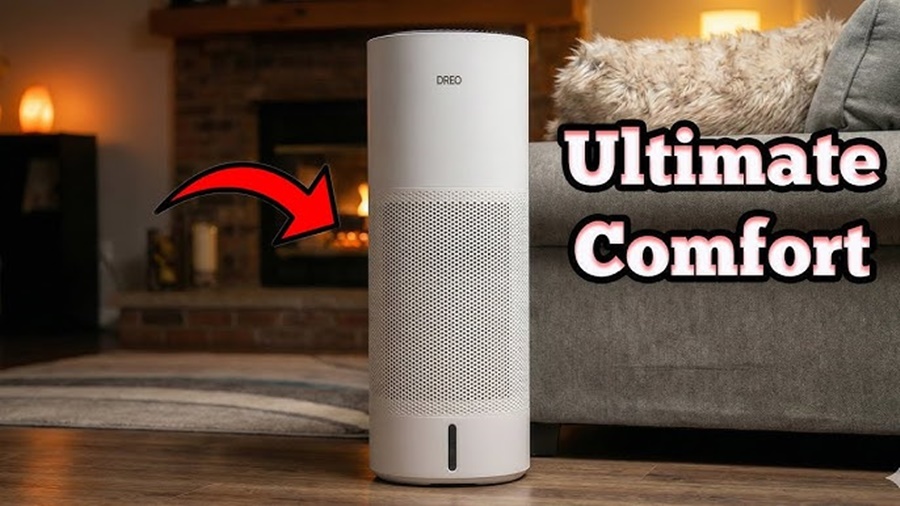
Humidifiers are commonly used to add moisture to dry air, especially during winter or in arid climates. Maintaining proper indoor humidity is essential for comfort, health, and even the longevity of furniture and electronics. Among the most popular types are evaporative humidifiers and steam (warm mist) humidifiers.
While both serve the same basic purpose, they differ significantly in how they operate, their benefits, drawbacks, and ideal use cases.
This article provides a detailed comparison to help you decide which type is best for your needs.
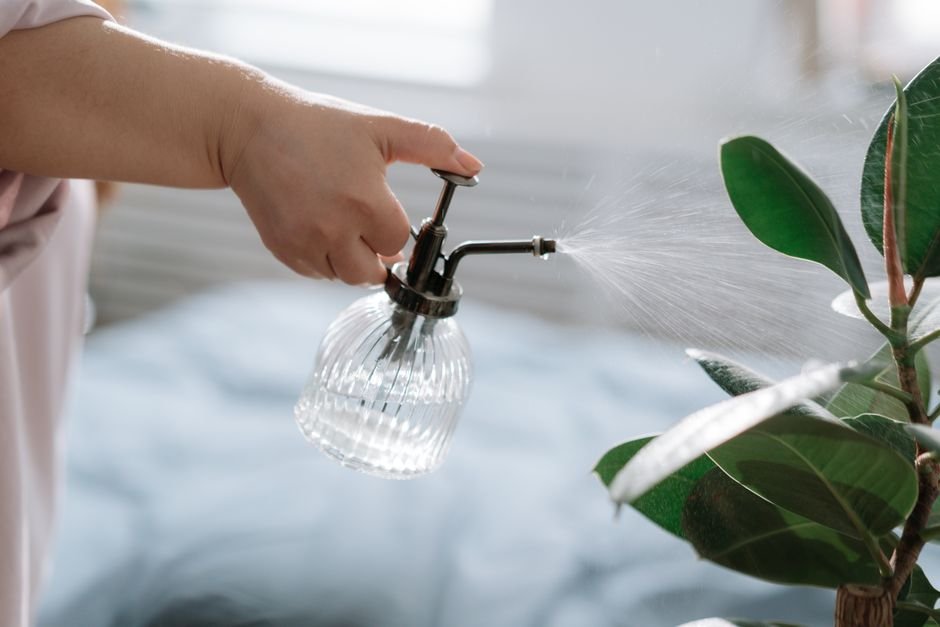
What Is an Evaporative Humidifier?
An evaporative humidifier uses a natural process of evaporation to add moisture to the air. It typically consists of a water reservoir, a wick filter, and a fan.
How It Works
- Water is absorbed into a wick filter.
- A fan blows air through the moist filter.
- As air passes through, water evaporates and is released as cool moisture into the room.
Key Features
- Uses a fan and filter system
- Produces cool mist
- Self-regulating (less risk of over-humidification)
What Is a Steam Humidifier?
A steam humidifier, also known as a warm mist humidifier, heats water to produce steam, which is then cooled slightly before being released into the air.
How It Works
- Water is heated to a boiling point.
- Steam is produced and released into the room.
- The steam cools slightly before dispersing.
Key Features
- Uses heating element
- Produces warm mist
- Kills most bacteria and germs during boiling
Key Differences
1. Method of Humidification
- Evaporative: Uses natural evaporation with airflow.
- Steam: Boils water to create steam.
Evaporative models rely on passive moisture transfer, while steam humidifiers actively generate vapor through heat.
2. Energy Consumption
- Evaporative: Energy-efficient; only powers a fan.
- Steam: Consumes more electricity due to heating element.
If energy efficiency is a priority, evaporative humidifiers are generally the better option.
3. Maintenance Requirements
- Evaporative: Requires regular filter (wick) replacement and cleaning.
- Steam: Needs periodic descaling to remove mineral buildup.
Evaporative units involve more frequent part replacement, while steam humidifiers demand cleaning to prevent scaling.
4. Hygiene and Air Quality
- Evaporative: Can accumulate mold or bacteria in the filter if not maintained properly.
- Steam: Boiling water kills most germs, making it more hygienic.
Steam humidifiers are often considered safer from a microbial standpoint.
5. Safety
- Evaporative: Safer, especially around children and pets (no hot water).
- Steam: Risk of burns due to hot water and steam.
For households with kids or pets, evaporative humidifiers are usually the safer choice.
6. Noise Levels
- Evaporative: Can be noisy due to the fan.
- Steam: Generally quieter (no fan required).
If you need a humidifier for a bedroom or quiet workspace, steam models may be preferable.
7. Humidity Control
- Evaporative: Naturally self-limiting; slows down as humidity rises.
- Steam: Can over-humidify if not controlled with a humidistat.
Evaporative humidifiers are less likely to cause excessive moisture in the air.
8. Initial Cost and Operating Cost
- Evaporative: Usually cheaper upfront but ongoing filter costs.
- Steam: Higher electricity costs but fewer replaceable parts.
Over time, the total cost depends on usage habits and maintenance.
Common Mistakes to Avoid
Choosing the wrong type of humidifier can lead to dissatisfaction. One mistake is prioritizing capacity over the size of your space. A large steam humidifier in a small room can create excessive moisture, leading to mold. Ensure you match the unit’s capacity to your room size for optimal performance.
Another frequent error is neglecting regular maintenance. Steam humidifiers require consistent cleaning to avoid mineral buildup. Skipping this can harm the device and reduce air quality. Set a schedule for regularly checking and cleaning your unit to ensure longevity and maintain health standards.
Cost Comparison and Budgeting
Understanding the financial aspect of each humidifier type is crucial. Evaporative humidifiers generally cost less upfront and have lower energy costs. A mid-range model can start around $50, making it budget-friendly.
In contrast, steam humidifiers tend to carry a higher initial price, with quality models starting at about $100. They may also have higher operating costs due to energy consumption.
- Evaporative: $50-$150 initial cost
- Steam: $100-$300 initial cost
- Average monthly energy cost for evaporative: $10
- Average monthly energy cost for steam: $20
Plan your budget according to not only the purchase price but also the long-term costs. This helps you make an informed choice that fits your financial situation.

Ideal Users for Each Type
Evaporative humidifiers are great for families with children or pets. They provide safe, natural moisture without risk of burns. If you have a larger living space, their ability to self-regulate humidity makes them a practical choice.
Steam humidifiers suit users with specific health needs, like asthma or allergies. They can deliver warm mist, which may ease symptoms during colder months. If you want precise humidity control and don’t mind the extra upkeep, a steam model might be ideal for you.
There is more on washer vs steam cleaner elsewhere on the site.
Pros and Cons Summary
Evaporative Humidifier
Pros:
- Energy-efficient
- Safer (no heat)
- Self-regulating humidity
- Lower electricity cost
Cons:
- Requires filter replacement
- Can be noisy
- Risk of mold if poorly maintained
Steam Humidifier
Pros:
- Hygienic (kills bacteria)
- Quiet operation
- No filters needed
Cons:
- Higher energy consumption
- Burn risk
- Can over-humidify
- Requires descaling
Which One Should You Choose?
The right choice depends on your specific needs:
- Choose an evaporative humidifier if:
- You want energy efficiency
- Safety is a priority (children or pets)
- You prefer a low-risk, self-regulating system
- Choose a steam humidifier if:
- You want cleaner, germ-free mist
- Noise is a concern
- You don’t mind higher electricity usage
Conclusion
Both evaporative and steam humidifiers effectively improve indoor air moisture, but they cater to different preferences and environments. Evaporative humidifiers are practical, safe, and economical for everyday use, while steam humidifiers offer superior hygiene and quiet performance at the cost of higher energy use and potential safety concerns.
Before making a decision, consider factors such as room size, budget, maintenance commitment, and who will be using the space. A well-chosen humidifier can significantly improve comfort, respiratory health, and overall indoor air quality.





Leave a Reply