

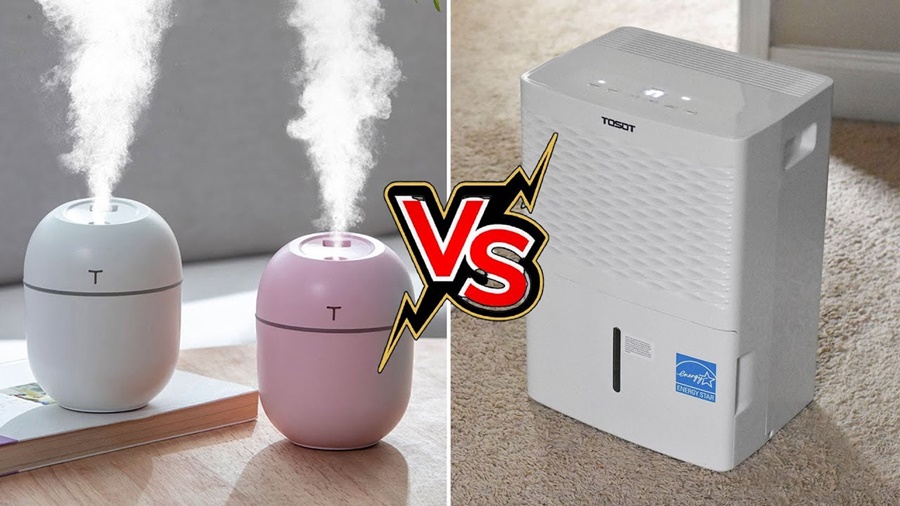
Two common devices used to control indoor moisture are humidifiers and dehumidifiers. Maintaining the right level of humidity in your indoor environment is essential for comfort, health, and even the longevity of your home and belongings. Although they may sound similar, they serve opposite purposes. Understanding how they work and when to use each can help you create a healthier and more comfortable living space.
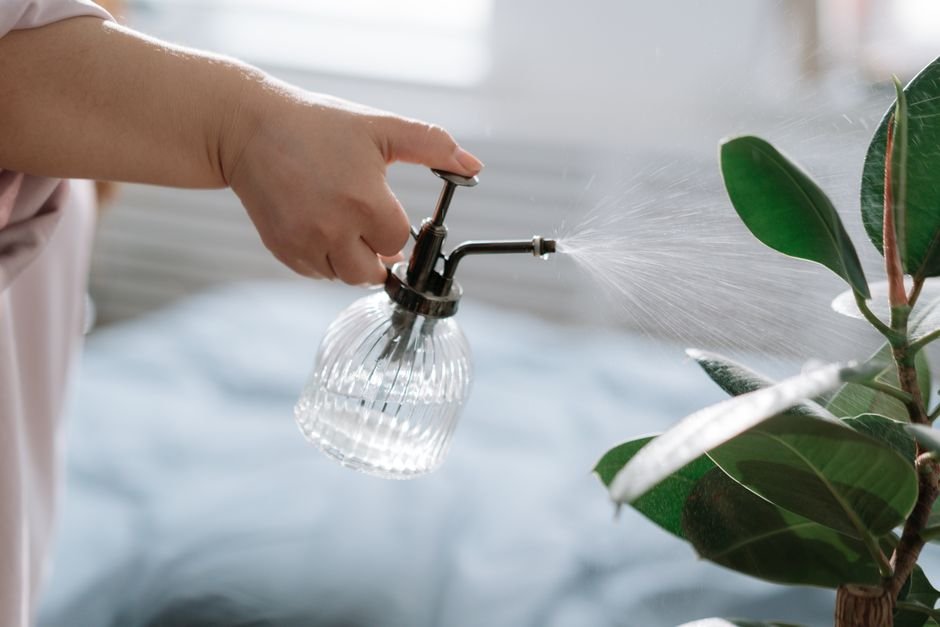
What Is a Humidifier?
A humidifier is a device designed to add moisture to the air. It is commonly used in environments where the air is too dry, especially during winter months or in arid climates.
How It Works
Humidifiers release water vapor or steam into the air, increasing humidity levels. There are several types, including:
- Evaporative humidifiers (use a fan and wick filter)
- Ultrasonic humidifiers (use vibrations to create mist)
- Steam vaporizers (heat water to produce steam)
Benefits of Using a Humidifier
- Relieves dry skin, lips, and eyes
- Helps reduce irritation in the throat and nasal passages
- Can ease symptoms of colds, flu, and allergies
- Prevents cracking of wooden furniture and floors
- Reduces static electricity
When to Use a Humidifier
You should consider using a humidifier when:
- Indoor air feels dry
- You experience frequent nosebleeds or dry throat
- Skin becomes flaky or irritated
- Heating systems reduce indoor humidity
What Is a Dehumidifier?
A dehumidifier is a device that removes excess moisture from the air. It is ideal for humid environments where high moisture levels can cause discomfort or damage.
How It Works
Dehumidifiers pull in air, remove moisture through condensation, and release drier air back into the room. The collected water is stored in a tank or drained away.
Benefits of Using a Dehumidifier
- Prevents mold and mildew growth
- Reduces dust mites and allergens
- Eliminates musty odors
- Protects walls, ceilings, and furniture from moisture damage
- Improves overall air quality
When to Use a Dehumidifier
A dehumidifier is useful when:
- The air feels sticky or damp
- You notice mold spots or mildew smells
- Windows frequently have condensation
- You live in a humid climate or near coastal areas
Key Differences Between Humidifiers and Dehumidifiers
| Feature | Humidifier | Dehumidifier |
|---|---|---|
| Function | Adds moisture to air | Removes moisture from air |
| Best for | Dry environments | Humid environments |
| Health impact | Eases dryness and irritation | Reduces allergens and mold |
| Common use season | Winter | Summer or rainy seasons |
| Maintenance | Requires cleaning to prevent bacteria | Requires emptying water tank |
Choosing the Right Device
Selecting between a humidifier and a dehumidifier depends on your indoor conditions and personal needs.
Choose a Humidifier If:
- Your environment is dry
- You suffer from dry skin or respiratory discomfort
- You use heating systems frequently
Choose a Dehumidifier If:
- Your space feels damp or smells musty
- You see signs of mold or mildew
- You want to reduce allergens in the air
Ideal Humidity Levels
Experts generally recommend keeping indoor humidity between 30% and 50%. Levels below this range can cause dryness, while higher levels can promote mold and bacteria growth. A hygrometer (humidity meter) can help you monitor these levels accurately.
Can You Use Both?
Yes, in some cases, you may need both devices at different times of the year. For example:
- Use a humidifier in winter when indoor heating dries out the air
- Use a dehumidifier in summer or monsoon seasons when humidity rises
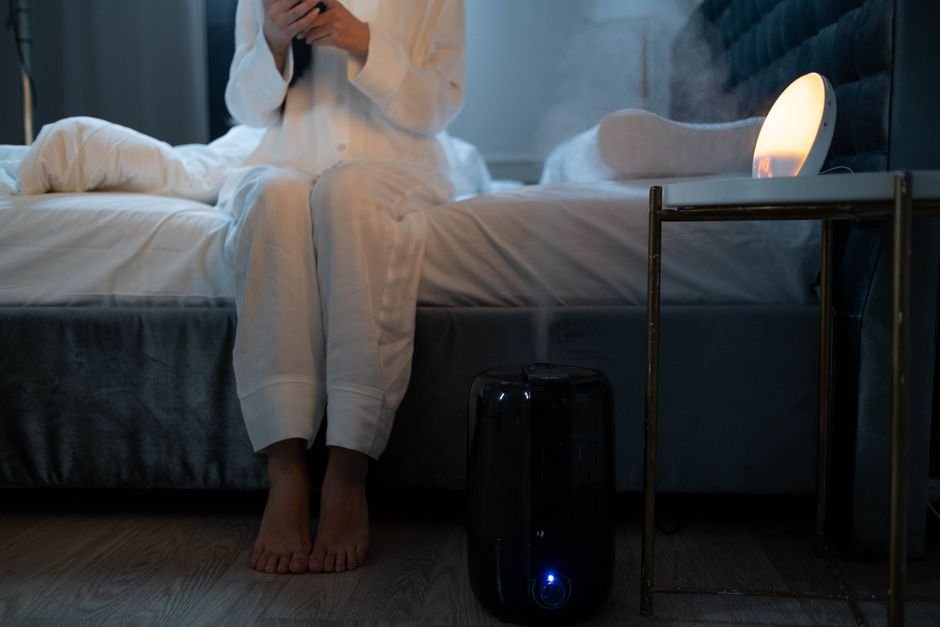
Maintenance Tips
For Humidifiers:
- Clean regularly to prevent mold and bacteria
- Use distilled water to reduce mineral buildup
- Replace filters as recommended
For Dehumidifiers:
- Empty the water tank frequently
- Clean coils and filters
- Ensure proper ventilation for efficiency
Related reading: humidifier vs ultrasonic.
Common Mistakes to Avoid
When using a humidifier, one common mistake is setting the humidity too high. This can lead to mold growth and dust mites. Aim for a range between 30% and 50% humidity. Check your humidity levels regularly with a hygrometer.
For dehumidifiers, neglecting to empty the water reservoir is a frequent error. If the tank overfills, the unit can shut off and become ineffective. Establish a routine to empty it daily or choose a model with continuous drainage options.
Cost Considerations
The initial purchase price of humidifiers and dehumidifiers can vary widely. Basic models typically cost between $30 and $150, while higher-end versions might range from $200 to $500. Consider the long-term costs too, including energy usage and maintenance needs.
Check for energy-efficient units that lower operational costs. Look for features like adjustable settings, which can help minimize electricity usage. Always factor in replacement parts, such as filters, when budgeting for these devices.
Who Each Option Suits
Humidifiers are particularly beneficial for those living in dry climates or experiencing cold winters. If you suffer from allergies or respiratory issues, a humidifier can also help ease symptoms. You may find it especially helpful during the heating season.
On the flip side, dehumidifiers are ideal for people in humid environments or areas prone to water damage. They are perfect for basements or laundry rooms where moisture is a concern. If you notice musty smells or mold, a dehumidifier is your best choice.
Conclusion
Humidifiers and dehumidifiers are essential tools for maintaining indoor air quality, but they serve opposite purposes. A humidifier adds moisture to combat dryness, while a dehumidifier removes excess moisture to prevent dampness and mold. By understanding your environment and monitoring humidity levels, you can choose the right device or even use both to create a comfortable and healthy living space.
For detailed information on the functions of a dehumidifier, visit the functions of a dehumidifier.





Leave a Reply