

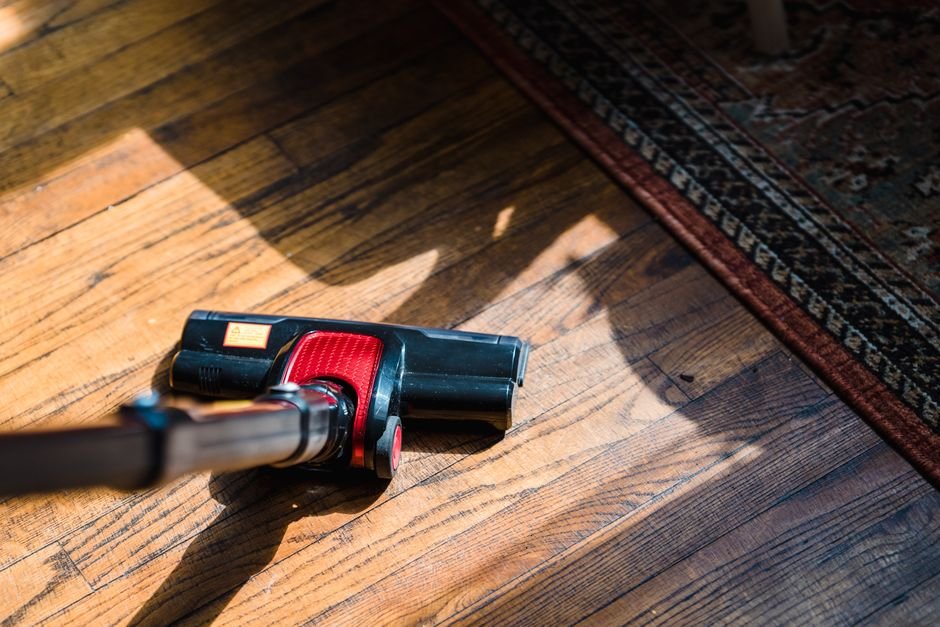
Streaky hardwood floors can ruin the aesthetic of your home and can take hours to clean properly. Fortunately, achieving a spotless shine doesn't require expensive products; a few effective techniques can make all the difference.
Start with this simple formula: a microfiber mop combined with an eco-friendly cleaning solution. This combination has worked wonders for me. It leaves my floors gleaming and streak-free every time. Here’s how I do it.

The Science Behind Streaks on Hardwood Floors
Streaking is often the result of using the wrong cleaning products or applying them incorrectly. Many people assume that more cleaner equals a better clean, but that’s a mistake. Excessive soap or cleaner can create a residue that appears as streaks. Additionally, using too much water can saturate the wood, which isn’t ideal for its longevity.
Hardwood floors have finishes that protect the wood from water damage. If you don’t properly clean your floors according to their specific finish, it’s likely that streaks will appear. Take a moment to identify your hardwood floor finish, whether it’s polyurethane, oil, or wax, as this will guide your cleaning process.
Choosing the Right Cleaning Products
When it comes to products, I simply opt for eco-friendly cleaning solutions. These are less likely to leave any residues that cause streaking. I’ve found that a small amount of dish soap mixed with warm water works wonders. Just make sure to use it sparingly. You only need a couple of drops mixed into a bucket of warm water.
Another great alternative is to buy a ready-made hardwood floor cleaner that is pH-balanced for your floor’s specific finish. Be cautious with anything labeled as a general cleaner. Many of these can contain harsh chemicals that may damage your floor’s protective layer over time.
Effective Floor Cleaning Techniques
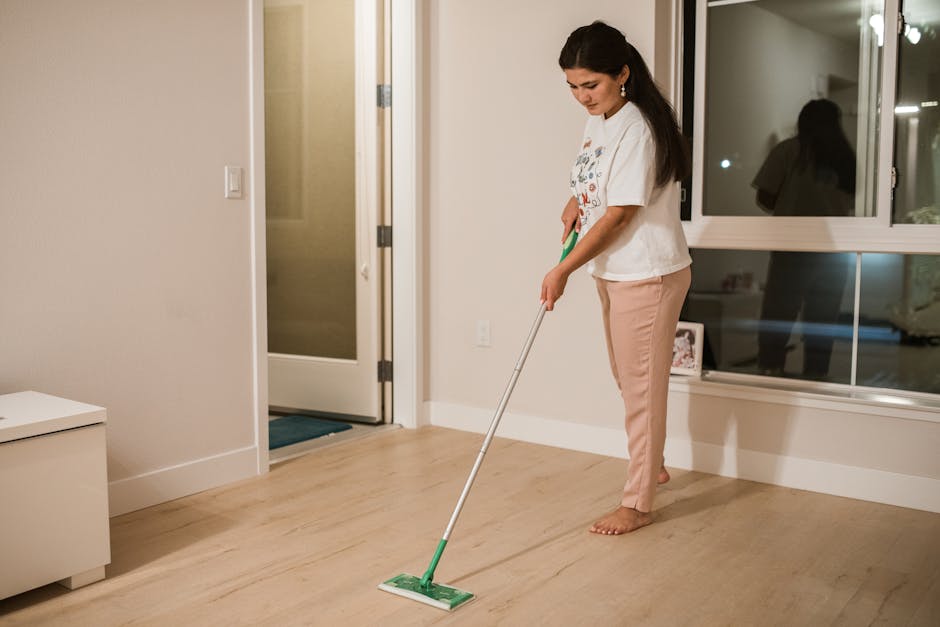
Now that you have the right products, it’s time to focus on technique. A good microfiber mop is an essential tool in your cleaning arsenal. It captures dirt and dust more effectively than traditional mops without pushing the dirt around. I strongly recommend mops with washable pads to reduce waste.
Begin by sweeping your floors to remove loose dirt and dust. After that, dampen your microfiber mop in your cleaning solution, but remember, don’t soak the mop. Excess water is one of the leading causes of streaks. As you mop, work in sections and immediately dry each section with a clean, dry mop pad.
This will help to ensure no water settles and leaves marks.
Additional Tips for Streak-Free Cleaning
Keep in mind that the timing of your cleaning matters. Choose a time of day when there will be natural light streaming through, as this will help you see any streaks before they dry. If you notice any remaining streaks once the floor has dried, quickly going over those areas with a dry microfiber cloth can help remedy the issue.
Lastly, avoid cleaning your hardwood floors too frequently. Just like over-extraction in carpet cleaning, frequent wet cleaning can lead to build-up and damage over time. A good rule of thumb is to deep clean your hardwood floors every couple of months, while regular maintenance can be done weekly or bi-weekly with a dry microfiber mop.
The Final Verdict: Streak-Free Hardwood Floors are Achievable
Achieving streak-free hardwood floors boils down to using the right products and cleaning methods. I’ve shared what works best for me, and I can confidently say that sticking to these eco-friendly, gentle solutions will yield remarkable results. Remember to choose a microfiber mop, use minimal cleaning solution, and dry each section as you go.
For those also dealing with vacuuming issues, I have a detailed guide on that here: How to Vacuum Efficiently Room by Room for a Spotless Home. With these strategies in mind, you’ll maintain beautiful, streak-free hardwood floors effortlessly.
Frequently Asked Questions
Why does my hardwood floor streak after cleaning?
Hardwood floors can streak after cleaning due to the use of too much water, residue from cleaners, or improper application techniques. If the cleaning solution isn't evenly distributed or if the floor isn't dried properly, streaks can form as the cleaner dries.
What is the best cleaner for streak-free wood floors?
The best cleaner for streak-free wood floors is a pH-neutral cleaner specifically designed for hardwood. These cleaners effectively remove dirt without leaving a residue that can cause streaking, while also being gentle on the wood finish.
How often should you clean hardwood floors?
Hardwood floors should generally be cleaned weekly to prevent dirt build-up. However, high-traffic areas may require more frequent cleaning, while less-used areas can be cleaned less often.
Can vinegar help in preventing streaks on wood floors?
While vinegar is often suggested as a natural cleaner, it can actually damage the finish on wood floors over time. It's better to use a cleaner specifically formulated for hardwood to avoid streaks without compromising the wood's durability.
Is steam cleaning suitable for hardwood floors?
Steam cleaning is generally not recommended for hardwood floors because the excessive moisture can damage the wood and loosen its finish. Instead, it's better to use dry or damp mopping methods with appropriate cleaners.



Leave a Reply