


Around 50% of coffee makers contain yeast, mold, and bacteria, highlighting the necessity of regular cleaning for both taste and safety. A thorough cleaning routine can ensure your coffee remains flavorful and your machine stays hygienic. Fortunately, you don't have to rely on vinegar to get the job done effectively.
Here’s how to clean a coffee maker using natural alternatives that are just as effective at removing coffee residue and buildup. You’ll be able to enjoy your morning cup without any unpleasant smells, and you’ll extend the life of your coffee maker.

Materials Needed for Cleaning
Gathering the right materials is your first step. Here’s what you’ll need:
- Baking soda
- Water
- Soft cloth or sponge
- Dish soap (mild)
- Access to a sink for rinsing
This setup avoids the vinegar solution, which some find too pungent, while still ensuring a thorough clean. Baking soda will not only deodorize but also tackle any stubborn stains.
How to Clean a Coffee Maker with Baking Soda
I’ve found that using baking soda is a fantastic alternative to vinegar for cleaning coffee makers. First, disconnect the machine and make sure it’s cool. Remove any remaining coffee grounds from the filter basket. You want to start with a clean slate.
Next, fill the water reservoir halfway with water, then add two tablespoons of baking soda. Run a brew cycle as if you were making coffee. This step is crucial; it helps to break down the coffee residue and buildup inside the machine.
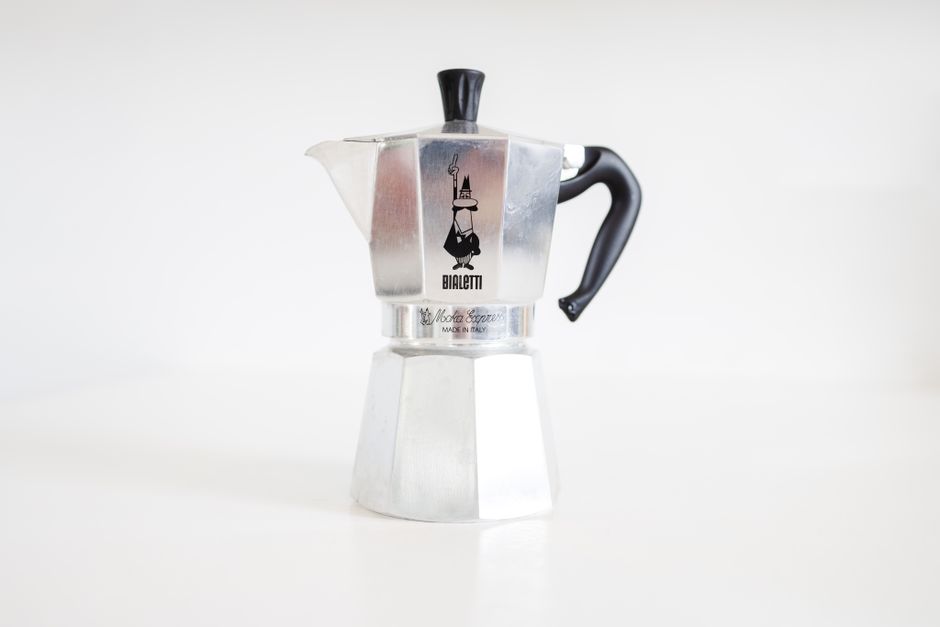
Rinse and Repeat
After the brew cycle completes, discard the coffee and filter the contents in the carafe. Rinse the reservoir thoroughly to remove any residual baking soda. Fill it again with clean water and run another brew cycle to ensure all traces of the baking soda are gone.
Lastly, don’t forget to clean the exterior and any removable parts. Use a damp cloth with a little mild dish soap to wipe down all surfaces. This part ensures that not just the insides but also the outside of your coffee maker looks pristine.
When to Clean Your Coffee Maker
Cleaning frequency can vary depending on usage. If you brew coffee daily, you should perform a thorough cleaning every month. However, if you use it less frequently, a good clean every few months might suffice. Just keep an eye out for changes in flavor; if your coffee starts tasting off, it’s time to clean!
Regular maintenance is key. Many people overlook daily cleaning; even a quick rinse of parts can prevent buildup from coffee oils and limescale.
5 Tips to Avoid Residue Build-Up
To keep your coffee maker in top shape, implement a few simple habits:
- Always use filtered water if possible. This can reduce mineral deposits.
- Make it a habit to remove used grounds and rinse your carafe after each use.
- Use fresh coffee beans; old, stale beans leave more residue.
- Store your coffee maker in a cool, dry place, preventing mold growth.
- Perform quick cleans of parts every week, like rinsing the filter basket.
By applying these practices, you’ll maintain a fresher machine and better taste in your coffee.
If that matters to you, our piece on coffee beans goes further.
The Bottom Line
For a straightforward solution, using baking soda is highly recommended, especially for those sensitive to strong odors. This method not only neutralizes odors but also cleans without harsh chemicals, making it suitable for daily maintenance. By committing to this easy practice, you can enhance your coffee’s taste and prolong the life of your machine. Additionally, if you’re curious about how to clean a coffee maker effectively with vinegar, it’s also a widely recognized method.
Frequently Asked Questions
How often should you clean a coffee maker?
You should clean your coffee maker every month to ensure optimal performance and taste. If you use it daily, consider a more frequent cleaning schedule to prevent buildup.
What can I use instead of vinegar to clean my coffee maker?
You can use citric acid or lemon juice as a natural alternative to vinegar for cleaning your coffee maker. These options help remove mineral deposits and also help to eliminate odors.
Why does my coffee taste bad after cleaning the machine?
If your coffee tastes bad after cleaning, it may be due to leftover cleaning solution that wasn't thoroughly rinsed out. Make sure to run a couple of cycles with plain water to ensure all residues are removed.
Is it safe to use bleach for cleaning a coffee maker?
No, it is not safe to use bleach for cleaning a coffee maker, as it can leave harmful residues and affect the taste of your coffee. Stick to safer, food-grade cleaning agents.
Can you clean a coffee maker with baking soda?
Yes, you can use baking soda to clean your coffee maker, as it effectively removes stains and odors. Mix a couple of tablespoons with water, run it through the machine, and then follow with a rinse cycle using plain water.



Leave a Reply