

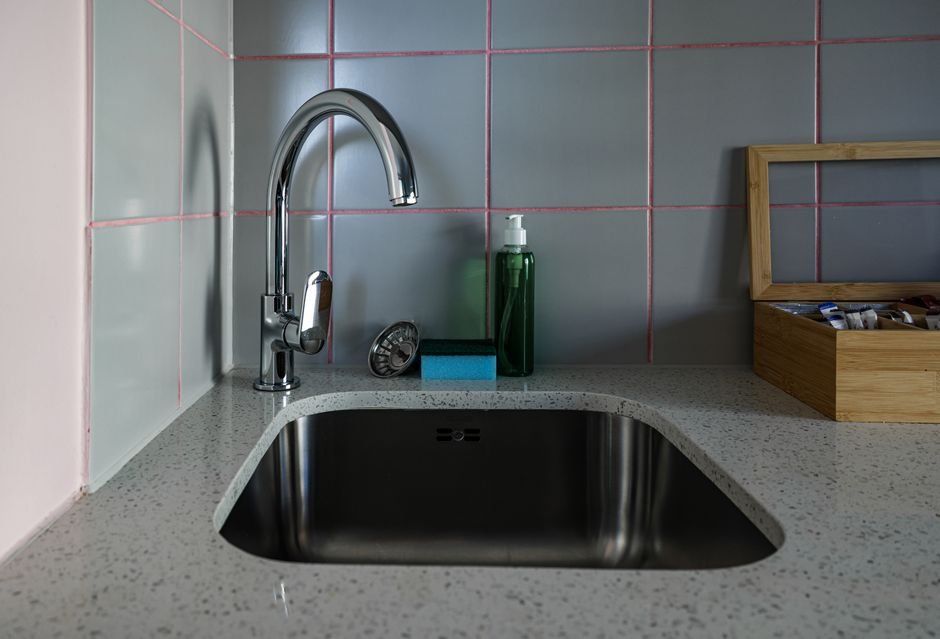
Stainless steel sinks can show wear from daily use, but restoring their shine is achievable with the right approach. By employing common household items and straightforward techniques, you can effectively tackle stains and water marks without damaging the surface.
For anyone who’s had a stainless steel sink, you might have experienced the frustration of stubborn stains and those annoying water spots. Luckily, I’ve gathered some effective methods to help you achieve a spotless sink without damaging it. Let’s break down the best approaches for cleaning stainless steel sinks.

Choosing the Right Cleaner: Non-Abrasive is Key
One of the most important factors in cleaning your stainless steel sink is selecting a non-abrasive cleaner. I’ve used a variety of cleaning products over the years, and I can confidently say that harsh chemicals or scrubbing powders can scratch the surface and ruin its appearance. When shopping for cleaners, look for ones specifically labeled as non-abrasive.
An excellent alternative is a homemade cleaner made from vinegar or dish soap mixed with warm water. I usually combine these in a spray bottle for easy application. Just spray it on your sink, let it sit for a few minutes, and wipe with a soft cloth. This method is gentle yet effective, providing a smooth surface without the risk of scratching.
Tackling Stains and Water Spots
No one enjoys the occasional stains left by food or hard water. When it comes to removing these stubborn marks, I rely on a baking soda scrub. Here’s how it works: sprinkle baking soda directly onto the stained area, then add a few drops of water to create a paste. Gently rub it in with a soft cloth, and rinse thoroughly.
This gives excellent results without ruining the finish of your sink.
For hard water spots, I swear by a solution of equal parts vinegar and water. Spray this mixture generously over the surface and let it sit for about five minutes before wiping it away. The acidity of the vinegar does wonders in breaking down those tough limescale deposits.

Polishing for Shine: The Olive Oil Trick
After cleaning your sink, it’s time to bring back the shine. I’ve discovered that a simple application of olive oil produces beautiful results. Just take a soft cloth, pour a little olive oil on it, and buff the sink. This not only adds a nice sheen but also acts as a barrier against water spots and stains in the future.
It’s a quick and easy step that makes a noticeable difference in appearance.
Alternatively, you can also buy specific stainless steel polish products, but I prefer the natural route whenever possible. Using olive oil is a sustainable choice that’s also effective, saving you money and unnecessary chemicals.
Maintaining Your Sink: Regular Care Is Essential
Keeping your stainless steel sink looking brand new requires regular maintenance. After using your sink for food prep, I recommend rinsing it with warm water and drying it with a soft cloth, this prevents stains and buildup from forming. It sounds simple, but this habit can keep your sink sparkling for longer.
Additionally, once a week, I give my sink a deep clean with the baking soda paste and finish off with the olive oil polish. This regular routine keeps the stainless finish looking fresh and reduces the need for more intensive cleaning every few months.
Avoiding Common Mistakes
Many people make the mistake of using steel wool or abrasive pads, thinking they will get rid of grime more effectively. I can assure you that this is a huge no-no! These materials can scratch and dull your sink’s finish, leading to more problems down the line. Stick with soft sponges and cloths for cleaning, and you’ll avoid unnecessary damage.
Another common oversight is not rinsing thoroughly after cleaning, which can leave residues or streaks. Make it a priority to rinse well. It’s minor, but those little details contribute significantly to the overall appearance of your sink.
Your Go-To Cleaning Schedule
Creating a cleaning schedule specifically for your stainless steel sink can simplify the process. Here’s a simple breakdown of how I keep mine in tip-top shape:
- Daily: Rinse and dry the sink after use.
- Weekly: Deep clean with baking soda scrub and olive oil polish.
- Monthly: Check for mineral buildup and apply vinegar solution if needed.
This schedule helps ensure that your sink remains free of buildup and maintains that shiny look.
Final Verdict: Keep It Simple
For the best results, I recommend using baking soda for stubborn stains along with non-abrasive cleaners for regular maintenance. If you're looking for a natural shine, polishing with olive oil can greatly enhance the appearance. This method works for anyone wanting to preserve their sink's finish without resorting to harsh chemicals. To learn more about how to clean stainless steel sinks, you can visit how to clean stainless steel sinks.
Frequently Asked Questions
What is the best way to clean a stainless steel sink?
The best way to clean a stainless steel sink is to use mild dish soap mixed with warm water and a soft cloth or sponge. After cleaning, rinse thoroughly and dry with a microfiber cloth to prevent water spots.
Why does my stainless steel sink have water spots?
Water spots on a stainless steel sink are usually caused by hard water, which leaves mineral deposits after evaporation. These spots can be more noticeable if the sink is not dried after each use.
How can I make my stainless steel sink shiny?
To make your stainless steel sink shiny, you can apply a small amount of olive oil or mineral oil on a soft cloth and buff the surface. This will enhance the shine while also helping to prevent water spots and fingerprints.
Is it safe to use vinegar on a stainless steel sink?
While vinegar can effectively remove mineral deposits and grime, it should be used sparingly as the acidity can potentially damage the protective layer of stainless steel if left on for too long. Always rinse thoroughly after using vinegar.
Can baking soda damage stainless steel sinks?
Baking soda is generally safe to use on stainless steel sinks, as it is a mild abrasive that helps remove stains without scratching the surface. However, it should not be used in conjunction with acidic cleaners, which could cause damage.



Leave a Reply