

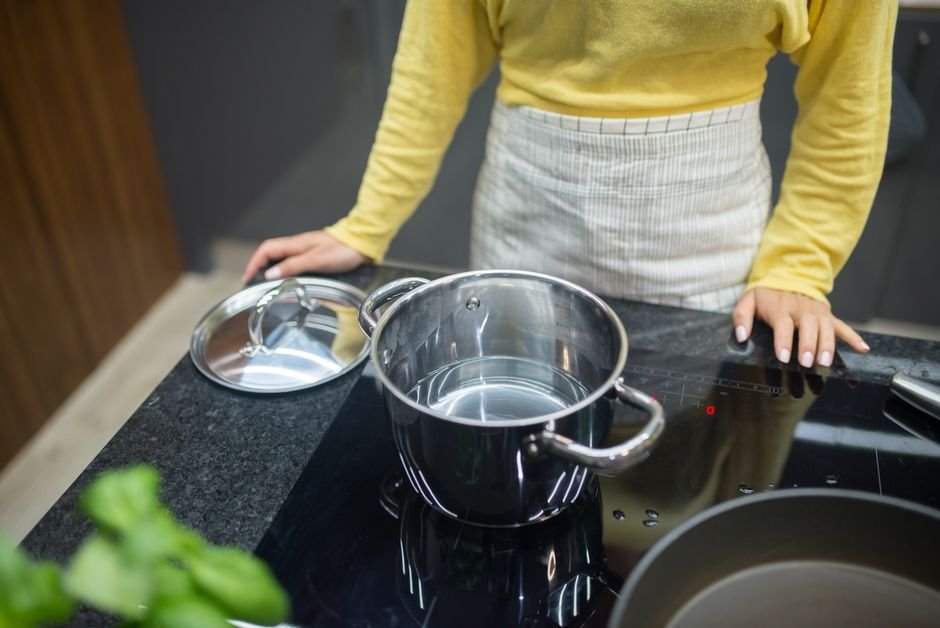
Induction cooktops can reduce cooking time by up to 50% compared to traditional gas or electric stoves. These appliances operate using electromagnetic fields to directly heat pots and pans, resulting in faster meal preparation and increased energy efficiency.
Induction cooktops typically heat up faster than gas or electric stoves. They can boil water in under five minutes, which can save you precious time during meal preparation. However, they require specialized cookware made from ferromagnetic materials, which is something to consider when making the switch.
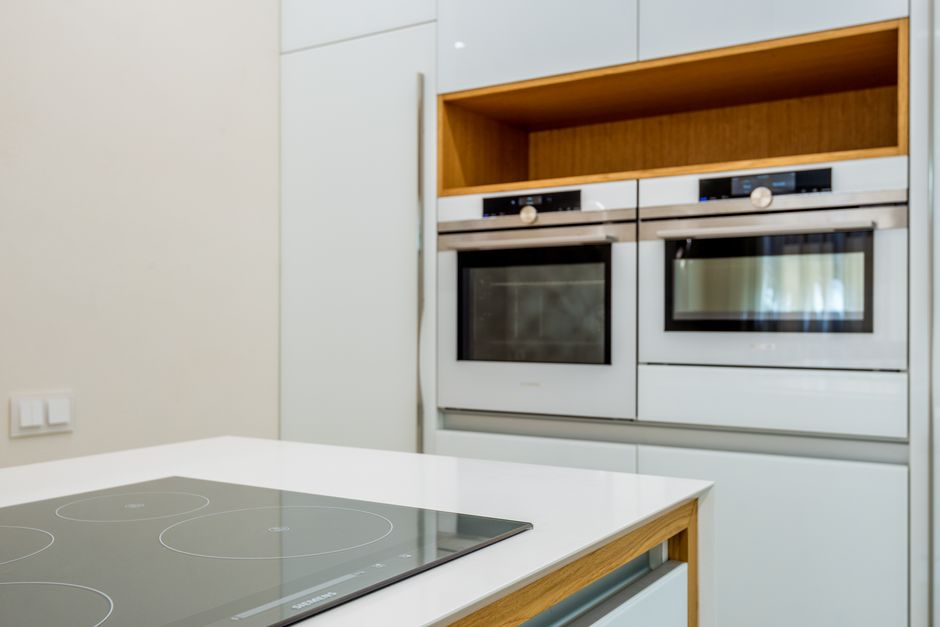
Electromagnetic Induction: The Science Behind Cooking
At the heart of induction cooking is electromagnetic induction, a principle developed in the 19th century. When you place a compatible pot on the cooktop and turn it on, the induction coil beneath the surface generates a high-frequency magnetic field. This field induces an electric current within the pot, which heats the metal and subsequently cooks your food.
This process means that only the area in contact with your cookware gets hot. The cooktop itself remains cool to the touch, vastly reducing the risk of burns. If you have children or pets, this is certainly a comforting benefit. Not only does it make cooking safer, but it also minimizes the energy wasted on heating the surrounding area.
Energy Efficiency: Cooking with Less Waste
One of the standout features of induction cooking is its energy efficiency. Traditional gas stoves can lose up to 40% of their heat to the surrounding air, while induction cooktops deliver about 90% of their energy directly to the pot. This efficiency translates to less electricity or gas consumption, which is especially beneficial if you’re conscious about your energy bills.
Additionally, the precise temperature control of induction cooktops allows for better access to simmering and sautéing without the guesswork. You can maintain low, steady temperatures that are often hard to achieve with other methods. If you’re transitioning from a gas stove, this adjustment can take some getting used to but offers great rewards in the long run.

Cookware Compatibility: What You Need to Know
When it comes to induction cooktops, not just any pot or pan will do. The cookware must be made from ferromagnetic materials like cast iron or certain types of stainless steel. If a magnet sticks to the base of your pot, it will work on an induction surface. So, when considering induction, you’ll need to evaluate your existing cookware.
Buying new cookware doesn’t have to break the bank, as many brands offer induction-compatible options. I personally prefer using a few high-quality cast iron skillets for their durability and excellent heat retention. If you want more recommendations, I have a detailed guide on that here.
Conclusion: Should You Make the Switch?
For those who prioritize speed and energy savings in their cooking, induction cooktops stand out as the best option. Electric coil or gas stoves may suit those who prefer traditional cooking methods, but they fall short in efficiency compared to induction technology.
Frequently Asked Questions
What makes induction cooktops different?
Induction cooktops use electromagnetic energy to heat pots and pans directly, rather than heating the surface of the cooktop itself. This results in faster cooking times and more precise temperature control compared to traditional electric or gas stoves.
Why do some pots not work on induction?
Not all pots are compatible with induction cooktops because they require ferrous metals to create a magnetic field. Cookware made from stainless steel, cast iron, or magnetic stainless steel will work, while aluminum, copper, and glass pans typically will not.
How does an induction stove save energy?
Induction stoves save energy by heating the cookware directly, which minimizes heat loss and increases efficiency. This means that less energy is required to achieve the desired cooking temperature compared to conventional cooking methods. For more information on how does an induction cooktop work, you can check out this article on making the switch.
Is induction cooking faster than gas?
Yes, induction cooking is generally faster than gas because it heats cookware directly and provides instant heat control. This allows for quicker cooking times and reduces waiting periods compared to gas stoves.
Can you use any pan on an induction cooktop?
You cannot use any pan on an induction cooktop; it needs to be made of a magnetic material. To check compatibility, you can use a magnet, if it sticks to the bottom of the pot, it will work on an induction cooktop.



Leave a Reply