

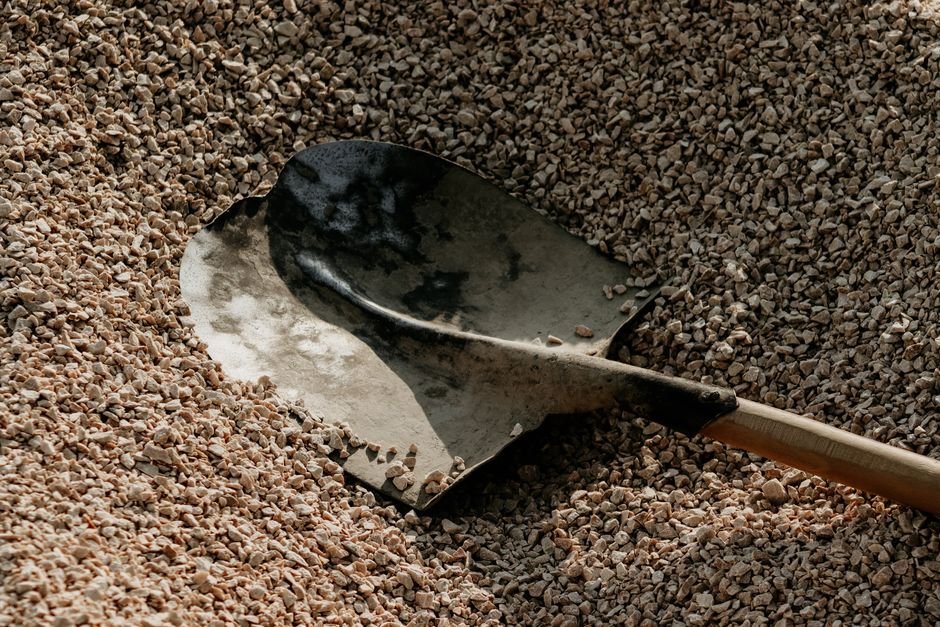
Seventy-five percent of gardeners report using the wrong shovel for their tasks, leading to unnecessary strain and inefficiency. By understanding the essential features of a gardening shovel, you can select the right tool and enhance your gardening experience without the hassle.
I’ve encountered my fair share of gardening tools that promised more than they delivered. Each time, I learned a bit more about what to prioritize when selecting a shovel. Knowing the right specifications not only helps in choosing a shovel that meets your needs but also makes gardening less of a chore and more of a joy.
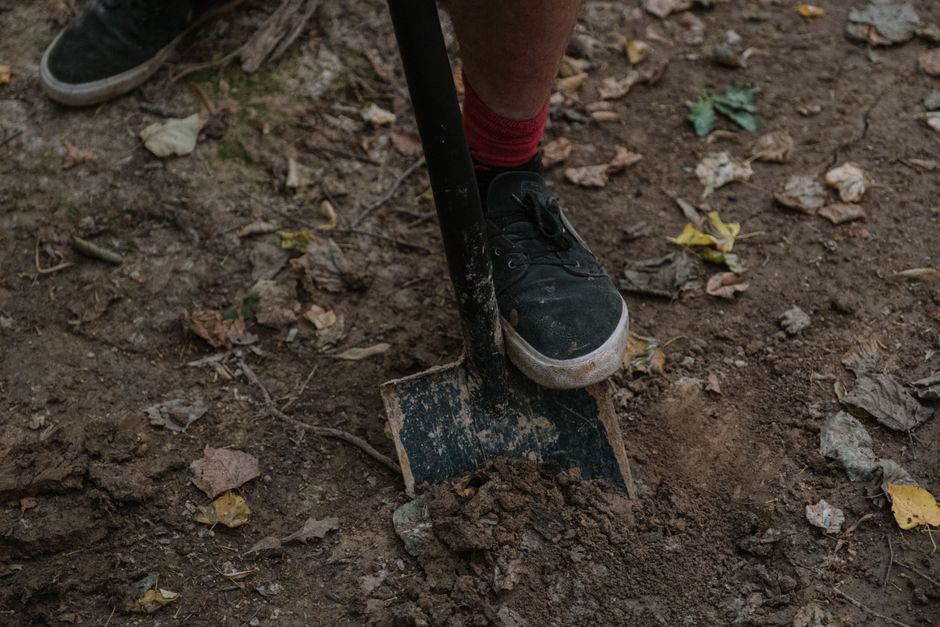
Material Matters: Picking the Right Handle
The handle is the shovel’s backbone, and choosing the right material is crucial. You typically have three choices: wood, fiberglass, and metal. Wooden handles are traditional and often more comfortable to grip, but they can splinter and require more care to maintain.
On the other hand, fiberglass offers lightweight durability and isn’t prone to rust or corrosion, making it a practical choice for many gardeners. Then there’s metal, usually aluminum or steel, which can be sturdy but also heavy.
I generally lean toward fiberglass for its balance between comfort and resilience. If your gardening style involves long hours, consider an ergonomic design, which will also reduce strain on your back and hands. Unfortunately, many overlook this aspect, ending up with sore muscles instead of enjoying their gardening endeavors.
Choosing the Perfect Blade Type
The blade of a shovel dictates its efficiency. Common blade types include pointed and flat blades. Pointed blades are excellent for breaking up soil or digging into compacted ground, while flat blades are more suited for tasks like edging or moving soil. Most novice gardeners mistakenly underestimate the importance of selecting the right blade style for specific tasks, which can lead to diminished results.
If you plan to do diverse gardening, I recommend having at least one of each type. This ensures you’re prepared for whatever task arises, whether it involves turning over soil or shifting mulch. Investing in a shovel that accommodates various tasks is essential; otherwise, you may find yourself stuck with only one option when an alternate is needed.

Length and Size: Get the Fit Right
Many gardeners overlook the importance of shovel length. A shovel that’s too long or too short can lead to awkward lifting and back strain. Generally, you want the shovel to reach your waist, allowing for comfortable leverage. Measuring from the tip of the blade to the handle should give you a sense of what works best for your height.
When considering size, think about the width of the blade as well. A wider blade can move more material but may require more strength to lift. Conversely, a narrower blade is easier to control and maneuver, especially in tight spaces. It’s often worth visiting a local garden center to see how different sizes feel in your hands before making a purchase.
Budget Considerations: Why You Should Spend Wisely
While it’s tempting to buy the cheapest option available, investing a bit more in quality tools pays off in the long run. Higher-quality shovels are made with better materials, meaning they can last for years without breaking or bending. Many gardeners fall into the trap of repeatedly purchasing low-cost shovels that break after a season.
I suggest looking for something around the mid-range price point. Brands with solid reputations often guarantee a better return on investment, saving you from having to replace a broken shovel regularly. Remember to evaluate warranties or guarantees offered, as they often signify the manufacturer’s belief in their product’s durability.
Related reading: right tool for diy.
Related reading: security and convenience.
Final Thoughts: The Right Choice Equals a Happy Gardener
For serious gardeners, a fiberglass shovel with an ergonomic handle is the best choice, as it provides comfort and strength for extended use. If you're budget-conscious, a steel option can work well for occasional digging tasks, while a lightweight aluminum shovel is great for those who prioritize portability.
Frequently Asked Questions
What material is best for shovel handles?
Wooden handles are often preferred for their comfort and shock absorption, while fiberglass handles are lightweight and resistant to weather. Metal handles can be durable but may become cold and heavy during use.
How can I choose a shovel for digging?
Look for a shovel with a strong blade made of durable steel, as this will make digging easier through tough soil. Also, ensure the handle is the right length for your height to avoid strain while working.
Why are there different types of gardening shovels?
Different gardening tasks require specialized tools; for example, certain shovels are designed for digging, while others are better for edging or transplanting. Each type of shovel has features that enhance its performance for specific tasks.
Can a shovel be used for planting?
Yes, shovels can be used for planting, especially when preparing the soil or digging holes. However, for more precise planting tasks, tools like trowels may be more suitable.
Is a pointed or flat shovel better for gardening?
A pointed shovel is generally better for breaking up soil and digging deeper, while a flat shovel is more effective for scooping and moving soil or mulch. Your choice should depend on the specific gardening tasks you intend to carry out.



Leave a Reply