

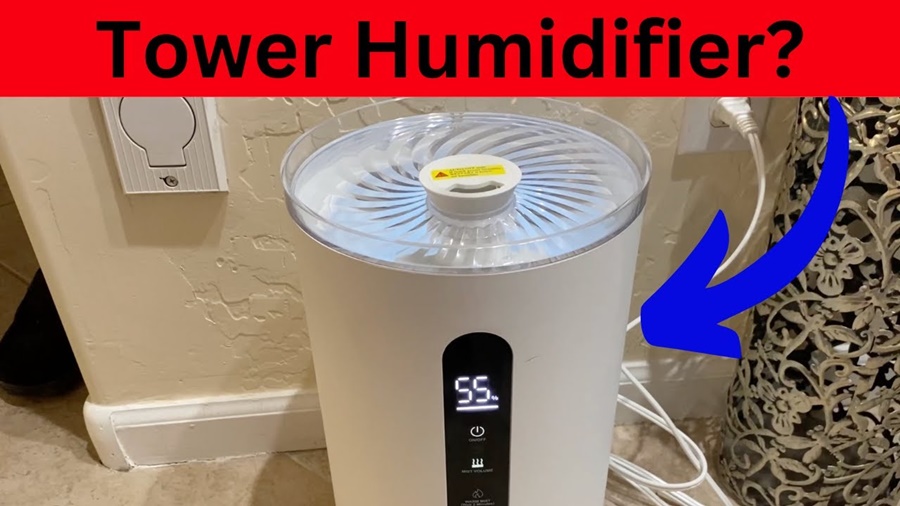
Maintaining proper indoor humidity is essential for comfort, health, and even the longevity of your furniture and home. Humidifiers are a popular solution, but choosing the right type can be confusing. Two common options are console humidifiers and tower humidifiers. While both serve the same purpose adding moisture to the air they differ significantly in design, performance, and ideal use cases.
This article explores the differences in detail to help you decide which one suits your needs best.
What Is a Console Humidifier?
A console humidifier is a large, freestanding unit designed to humidify entire homes or large areas. It often resembles a piece of furniture and may even be built into a decorative wooden cabinet.
Key Features:
- High water capacity (often several gallons)
- Designed for whole-house coverage
- Uses evaporative technology in most cases
- Long runtime (can run for days without refilling)
- Equipped with wheels for mobility
Pros:
- Ideal for large spaces or entire homes
- Requires less frequent refilling
- More powerful output
- Often includes built-in humidistats for automatic control
Cons:
- Bulky and takes up floor space
- More expensive upfront
- Can be noisier than smaller units
- Less portable despite wheels
What Is a Tower Humidifier?
A tower humidifier is a tall, slim, and modern-looking unit designed for small to medium-sized rooms. Its vertical design makes it space-efficient and visually appealing.
Key Features:
- Compact and lightweight
- Sleek, vertical design
- Usually ultrasonic or evaporative
- Moderate water tank capacity
- Quiet operation
Pros:
- Space-saving design, ideal for apartments or bedrooms
- Easier to move and reposition
- Generally quieter
- More affordable than console models
Cons:
- Smaller coverage area
- Requires more frequent refilling
- Less powerful for large spaces
- May lack advanced controls in budget models
Key Differences
1. Coverage Area
- Console humidifiers: Can cover 1,000–3,000+ square feet (whole-house use)
- Tower humidifiers: Best for single rooms (200–800 square feet)
2. Size and Design
- Console: Large, box-shaped, furniture-like
- Tower: Slim, vertical, modern aesthetic
3. Water Capacity
- Console: Large tanks (multiple gallons)
- Tower: Smaller tanks (typically under 2 gallons)
4. Portability
- Console: Heavy, though often has wheels
- Tower: Lightweight and easy to move
5. Noise Levels
- Console: Can be moderately noisy due to fans
- Tower: Generally quieter, especially ultrasonic models
6. Maintenance
- Console: Requires filter replacement and cleaning
- Tower: Easier to clean, though ultrasonic types may need frequent descaling
7. Price Range
- Console: Higher initial cost but better for large-scale use
- Tower: Budget-friendly and widely available
Which One Should You Choose?
Choose a Console Humidifier if:
- You want to humidify a large home or multiple rooms
- You prefer less frequent refilling
- You need powerful, consistent humidity control
- Space is not a concern
Choose a Tower Humidifier if:
- You need a solution for a single room or apartment
- You prefer a compact and stylish design
- You want a quiet device for bedrooms or offices
- You are on a budget
Conclusion
Both console and tower humidifiers have their place, and the right choice depends largely on your space, budget, and specific needs. If you’re looking for whole-home comfort and long runtimes, a console humidifier is the better investment. On the other hand, if convenience, portability, and aesthetics matter more, a tower humidifier is a practical and efficient choice.
Understanding these differences ensures you make a smart purchase that improves your indoor air quality and overall comfort.


Leave a Reply