

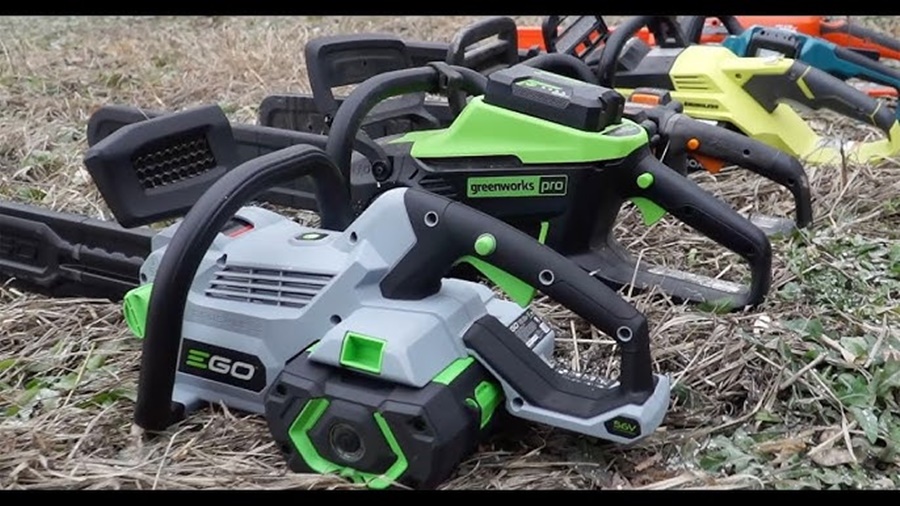
Chainsaws are essential tools for cutting firewood, trimming trees, clearing storm debris, and handling light construction tasks. In recent years, electric chainsaws have become increasingly popular due to their quieter operation, lower maintenance, and environmental benefits compared to gas-powered models. Within the electric category, buyers typically choose between corded electric chainsaws and cordless (battery-powered) chainsaws.
This article provides a detailed comparison of corded electric chainsaws versus cordless chainsaws, examining performance, portability, power, cost, safety, maintenance, and ideal use cases to help you make an informed decision.
Understanding the Two Types
What Is a Corded Electric Chainsaw?
A corded electric chainsaw operates by plugging directly into a standard electrical outlet using an extension cord. It delivers continuous power as long as it remains connected to a power source.
What Is a Cordless Chainsaw?
A cordless chainsaw is powered by a rechargeable lithium-ion battery. It offers freedom of movement without cords but operates only as long as the battery holds a charge.
Power and Performance
Corded Electric Chainsaw Performance
Corded chainsaws provide consistent, uninterrupted power. Since they do not rely on batteries, there is no performance drop during operation. They are well-suited for:
- Medium to heavy cutting tasks
- Continuous work sessions
- Cutting hardwood and thicker branches
Power output is usually measured in amps, typically ranging from 10 to 15 amps, which is sufficient for most residential needs.
Cordless Chainsaw Performance
Cordless chainsaws vary widely in power depending on battery voltage (commonly 18V, 36V, 40V, or higher). While modern battery technology has improved performance significantly, cordless models may:
- Lose power as the battery drains
- Require battery changes for longer jobs
- Struggle with extended heavy-duty cutting
However, high-end cordless chainsaws can match corded models for light to medium tasks.
Portability and Convenience
Corded Chainsaw Portability
Corded models are limited by:
- Extension cord length
- Proximity to a power outlet
- Risk of accidentally cutting the cord
They are best used near buildings, garages, or outdoor power outlets where mobility is less critical.
Cordless Chainsaw Portability
Cordless chainsaws excel in portability. Benefits include:
- Freedom to move anywhere
- Ideal for remote locations
- Easier handling in tight spaces
This makes cordless chainsaws particularly useful for yard work, camping, property maintenance, and emergency storm cleanup.
Runtime and Work Duration
Corded Chainsaw Runtime
Corded electric chainsaws offer unlimited runtime, allowing users to work as long as needed without interruption. This makes them ideal for:
- Long cutting sessions
- Large volumes of wood
- Projects requiring steady performance
Cordless Chainsaw Runtime
Runtime depends on:
- Battery capacity (Ah rating)
- Power demand
- Type of wood being cut
Most cordless chainsaws run between 20 to 60 minutes per charge. Additional batteries can extend usage but add to overall cost.
Weight and Handling
Corded Chainsaw Weight
Corded chainsaws are typically:
- Lighter than gas chainsaws
- Slightly heavier than cordless models without batteries
The absence of a battery keeps the weight moderate, though the cord itself can sometimes interfere with handling.
Cordless Chainsaw Weight
Cordless chainsaws may feel heavier due to:
- Battery weight
- Balanced design differences
Despite this, many users find cordless models easier to maneuver since there is no cord dragging behind.
Maintenance Requirements
Corded Chainsaw Maintenance
Corded electric chainsaws require minimal maintenance:
- No fuel mixing
- No carburetor issues
- Fewer moving parts
Routine tasks include chain sharpening, bar lubrication, and general cleaning.
Cordless Chainsaw Maintenance
Cordless models share the same basic mechanical maintenance but also require:
- Proper battery care
- Charging management
- Battery replacement over time
Lithium-ion batteries degrade eventually, which can be a long-term consideration.
Cost and Value
Cost of Corded Electric Chainsaws
Corded chainsaws are generally more affordable:
- Lower upfront cost
- No battery replacement expenses
- Good value for homeowners with accessible power
They are often the most cost-effective option for regular use near home.
Cost of Cordless Chainsaws
Cordless chainsaws typically cost more due to:
- Battery technology
- Chargers
- Optional spare batteries
However, users already invested in a brand’s battery ecosystem may find cordless chainsaws more economical.
Safety Considerations
Both corded and cordless chainsaws include standard safety features such as:
- Chain brakes
- Hand guards
- Low-kickback chains
- Safety switches
Corded Safety Notes
- Risk of cutting the power cord
- Potential tripping hazard
- Requires careful cord management
Cordless Safety Notes
- No cord-related hazards
- Battery overheating if misused
- Must store batteries properly
Environmental Impact
Corded and cordless chainsaws are more environmentally friendly than gas models:
- No direct emissions
- Quieter operation
- Less vibration
Corded models rely on grid electricity, while cordless models involve battery production and disposal, which can impact the environment if not recycled properly.
Best Use Cases
Choose a Corded Electric Chainsaw If You:
- Work close to a power outlet
- Need continuous power
- Perform long cutting sessions
- Want a budget-friendly option
- Prefer consistent performance
Choose a Cordless Chainsaw If You:
- Need portability and flexibility
- Work in remote or outdoor locations
- Handle light to medium tasks
- Value convenience over runtime
- Already own compatible batteries
Conclusion
Both corded electric chainsaws and cordless chainsaws have clear advantages and limitations. Corded chainsaws offer reliable, continuous power at a lower cost, making them ideal for stationary or extended tasks near home. Cordless chainsaws provide unmatched mobility and convenience, perfect for quick jobs and areas without electricity.
The best choice ultimately depends on how, where, and how often you plan to use your chainsaw. Understanding your specific needs will ensure you select the tool that delivers the best performance, safety, and value for your situation.





Leave a Reply