

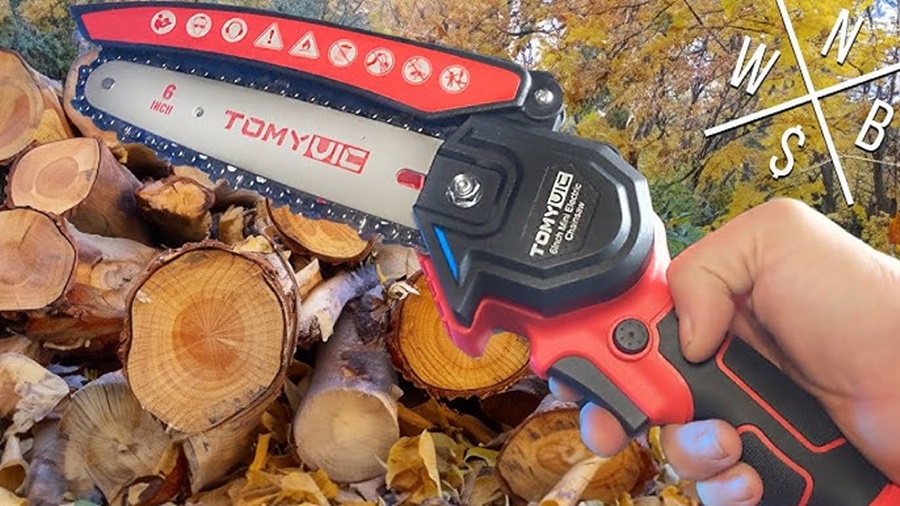
Chainsaws are essential tools for cutting wood, trimming trees, and preparing firewood. They are commonly used in gardening, forestry, construction, and outdoor maintenance. Two main types of chainsaws are widely used today: electric chainsaws and manual chainsaws (also known as hand chainsaws or hand saw chains). Each has its own strengths and weaknesses, making them suitable for different tasks and users.
This article provides a full comparison of electric chainsaws and manual chainsaws, covering their design, performance, safety, cost, maintenance, and best use cases.
What Is an Electric Chainsaw?
An electric chainsaw is a powered cutting tool that uses electricity to drive a motor, which moves the chain around the guide bar. Electric chainsaws can be corded (plugged into a power outlet) or cordless (battery-powered).
They are designed for efficiency and speed, making them popular among homeowners and professionals for light to medium-duty cutting tasks.
Key Features of Electric Chainsaws
- Powered by electricity or rechargeable batteries
- Fast and consistent cutting performance
- Requires minimal physical effort
- Suitable for trimming branches, cutting firewood, and small tree removal
What Is a Manual Chainsaw?
A manual chainsaw is a hand-powered tool that consists of a chain with sharp teeth and handles on each end. The user moves the chain back and forth manually to cut through wood.
Manual chainsaws are simple, lightweight, and do not require fuel, electricity, or batteries.
Key Features of Manual Chainsaws
- Operated entirely by human effort
- Lightweight and portable
- Simple design with no motor
- Often used for camping, survival situations, and light pruning
Performance and Cutting Power
Electric chainsaws offer significantly more cutting power than manual chainsaws. The motor allows the chain to rotate rapidly, enabling quick and clean cuts through thick wood. This makes electric chainsaws ideal for larger tasks and repeated use.
Manual chainsaws rely on physical strength and technique. They are effective for cutting small branches or logs but are much slower and less efficient for larger or harder wood.
Winner: Electric chainsaw
Ease of Use
Electric chainsaws are easier to use for most people. Once powered on, the tool does most of the work, requiring only guidance and control from the user.
Manual chainsaws demand more physical effort, coordination, and stamina. They may cause fatigue during extended use, especially when cutting dense wood.
Winner: Electric chainsaw
Portability
Manual chainsaws are extremely portable. They are lightweight, compact, and can be carried in a backpack. Since they do not need power, they can be used anywhere.
Electric chainsaws are less portable, especially corded models that depend on a power source. Battery-powered versions improve portability but still require charged batteries.
Winner: Manual chainsaw
Safety Considerations
Electric chainsaws are powerful tools and can be dangerous if not handled properly. They pose risks such as kickback, chain injuries, and electrical hazards. Protective gear and proper training are strongly recommended.
Manual chainsaws operate at lower speeds and provide more control, reducing the risk of severe injuries. However, improper handling can still cause cuts or strain injuries.
Winner: Manual chainsaw (lower risk)
Maintenance Requirements
Electric chainsaws require regular maintenance, including:
- Chain sharpening
- Chain lubrication
- Motor and battery care
Manual chainsaws have very simple maintenance needs. Cleaning and occasional sharpening are usually sufficient.
Winner: Manual chainsaw
Cost Comparison
Manual chainsaws are generally inexpensive and affordable for most users. They are a good choice for those on a tight budget.
Electric chainsaws cost more, especially high-quality battery-powered models. However, the higher price often reflects better performance and convenience.
Winner: Manual chainsaw (lower cost)
Environmental Impact
Manual chainsaws are environmentally friendly, producing no emissions and using no electricity or fuel.
Electric chainsaws are cleaner than gas-powered chainsaws but still rely on electricity and battery production, which has some environmental impact.
Winner: Manual chainsaw
Best Use Cases
Choose an Electric Chainsaw If:
- You need fast and efficient cutting
- You handle medium to heavy workloads
- You want less physical strain
- You have access to electricity or charged batteries
Choose a Manual Chainsaw If:
- You need a lightweight and portable tool
- You only cut small branches or logs
- You go camping or hiking
- You want a low-cost and low-maintenance option
Conclusion
Both electric and manual chainsaws serve important purposes, but they are designed for different needs. An electric chainsaw is the better choice for speed, power, and convenience, making it ideal for home maintenance and regular wood-cutting tasks. A manual chainsaw is best for portability, simplicity, and emergency or outdoor use where power is unavailable.
Choosing the right chainsaw depends on your workload, environment, budget, and physical ability. Understanding these differences will help you select the tool that best matches your needs.





Leave a Reply