

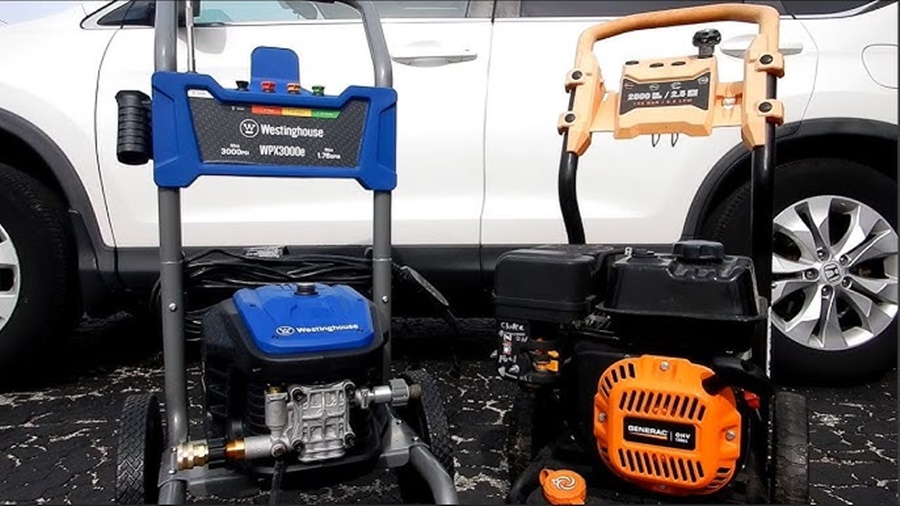
When it comes to cleaning your home’s exterior surfaces whether it’s siding, driveways, patios, decks, fences, or vehicles—pressure washers can save time and effort. However, one of the biggest decisions for homeowners is choosing between a gas-powered pressure washer and an electric-powered pressure washer. Both have advantages and drawbacks, and the right one for you depends on how, where, and how often you’ll use it.
This article explores the key differences, performance factors, costs, maintenance needs, safety, environmental impact, and typical applications to help you make an informed choice.
What is a Pressure Washer?
A pressure washer is a mechanical device that uses pressurized water to blast away dirt, grime, stains, mold, and debris. It consists of:
- A pump
- A motor or engine
- A wand and nozzle
- High-pressure hose
The power source—either gas engine or electric motor—drives the pump that pressurizes the water.
Gas Pressure Washers
How They Work
Gas pressure washers use a gasoline engine (similar to lawn mowers) to power the water pump. Because they don’t require electricity, they’re portable and suitable for outdoor spaces.
Advantages
1. Higher Power Output
- Gas models generally produce higher water pressure (PSI) and water flow (GPM).
- Most gas units range from 2500–4000+ PSI, making them ideal for heavy-duty jobs.
2. Better for Large Areas
- Great for driveways, concrete, large decks, and preparing surfaces for painting or staining.
- Ideal if you have frequent or heavy cleaning tasks.
3. Fully Portable
- No need for an electrical outlet.
- Can be moved around easily on larger properties or remote areas.
Disadvantages
1. Heavier and Bulkier
- Gas models are heavier, louder, and more difficult to maneuver.
- They require proper storage, fuel, and space.
2. More Maintenance
- Engines need regular upkeep: oil changes, spark plug checks, carburetor cleaning, etc.
- Fuel must be stored safely and can go stale.
3. Noisy and Fumes
- Gas engines are loud and produce exhaust fumes.
- Not ideal for enclosed spaces or areas with strict noise regulations.
Electric Pressure Washers
How They Work
Electric pressure washers use an electric motor to drive the pump. They are generally lighter and quieter than gas models.
Advantages
1. Easy to Use
- Plug in, turn on, and start cleaning.
- Minimal maintenance—no oil changes, no fuel, no engine parts.
2. Quiet and Cleaner
- Quieter operation with no exhaust fumes.
- Safer for use near windows, garages, and residential areas.
3. Lightweight and Compact
- Easier to store and carry.
- Great for one-story homes or small yards.
4. More Affordable
- In many cases, electric models cost less upfront than gas pressure washers.
Disadvantages
1. Lower Cleaning Power
- Most electric models produce 1200–2000 PSI, suitable for light to medium jobs.
- Not ideal for heavy concrete cleaning or commercial use.
2. Limited by Power Outlet
- Requires a nearby electrical outlet or extension cord.
- Not practical for large yards without power access.
Performance Comparison
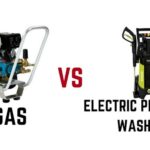
| Feature | Gas Pressure Washer | Electric Pressure Washer |
|---|---|---|
| Power (PSI/GPM) | High (2500–4000+ PSI) | Moderate (1200–2000 PSI) |
| Portability | Very portable (no cords) | Limited by cord length |
| Weight | Heavy | Lightweight |
| Noise | Loud | Quiet |
| Maintenance | High | Low |
| Startup | Pull cord | Electric start |
| Cost | Higher | Lower |
Which One Should You Choose?
Choose a Gas Pressure Washer if:
You often tackle large or tough cleaning jobs.
You need high PSI for stubborn stains on concrete and brick.
You want the flexibility to clean areas without electricity.
You have space and ability to maintain an engine.
Choose an Electric Pressure Washer if:
You want something easy to use with minimal maintenance.
Your pressure washing tasks are light to moderate (decks, cars, patios).
You prefer quiet operation and no fumes.
You have accessible outdoor electrical power.
Typical Home Use Scenarios
Best for Electric Models
- Washing cars, bikes, lawn equipment
- Cleaning patio furniture
- Outdoor furniture and grill cleaning
- Light siding washing
- Decks and fences with mild dirt
Best for Gas Models
- Driveways and concrete cleaning
- Preparing surfaces for repainting or staining
- Cleaning large patios and multiple outdoor areas
- Heavy mud, grease, and oil stains
Safety Considerations
Regardless of type:
- Always wear safety goggles and gloves.
- Never point the wand at people or pets.
- Use correct pressure setting and nozzle.
- Avoid using ladders while pressure washing due to kickback force.
- For electric models, ensure electrical cords and outlets remain dry.
Maintenance Tips
Gas Pressure Washer
- Change engine oil as recommended.
- Clean or replace air filter.
- Flush detergent system after use.
- Winterize if storing for long periods.
Electric Pressure Washer
- Rinse detergent system and lines.
- Store cord carefully to prevent damage.
- Keep unit dry and clean.
Cost Comparison
| Cost Type | Gas Pressure Washer | Electric Pressure Washer |
|---|---|---|
| Initial Purchase | Higher ($300–$1200+) | Lower ($100–$500+) |
| Fuel / Electricity | Fuel cost | Electricity cost |
| Maintenance | Additional (oil, parts) | Minimal |
| Longevity | Long-lasting with care | Long-lasting but lighter duty |
Conclusion
Both gas and electric pressure washers serve valuable purposes for homeowners. Your choice depends on how often and how intensively you plan to use it:
- For everyday, light tasks, easy storage, quiet use, and low maintenance—choose electric.
- For heavier cleaning, large surfaces, and power, greater portability without cords—choose gas.
Understanding how each type works and what you need makes your investment worthwhile and keeps your home looking cleaner with less effort.
Leave a Reply