

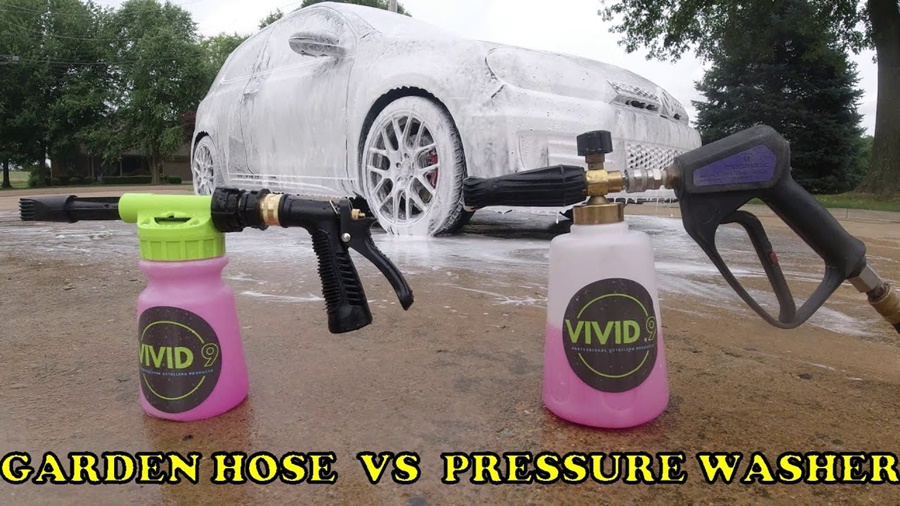
When it comes to outdoor cleaning, two common tools dominate the conversation: the pressure washer and the garden hose. Both are useful, widely available, and effective in their own ways. However, they serve very different purposes. Choosing the right one depends on what you’re cleaning, how often you clean, your budget, and how much power you actually need.
This article breaks down the differences, advantages, disadvantages, and best use cases for each.
What Is a Garden Hose?
A garden hose is a flexible tube that delivers water from your home’s water supply to outdoor areas. Most standard residential hoses operate at water pressures between 40–60 PSI (pounds per square inch), depending on your municipal water supply.
With various nozzle attachments, a garden hose can adjust spray patterns from a gentle mist to a narrow stream.
Advantages of a Garden Hose
- Affordable and widely available
- Easy to use and store
- Safe for delicate surfaces
- Versatile for watering plants and light cleaning
- Requires no electricity or fuel
Limitations of a Garden Hose
- Limited cleaning power
- Struggles with stubborn dirt, mold, grease, or stains
- Takes longer to clean large or heavily soiled areas
What Is a Pressure Washer?
A pressure washer is a powered cleaning machine that uses a motor (electric or gas) to pump water at very high pressure. Residential pressure washers typically operate between 1,300–3,000 PSI, which is dramatically stronger than a standard garden hose.
Some models also allow detergent injection for enhanced cleaning.
Advantages of a Pressure Washer
- Extremely powerful cleaning capability
- Removes tough grime, mold, algae, oil stains, and paint
- Saves time on large surfaces
- Great for deep cleaning outdoor areas
Limitations of a Pressure Washer
- More expensive than a garden hose
- Requires power (electric outlet or gasoline)
- Can damage surfaces if used improperly
- Heavier and bulkier to store
Key Differences
1. Water Pressure
- Garden hose: 40–60 PSI
- Pressure washer: 1,300–3,000+ PSI
The pressure washer delivers up to 50 times more force than a garden hose.
2. Cleaning Ability
A garden hose is suitable for:
- Rinsing dirt off patios
- Washing cars (with care)
- Cleaning outdoor furniture
- Watering plants
A pressure washer is better for:
- Driveways with oil stains
- Moldy decks
- Concrete sidewalks
- Fences
- Exterior house siding
3. Cost
- Garden hose: Typically inexpensive
- Pressure washer: Higher upfront cost, especially gas models
However, if you regularly need deep cleaning, a pressure washer may save money in the long run by reducing professional cleaning costs.
4. Ease of Use
Garden hoses are simple: turn on the faucet and spray.
Pressure washers require:
- Setup
- Hose connection
- Power source
- Correct nozzle selection
- Safety precautions
5. Risk of Damage
A garden hose is unlikely to cause damage.
A pressure washer can:
- Strip paint
- Crack wood
- Damage siding
- Force water behind surfaces
- Cause injury if misused
Proper technique and correct PSI settings are essential.
When to Choose a Garden Hose
Choose a garden hose if:
- You mainly water plants.
- You need light cleaning.
- You want a simple, low-maintenance tool.
- You rarely deal with tough stains.
- You’re cleaning delicate surfaces like vehicles or painted furniture.
A hose is perfect for routine maintenance and everyday outdoor tasks.
When to Choose a Pressure Washer
Choose a pressure washer if:
- You have mold, mildew, or algae buildup.
- Your driveway or patio has deep stains.
- You want to prepare surfaces for painting.
- You clean large outdoor areas frequently.
- You need serious cleaning power.
Pressure washers are ideal for deep, seasonal cleaning.
Can You Replace a Pressure Washer with a Hose?
In most cases, no.
While high-pressure spray nozzles can increase hose performance slightly, they cannot match the mechanical pump power of a true pressure washer. For deeply embedded dirt or stains, a garden hose simply won’t deliver the force required.
Can a Pressure Washer Replace a Garden Hose?
Not entirely.
Pressure washers are not ideal for watering plants or gentle rinsing. The high pressure can damage landscaping and delicate materials. Most homeowners benefit from having both tools for different purposes.
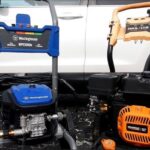
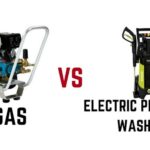
Electric vs. Gas Pressure Washers
If you decide on a pressure washer, you’ll need to choose between electric and gas models.
Electric pressure washers:
- Quieter
- Lighter
- Lower maintenance
- Suitable for small to medium tasks
Gas pressure washers:
- More powerful
- Portable (no cord)
- Better for large or commercial jobs
- Require more maintenance
For most homeowners, an electric model is sufficient.
Safety Considerations
Pressure washers require careful handling:
- Never point at people or pets.
- Wear protective eyewear.
- Use the correct nozzle.
- Maintain proper distance from surfaces.
- Avoid using on fragile materials.
Even residential models can cause serious injury if misused.
Garden hoses present minimal safety risk in comparison.
Environmental Considerations
Pressure washers may use less water per minute than a running garden hose because they clean faster. However, improper use can waste water or cause chemical runoff if detergents are involved.
Garden hoses may run longer but use lower pressure.
Using either tool responsibly is key to reducing environmental impact.
Conclusion
There is no universal winner it depends on your needs.
If you want convenience, affordability, and light-duty cleaning, a garden hose is the better choice.
If you need powerful, efficient deep cleaning for hard surfaces, a pressure washer is worth the investment.
For many homeowners, the ideal solution is having both: a garden hose for daily tasks and a pressure washer for occasional heavy-duty cleaning.
Choosing the right tool ultimately comes down to how much cleaning power you truly need.
Leave a Reply