

When it comes to heavy-duty cleaning, two terms are often used interchangeably: pressure washer and water blaster. While many people assume they are the same, there are subtle differences in usage, terminology, and performance depending on region and equipment type.
In this article, we’ll break down the differences, similarities, pros and cons, and help you decide which option is best for your cleaning needs.
What Is a Pressure Washer?
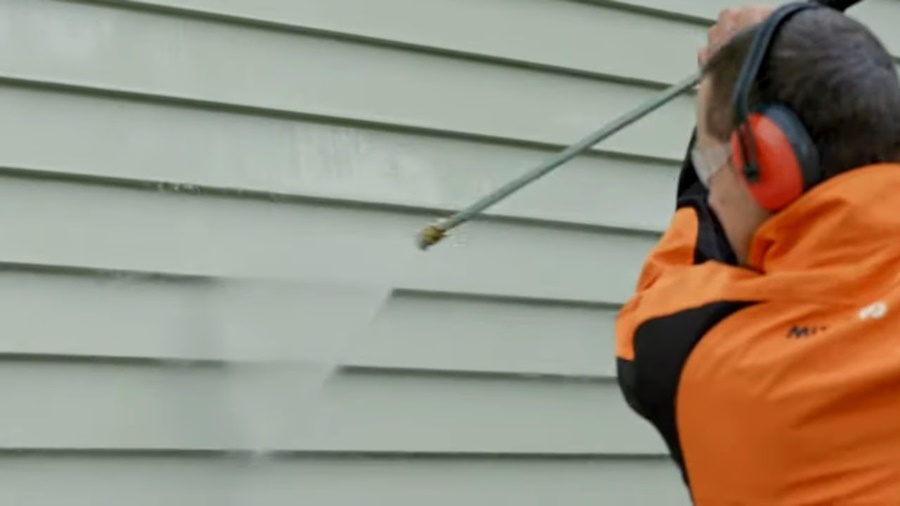
A pressure washer is a machine that uses a high-pressure stream of water to remove dirt, grime, mold, paint, mud, and other debris from surfaces. It uses a motor (electric or gas-powered) to pressurize water through a pump and spray it through a nozzle.
Key Features:
- Measured in PSI (pounds per square inch) and GPM (gallons per minute)
- Available in electric and gas models
- Often includes adjustable spray nozzles
- Can be used with cleaning detergents
Common Uses:
- Cleaning driveways and sidewalks
- Washing cars and trucks
- Cleaning decks and patios
- Removing mold and mildew from siding
Pressure washers typically range from 1,300 PSI (light-duty) to 4,000+ PSI (commercial-grade).
What Is a Water Blaster?
The term water blaster is often used as a regional synonym for a pressure washer, particularly in countries like Australia and New Zealand. However, in some contexts, it can also refer to higher-powered industrial machines used for extreme cleaning tasks.
Key Features:
- Can refer to standard household pressure washers
- May also describe ultra-high-pressure industrial units
- Focused on blasting away tough buildup
Common Uses:
- Heavy industrial cleaning
- Removing thick grease or coatings
- Cleaning construction equipment
- Surface preparation before painting
In industrial settings, water blasters can exceed 10,000 PSI, making them significantly more powerful than typical residential pressure washers.
Pressure Washer vs Water Blaster: Main Differences
| Feature | Pressure Washer | Water Blaster |
|---|---|---|
| Terminology | Common in US & UK | Common in Australia/NZ |
| Power Range | 1,300–4,000 PSI (residential) | Can exceed 10,000 PSI (industrial) |
| Typical Use | Home & light commercial | Industrial or heavy-duty cleaning |
| Equipment Size | Portable & compact | Often larger, industrial-grade |
| Cost | Affordable for homeowners | Can be expensive for industrial units |
In many cases, the difference is simply terminology. However, when used in industrial contexts, a water blaster may imply significantly higher power.
Types of Pressure Washers (and Water Blasters)
1. Electric Models
- Lightweight
- Quieter
- Ideal for home use
- Lower PSI range
Best for:
- Cars
- Outdoor furniture
- Small patios
2. Gas-Powered Models
- More powerful
- Portable (no power cord required)
- Higher PSI output
Best for:
- Large driveways
- Deck restoration
- Paint removal
3. Industrial/Commercial Units
- Extremely high PSI
- Built for durability
- Designed for professional contractors
Best for:
- Construction sites
- Factory cleaning
- Heavy equipment maintenance
Pros and Cons
Pressure Washer Pros:
Easy to use
Widely available
Affordable options for homeowners
Versatile for many household tasks
Pressure Washer Cons:
Can damage surfaces if misused
Gas models can be noisy
Requires water source and setup time
Water Blaster Pros:
Extremely powerful (industrial models)
Effective on tough grime and coatings
Suitable for large-scale jobs
Water Blaster Cons:
Expensive industrial versions
May require professional training
High risk of surface damage if improperly used
Which One Should You Choose?
Choose a Pressure Washer If:
- You need it for home cleaning tasks
- You want something affordable and easy to store
- You’re cleaning vehicles, patios, siding, or fences
Choose a Water Blaster If:
- You’re in an industrial or commercial setting
- You need ultra-high-pressure cleaning
- You’re removing thick coatings or heavy industrial buildup
For most homeowners, a standard pressure washer is more than sufficient.
Safety Considerations
Regardless of what you call it, these machines are powerful and can cause injury or damage if misused.
Always:
- Wear protective eyewear
- Avoid pointing the spray at people or pets
- Test pressure on a small area first
- Use the correct nozzle for the surface
High-pressure water can cut skin and damage wood, paint, or delicate materials if used incorrectly.
Conclusion
In many cases, “pressure washer” and “water blaster” mean the same thing. The difference often comes down to regional language. However, in industrial contexts, a water blaster may refer to a much more powerful, specialized machine.
If you’re a homeowner looking to clean your driveway or car, a standard pressure washer will meet your needs. If you’re tackling industrial-scale cleaning, a heavy-duty water blaster might be the right tool.
Understanding your cleaning requirements, budget, and safety considerations will help you choose the best machine for the job.

Leave a Reply