

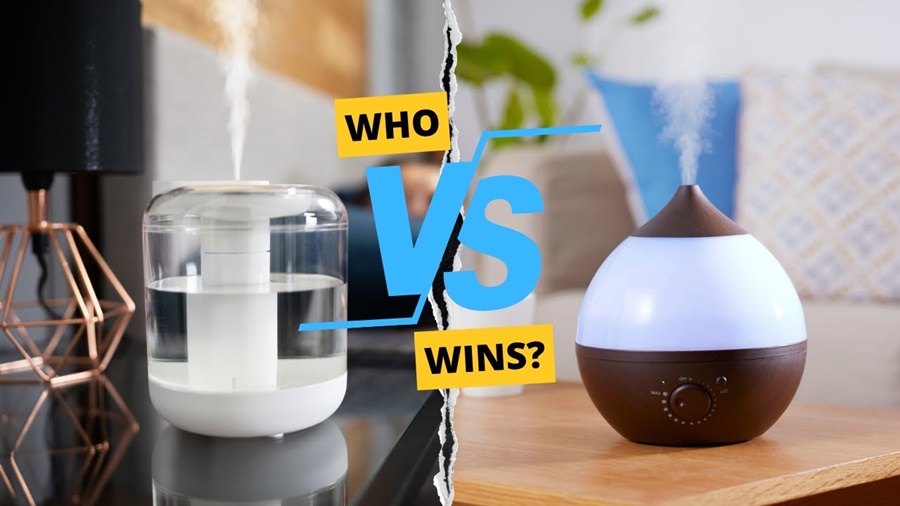
Maintaining proper indoor humidity is essential for comfort, respiratory health, and protecting furniture. Two of the most common types of cool-mist humidifiers are ultrasonic and evaporative models. While both serve the same purpose adding moisture to the air they work in very different ways and suit different needs.
This article provides a full, in-depth comparison to help you understand which type is best for your home.
1. How Each Humidifier Works
Ultrasonic Humidifier
An ultrasonic humidifier uses high-frequency sound vibrations to break water into ultra-fine droplets, which are released as a cool mist into the air.
- No heating element
- Produces visible mist
- Uses a vibrating diaphragm
Evaporative Humidifier
An evaporative humidifier uses a fan and a wet wick filter to naturally evaporate water into the air.
- Air passes through a soaked filter
- Water evaporates and becomes vapor
- No visible mist (in most cases)
2. Key Differences at a Glance
| Feature | Ultrasonic Humidifier | Evaporative Humidifier |
|---|---|---|
| Working Method | Sound vibrations create mist | Fan evaporates water |
| Noise Level | Very quiet | Moderate (fan noise) |
| Maintenance | Frequent cleaning | Filter replacement needed |
| Energy Use | Low (efficient) | Slightly higher |
| Size | Compact | Bulkier |
| Cost | Lower upfront | Higher upfront + filters |
| Water Type | Needs distilled (recommended) | Works with tap water |
3. Advantages of Ultrasonic Humidifiers
1. Extremely Quiet Operation
Ultrasonic units are almost silent because they don’t use a fan, making them ideal for bedrooms and offices.
2. Energy Efficient
They consume less electricity compared to fan-based systems.
3. Compact and Stylish
These humidifiers are usually smaller, lightweight, and aesthetically pleasing.
4. Affordable
They generally cost less upfront and don’t require filter replacements.
4. Disadvantages of Ultrasonic Humidifiers
1. White Dust Issue
They can release minerals from tap water into the air, forming white dust on surfaces.
2. Requires Distilled Water
To avoid mineral buildup and airborne particles, distilled water is recommended.
3. Frequent Cleaning Needed
Without proper cleaning, bacteria and mold can grow inside the tank.
5. Advantages of Evaporative Humidifiers
1. Better Air Quality
The wick filter traps minerals and impurities, reducing airborne particles.
2. No White Dust
Unlike ultrasonic models, they don’t disperse minerals into the air.
3. Self-Regulating Humidity
Evaporative humidifiers naturally stop adding moisture when the air reaches optimal humidity levels.
4. Suitable for Large Rooms
They are typically more powerful and cover larger spaces effectively.
6. Disadvantages of Evaporative Humidifiers
1. Noisy Operation
The fan produces noticeable sound, especially at higher speeds.
2. Filter Replacement Cost
Filters need to be replaced every 1–3 months, adding ongoing expenses.
3. Bulkier Design
They are generally larger and less portable.
7. Maintenance Comparison
Ultrasonic:
- Clean tank frequently (every few days recommended)
- Use distilled water to reduce residue
- Risk of bacterial buildup if neglected
Evaporative:
- Replace filters regularly
- Clean unit weekly
- Less mineral buildup but still needs care
Proper maintenance is essential for both types to prevent mold and bacteria growth.
8. Health & Safety Considerations
- Ultrasonic humidifiers may release airborne minerals and microorganisms if not properly maintained.
- Evaporative humidifiers are generally considered safer for air quality due to filtration.
Using clean water and regular cleaning is critical regardless of type.
9. Noise Comparison
- Ultrasonic: Almost silent (ideal for sleeping)
- Evaporative: Produces white noise due to fan
If you’re sensitive to sound, ultrasonic is the better option.
10. Cost Comparison
- Ultrasonic: Lower upfront cost, no filters
- Evaporative: Higher initial cost + recurring filter expenses
However, long-term costs may balance out depending on usage and maintenance.
11. Which One Should You Choose?
Choose Ultrasonic If:
- You want a quiet humidifier
- You prefer a compact design
- You can use distilled water regularly
- You need something for a bedroom or small room
Choose Evaporative If:
- You want better air quality
- You prefer using tap water
- You need large room coverage
- You don’t mind fan noise or filter changes
Conclusion
Choosing between an ultrasonic humidifier and an evaporative humidifier ultimately comes down to your specific needs, environment, and preferences. Both types effectively add moisture to the air, but they differ in how they operate, the level of maintenance required, and the overall user experience.
Ultrasonic humidifiers are ideal for those who value quiet performance, energy efficiency, and a compact design. They are especially well-suited for bedrooms, offices, or small spaces where noise can be a concern. However, they require careful maintenance and the use of distilled water to avoid issues like white dust and potential air contamination.
On the other hand, evaporative humidifiers are a better choice for users who prioritize cleaner air and ease of use with regular tap water. Their natural self-regulating process helps prevent over-humidification, making them a reliable option for larger rooms. The trade-offs include higher noise levels due to the fan and ongoing costs for filter replacements.



Leave a Reply