

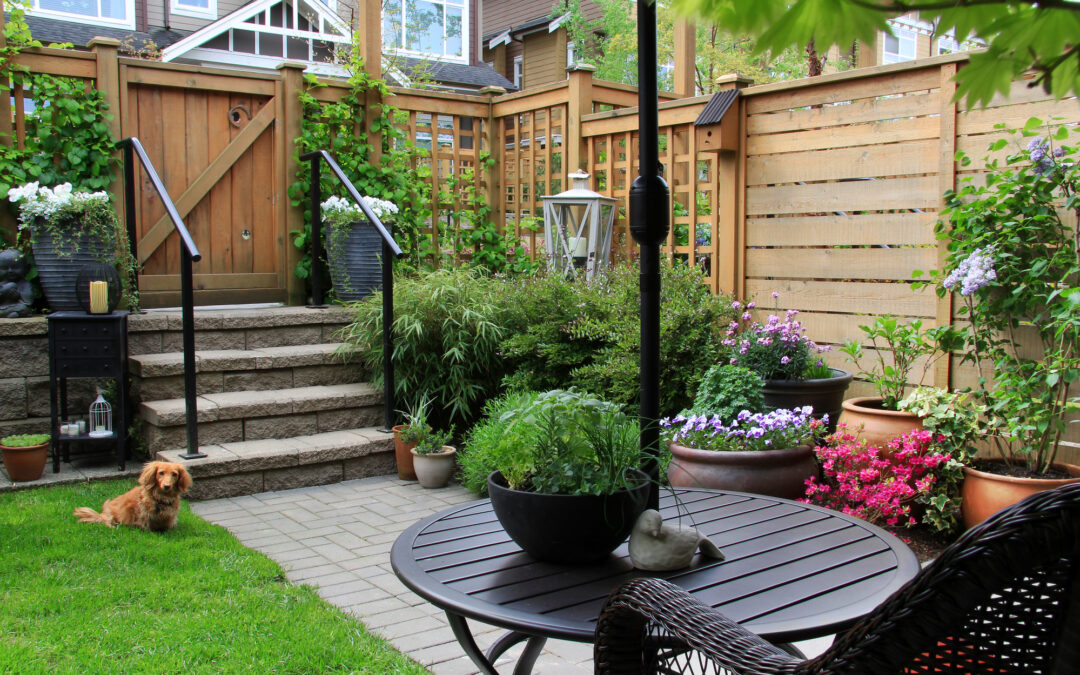
Whether you’re designing a patio, balcony, or small yard, here’s how to create an outdoor space that’s low-effort but still looks great. Dreaming of a backyard you’ll actually enjoy—not spend all weekend maintaining? The secret is smart planning and choosing materials that do the heavy lifting for you.
Why Low-Maintenance Design Matters
Outdoor areas should be a place to relax, not a second job. With the right setup, you can cut down on chores like mowing, watering, scrubbing, and repairing—leaving more time for lounging and less time with a leaf blower.
Choose Durable, Low-Maintenance Materials
Use Composite or Stone Decking
Unlike wood, composite decking won’t splinter, rot, or need staining. It resists mold and fading, and cleans easily with soap and water. Stone patios are also weatherproof and require minimal upkeep.
Select All-Weather Furniture
Go for furniture made from powder-coated aluminum, resin wicker, or teak—materials that resist rust, fading, and mold. Add cushions with UV- and water-resistant fabric so you don’t have to drag them inside every time it clouds over.
Install Artificial Turf or Low-Growth Ground Cover
If you’re tired of mowing or patchy grass, consider synthetic turf or ground covers like clover or creeping thyme. These alternatives stay green, are pet-friendly, and need almost no upkeep.
Simplify Your Planting Strategy
Choose Native and Drought-Tolerant Plants
Native plants are adapted to your climate and typically need less water and fertilizer. Drought-tolerant options like lavender, ornamental grasses, or succulents are beautiful and hardy—even in heat.
Use Mulch to Suppress Weeds
A thick layer of mulch not only looks neat, but it also prevents weeds, retains moisture, and reduces how often you need to water your beds.
Install a Drip Irrigation System
Skip the hose—drip irrigation delivers water exactly where it’s needed and saves time, especially for container gardens or flower beds.
Design With Clean-Up in Mind
Go for Open Layouts
Avoid too many tight corners or cluttered pathways. Simpler layouts are easier to sweep, hose down, and keep tidy.
Add Storage for Tools and Cushions
Built-in benches with hidden storage or a simple deck box can keep garden tools, hoses, or cushions tucked out of sight and protected from the weather.
Keep Surfaces Easy to Rinse
Use materials like sealed concrete, pavers, or composite decking that you can clean with just a quick sweep or spray from a hose.
Lighting and Decor With Less Fuss
- Use solar-powered lights—no wiring, low upkeep
- Hang fade-resistant outdoor curtains or shades
- Choose low-voltage landscape lighting for safe, energy-efficient accents
Common Mistakes to Avoid
One common mistake is choosing too many plants without considering their care needs. Overcrowding your garden with various species can lead to difficulties in maintenance. Instead, pick a few low-maintenance varieties that complement each other.
Another pitfall is neglecting drainage solutions. Poor water flow can lead to muddy spots and will increase the need for repairs. Ensure you have proper grading or install a drainage system to handle heavy rain efficiently.
Comparing Costs: Low-Maintenance vs. Traditional Outdoor Spaces
The upfront cost of a low-maintenance outdoor setup can be higher, especially when using materials like composite decking or synthetic turf. However, consider the long-term savings in both time and money. Traditional setups often require more ongoing expenses for lawn care and plant upkeep.
For example, while natural sod may cost around $1 per square foot, artificial turf can range from $5 to $20 per square foot. This might seem steep, but with no watering or mowing, artificial turf pays off in the long run.
Additionally, long-lasting materials often come with warranties. Composite decking, for instance, can last 25 years, whereas traditional wood might require replacement in 10 to 15 years. Over time, these savings can offset initial investments. You can also explore ways to turn your boring backyard into a designer outdoor living space.
Maintenance Preferences: Tailoring to Your Lifestyle
Consider how much time you want to invest in your outdoor areas. If you desire minimal upkeep, opt for features like gravel pathways or concrete patios. These require little maintenance and allow for easy cleanup.
For those who enjoy gardening but still prefer simplicity, focus on container gardening. Use self-watering pots to reduce the frequency of irrigation. Vegetable plants such as tomatoes or peppers can thrive this way, providing enjoyment without extensive labor.
Your lifestyle can heavily influence your choices. Busy individuals or families with young children often benefit from spacious, durable surfaces and easy-to-maintain plants. On the other hand, retirees with more time might enjoy a small, beautifully curated garden.
For more, read about indoor vs outdoor.
Final Thoughts
A beautiful outdoor space doesn’t have to come with a maintenance checklist. With smart materials, thoughtful planting, and a few time-saving upgrades, you can enjoy your yard or patio more—and work on it less. The key is to think ahead and invest in things that last.
Looking for low-maintenance furniture, tools, or outdoor gear? Check out our top picks in Outdoor Essentials.





Leave a Reply