

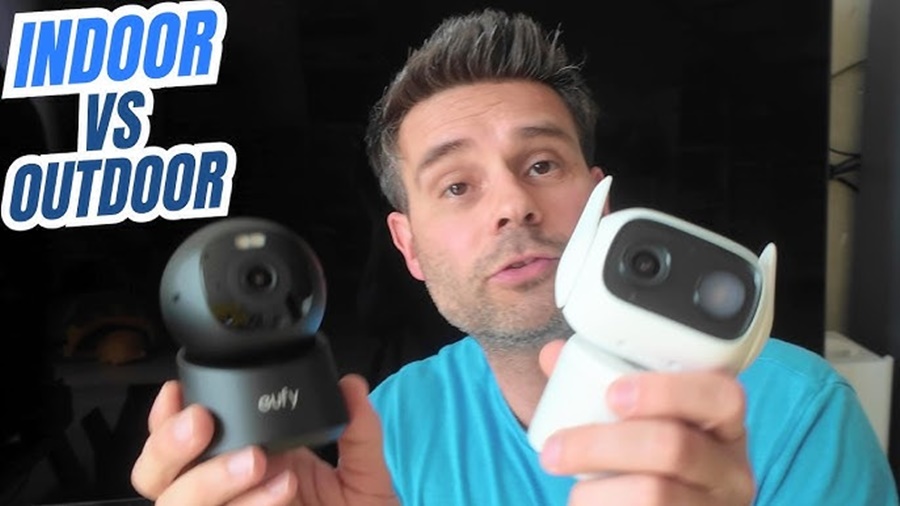
Security cameras have become an essential part of modern home and business protection. Whether you want to monitor your living space, deter theft, or keep an eye on deliveries, choosing the right type of camera is crucial. One of the first decisions you’ll need to make is whether to use indoor or outdoor security cameras.
While both serve the same core purpose surveillance they are designed for very different environments and needs.
This article explores the differences, advantages, disadvantages, and best use cases for indoor and outdoor security cameras to help you make an informed decision.
What Are Indoor Security Cameras?
Indoor security cameras are designed specifically for use inside buildings. They are typically compact, lightweight, and easy to install. These cameras are commonly used to monitor living rooms, hallways, offices, and other interior spaces.
Key Features of Indoor Cameras
Indoor cameras often focus on convenience and flexibility. Many come with features such as:
- Two-way audio for communication
- Motion detection alerts
- Night vision for low-light conditions
- Cloud or local storage options
- Smart home integration
Advantages of Indoor Cameras
One major benefit of indoor cameras is their ease of installation. Most models are plug-and-play, requiring minimal setup. They are also more affordable compared to outdoor cameras because they do not need weatherproofing or heavy-duty construction.
Indoor cameras are ideal for monitoring children, elderly family members, or pets. They can also help you keep track of household activities when you are away.
Limitations of Indoor Cameras
Indoor cameras are not designed to withstand harsh environmental conditions. They lack protection against rain, dust, and extreme temperatures. Using them outdoors can damage the device and void warranties.
Additionally, indoor cameras typically have a narrower field of view compared to outdoor models, making them less suitable for large areas.
What Are Outdoor Security Cameras?
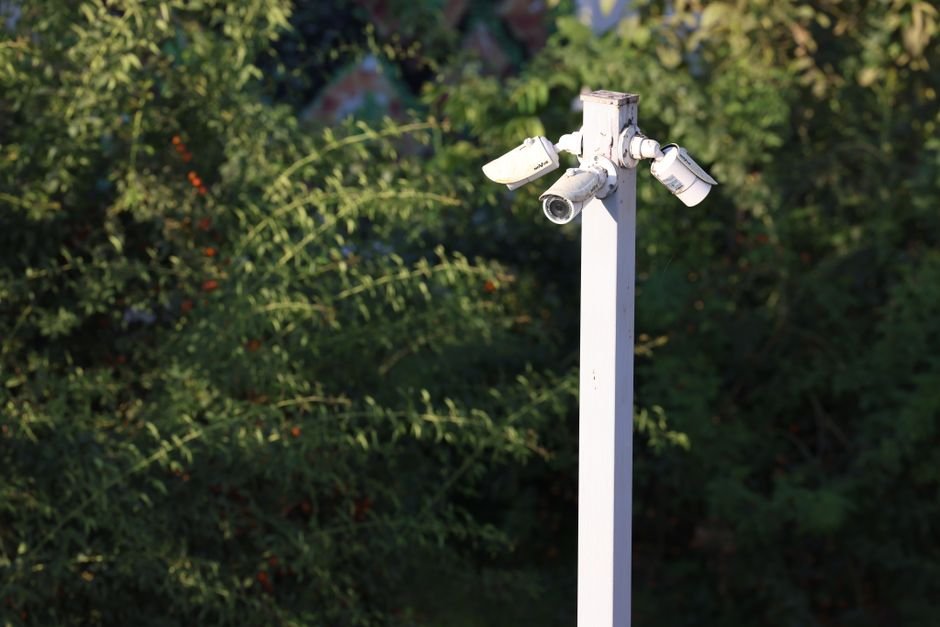
Outdoor security cameras are built to monitor the exterior of a property. They are designed to handle various weather conditions and provide a wider coverage area.
Key Features of Outdoor Cameras
Outdoor cameras are more rugged and come equipped with features such as:
- Weatherproof and dust-resistant housing
- Wide-angle lenses for larger coverage
- Infrared or color night vision
- Motion-activated lighting or sirens
- Higher durability and longer lifespan
Advantages of Outdoor Cameras
The biggest advantage of outdoor cameras is their ability to act as a deterrent. Visible cameras can discourage potential intruders before any crime occurs.
They are also designed for continuous operation in challenging conditions, including rain, heat, and cold. Many outdoor cameras offer higher resolution and advanced motion detection, which helps capture clearer footage over longer distances.
Outdoor cameras are ideal for monitoring entrances, driveways, parking areas, and backyards.
Limitations of Outdoor Cameras
Outdoor cameras are generally more expensive due to their durable build and advanced features. Installation can also be more complex, often requiring drilling, mounting, and weatherproof wiring.
Because they are exposed, outdoor cameras may be vulnerable to tampering or theft if not installed properly.
Key Differences Between Indoor and Outdoor Cameras
Understanding the differences between indoor and outdoor cameras helps clarify which one suits your needs.
1. Build and Durability
Indoor cameras are lightweight and not built for harsh conditions. Outdoor cameras, on the other hand, are rugged and weather-resistant.
2. Placement and Coverage
Indoor cameras are meant for confined spaces, while outdoor cameras cover larger, open areas with wider viewing angles.
3. Installation
Indoor cameras are easy to set up and often portable. Outdoor cameras usually require more effort, including mounting and securing against environmental factors.
4. Cost
Indoor cameras are generally more budget-friendly. Outdoor cameras cost more due to their durability and additional features.
5. Security Role
Indoor cameras are mainly for monitoring and recording activities inside. Outdoor cameras focus more on prevention and perimeter security.
When to Choose Indoor Cameras
Indoor cameras are the right choice if:
- You want to monitor activities inside your home or office
- You need a simple and cost-effective solution
- You want quick and easy installation
- You are focused on family or pet monitoring
When to Choose Outdoor Cameras
Outdoor cameras are more suitable if:
- You want to secure entrances, gates, or driveways
- You need surveillance in open or exposed areas
- You want to deter intruders before they enter
- You require weather-resistant equipment
Can You Use Both?
In many cases, the best solution is to use a combination of both indoor and outdoor cameras. This layered approach provides comprehensive security coverage. Outdoor cameras protect the perimeter, while indoor cameras monitor internal activity.
For example, you might install outdoor cameras at entry points and indoor cameras in common areas. This ensures that any suspicious activity is captured both outside and inside the property.
For more, read about unmonitored home.
Conclusion
Choosing between indoor and outdoor security cameras depends on your specific needs, environment, and budget. Indoor cameras offer convenience and affordability, making them ideal for internal monitoring. Outdoor cameras provide durability and enhanced security for external spaces. For information on wireless security camera systems, check out this wireless security camera.
A well-planned security system often includes both types, working together to create a complete safety network. Before making a purchase, consider your property layout, security concerns, and desired features to ensure you select the most effective solution.





Leave a Reply