

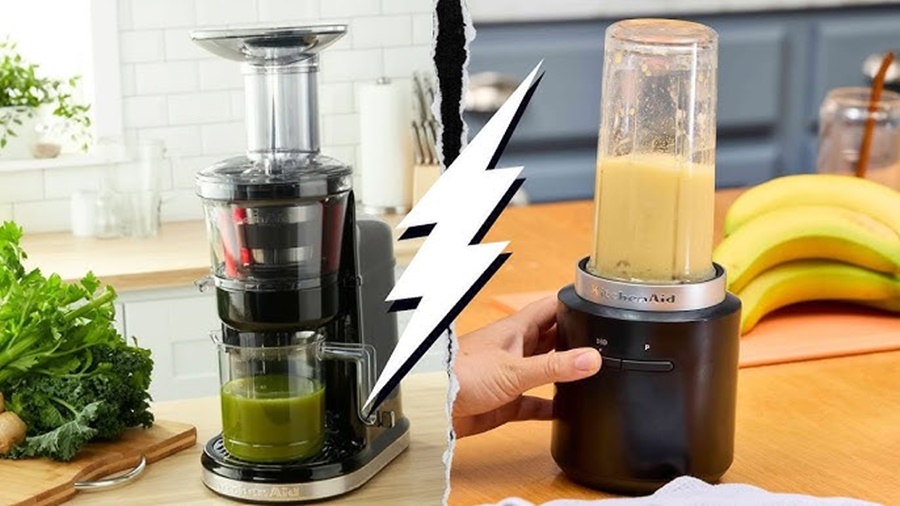
When it comes to making healthy beverages at home, two popular appliances often come to mind: juicers and smoothie makers (also known as blenders). While both are designed to help you consume more fruits and vegetables, they serve different purposes and produce different results.
This article will break down the key differences, benefits, and drawbacks of each, helping you decide which is best for your lifestyle.

What is a Juicer?
A juicer is a kitchen appliance that extracts juice from fruits and vegetables by separating the liquid from the pulp. It removes fiber and solids, giving you a smooth, thin juice that’s easy to drink.
Types of Juicers
- Centrifugal Juicers: Fast, with a spinning blade; great for hard fruits like apples.
- Masticating Juicers (Cold Press): Slowly crush produce for higher juice yield and more nutrients.
- Triturating Juicers: Twin-gear models, ideal for leafy greens and maximum nutrient retention.
What is a Smoothie Maker?
A smoothie maker, or blender, is an appliance that mixes whole fruits and vegetables (including skins and pulp) with liquid to create a thick, drinkable beverage known as a smoothie. Nothing is removed—everything is blended together.
Types of Smoothie Makers
- Standard Blenders: Versatile and suitable for most household smoothie needs.
- High-Powered Blenders: Like Vitamix or Blendtec, capable of handling ice, nuts, and tough ingredients.
- Personal Blenders: Compact and portable, great for single servings.
Key Differences Between Juicers and Smoothie Makers
| Feature | Juicer | Smoothie Maker |
|---|---|---|
| Output | Juice only (no fiber) | Smoothies (includes fiber) |
| Texture | Thin, liquid | Thick, creamy |
| Fiber Content | Low or none | High |
| Satiety (Feeling Full) | Lower due to lack of fiber | Higher due to fiber content |
| Nutrient Absorption | Faster, fewer digestive steps | Slower, but more complete |
| Cleanup | Often more parts, harder to clean | Generally easier to clean |
| Waste | Produces pulp waste | No waste; uses whole food |
| Speed | Juicers can be slower (cold press) | Blenders are usually faster |
Pros and Cons of Juicers
Pros
- Quick nutrient absorption
- Ideal for those with digestion issues
- Smooth, easy-to-drink texture
- Great for juicing leafy greens
Cons
- Removes fiber, which is beneficial for digestion
- Can be expensive (especially cold press)
- More cleanup and food waste
Pros and Cons of Smoothie Makers
Pros
- Keeps all fiber and nutrients intact
- More filling due to fiber
- Versatile – can blend soups, sauces, nut butters, etc.
- Less waste and easier to clean
Cons
- Can be too thick for some people
- Nutrient absorption may take longer
- May require more liquid to blend properly
Which One is Better for You?
Choose a Juicer if:
- You want fast nutrient absorption
- You prefer lighter, easy-to-digest drinks
- You’re doing a juice cleanse or detox
- You don’t mind the extra cleanup
Choose a Smoothie Maker if:
- You want a filling, meal-replacement drink
- You want to keep the fiber and all parts of the fruit
- You like thicker textures and blended meals
- You want a multipurpose kitchen appliance
Can You Have Both?
Absolutely! Many health-conscious individuals use both appliances depending on their needs. For instance, you might have a juice in the morning for a quick nutrient boost and a smoothie later as a snack or meal.
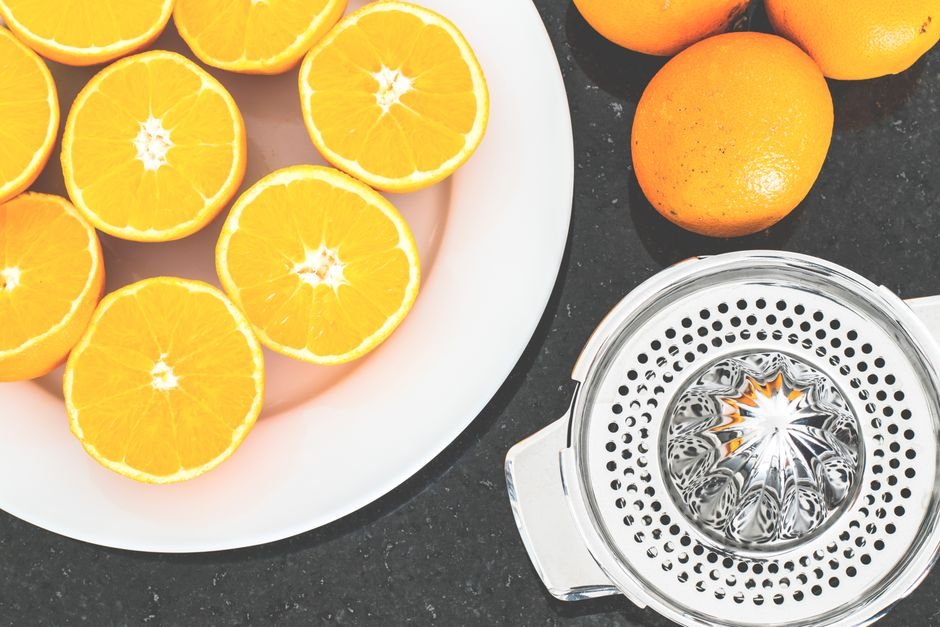
Who Each Option Suits Best
If you’re someone who enjoys sipping on nutrient-rich liquids, a juicer is a fantastic choice. It gives you a concentrated burst of vitamins and minerals. For those who prioritize convenience and daily fruit intake, a smoothie maker is more suitable.
Health enthusiasts may prefer juicers for their ability to extract high-quality juice, while families might opt for a smoothie maker. Smoothies allow you to add yogurt or milk for a creamy texture, making them appealing to kids.
Consider your lifestyle as well. If you have limited time for meal prep, a smoothie maker offers quick blending. But if you’re focused solely on juice extraction, a juicer delivers concentrated nutrition without the fiber.
For more, read about maker which brews.
Common Mistakes to Avoid
One common error you might make with a juicer is not properly cleaning it after use. Residue can build up, causing clogs and affecting the taste of future juices. Dedicate time to wash components immediately after juicing.
For smoothie makers, a frequent mistake is overloading the blender. Placing too many ingredients at once can lead to uneven blending. Stick to a balanced mix that allows for smooth processing.
Another misstep is not measuring ingredients correctly. Too much fruit might lead to overly sweet smoothies, while excessive leafy greens can create a bitter taste. Experiment with ratios for the best flavor.
Cost and Maintenance Considerations
The price of juicers can range significantly, from $50 for basic models to over $500 for high-end varieties. Higher-priced juicers tend to be more efficient, with durable materials and advanced features. Consider how often you’ll use it before investing.
Smoothie makers generally come at a lower cost, with good options starting around $30 to $200. They are often easier to maintain due to fewer parts. Regular cleaning of blades and jars is typically all that’s needed.
In terms of upkeep, make sure to check the warranty. Some juicers and smoothie machines might have specific care instructions. Following these guidelines will extend the lifespan of your appliance.
Lastly, think about where you’ll store your equipment. Kitchen counter space is valuable; you don’t want to crowd your counters with both gadgets if they’re not used daily.
Conclusion
Both juicers and smoothie makers offer valuable ways to increase your fruit and vegetable intake. If you’re looking for fast-absorbing nutrients and a light drink, a juicer may be the better option. If you want something filling, fiber-rich, and versatile, go with a smoothie maker.
Ultimately, the best choice depends on your health goals, dietary preferences, and lifestyle.





Leave a Reply