


When it comes to convenient, hands-off cooking, both rice cookers and crock pots are popular kitchen appliances. Though they may seem similar—they both cook food slowly and with minimal supervision—their functions, designs, and best uses are quite different. Understanding these differences can help you decide which appliance best suits your cooking style and needs.
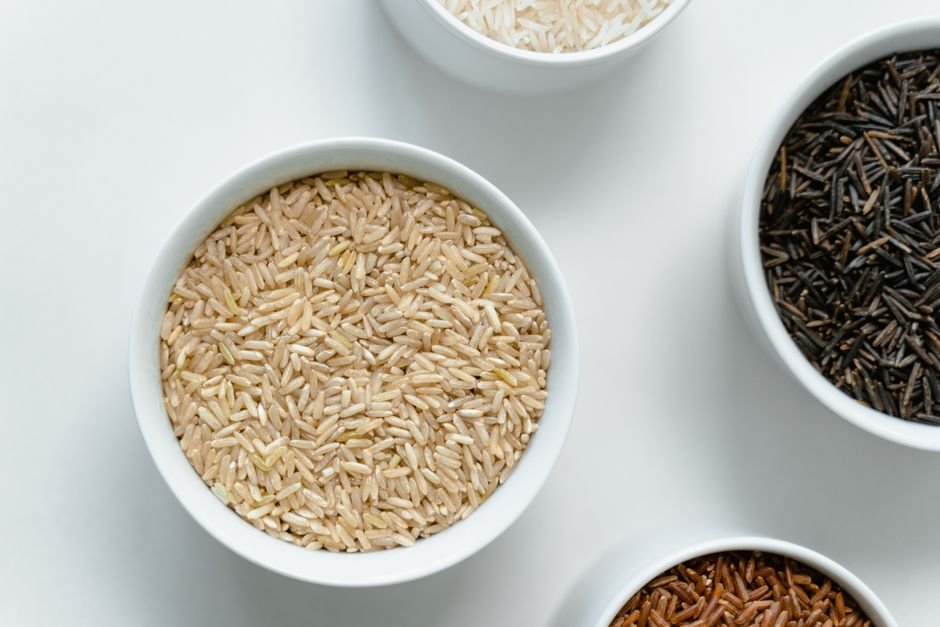
What Is a Rice Cooker?
A rice cooker is an electric appliance specifically designed to cook rice perfectly every time. It uses steam and precise heat control to bring water to a boil and then automatically reduces the heat to finish cooking without burning the rice. Modern rice cookers can also prepare other grains, steamed vegetables, soups, and even small one-pot meals.
How It Works
Rice cookers operate on a simple principle: once the water inside reaches 212°F (100°C) and is fully absorbed by the rice, the temperature begins to rise. Sensors inside detect this change and automatically switch the cooker from “cook” to “warm” mode.
Pros of a Rice Cooker
- Convenience: Just add rice and water, press a button, and it does the rest.
- Consistency: Produces fluffy, evenly cooked rice every time.
- Versatility: Some advanced models can steam vegetables, cook porridge, or even bake cakes.
- Automatic shut-off: Prevents overcooking and saves energy.
Cons of a Rice Cooker
- Limited capacity for complex dishes: Not ideal for recipes that need browning or long simmering.
- Small batch cooking: Most rice cookers are designed for grains or small meals, not large family dishes.
What Is a Crock Pot (Slow Cooker)?
A crock pot, or slow cooker, is designed to cook food slowly over several hours at a low, steady temperature. It’s perfect for tenderizing meat, developing deep flavors, and creating hearty, comforting meals like soups, stews, and roasts.
How It Works
Slow cookers have a ceramic or porcelain pot surrounded by a heating element. Food cooks slowly at temperatures between 170°F and 280°F (77°C–138°C). The lid traps moisture, ensuring that the food stays tender and flavorful over long cooking periods.
Pros of a Crock Pot
- Perfect for one-pot meals: Ideal for soups, stews, and casseroles.
- Tenderizes tough meats: Low and slow heat breaks down fibers for juicy results.
- Energy-efficient: Uses less electricity than an oven.
- Hands-off cooking: Set it in the morning and come home to a ready meal.
Cons of a Crock Pot
- Long cooking time: Meals can take 4–10 hours to cook.
- Less suitable for quick meals: Not ideal if you’re short on time.
- Limited browning: You usually need a separate pan to brown meats first.
Key Differences Between a Rice Cooker and a Crock Pot
| Feature | Rice Cooker | Crock Pot (Slow Cooker) |
|---|---|---|
| Primary Function | Cooking rice and grains | Slow-cooking soups, stews, meats |
| Cooking Time | 20–60 minutes | 4–10 hours |
| Temperature Range | High (boiling and steaming) | Low and steady heat |
| Cooking Method | Quick steam absorption | Gentle simmering |
| Best For | Rice, quinoa, steaming vegetables | Stews, roasts, casseroles |
| Ease of Use | Very easy and quick | Easy but requires planning ahead |
| Versatility | Somewhat versatile (depending on model) | Very versatile for slow-cooked meals |
Which One Should You Buy?
Choosing between a rice cooker and a crock pot depends on what and how you like to cook.
- Buy a Rice Cooker if you:
- Eat rice or grains regularly.
- Want quick, consistent results.
- Prefer smaller, simpler meals.
- Need an appliance for meal prepping grains or steaming sides.
- Buy a Crock Pot if you:
- Enjoy slow-cooked, hearty dishes.
- Want to prepare meals in the morning and have them ready at dinner.
- Cook for a family or like batch cooking.
- Prefer tender meats and rich, developed flavors.
Common Mistakes to Avoid
When using a rice cooker, one frequent error is using the wrong water-to-rice ratio. Too much water can lead to mushy rice, while too little can result in undercooked grains. A general guide is to use a 1:1 ratio for most white rice types, but always check your specific model’s instructions.
For crock pot users, overshooting the cooking time is a common pitfall. Leaving meals to cook for too long can lead to dry or overcooked dishes. To prevent this, set a timer and stick to recommended cooking durations, generally eight to ten hours on low.
Maintenance Tips
Keeping your rice cooker in good shape involves regular cleaning. Make sure to wipe down the exterior after each use. For the inner pot, use non-abrasive sponges and mild detergents to avoid damaging the non-stick surface. Additionally, check the heating element for any food residue.
With a crock pot, ensure the slow cooker is stored with the lid off to prevent any odors. Clean the pot with warm soapy water, but avoid submerging the entire unit if it has an electrical base. This can help maintain its lifespan significantly.
Cost Comparison
When it comes to budget, rice cookers generally start at around $20 for basic models, while high-end versions can reach up to $200. Cheaper options may perform well for simple rice cooking but lack more advanced features.
Crock pots vary widely in price as well, ranging from approximately $25 to $100 or more. Brands that include additional features like programmable timers or temperature settings will typically cost more. Evaluate your cooking habits to determine what fits your budget and needs best.
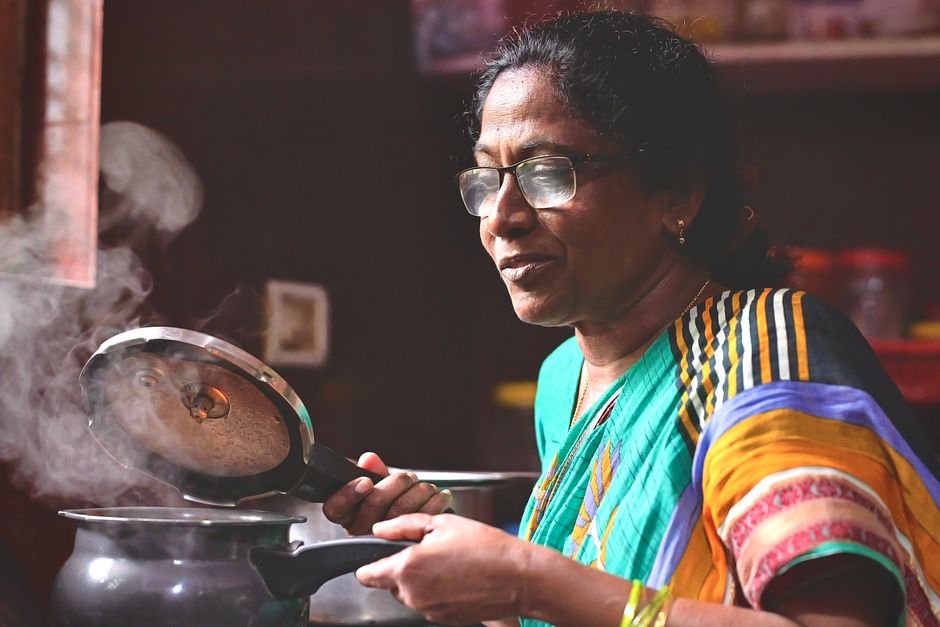
Who Each Appliance Suits
If you frequently make rice or grains, a rice cooker is ideal for you. It excels in simplifying the cooking process and often delivers consistently fluffy rice. It’s a must-have for rice enthusiasts.
A crock pot is better suited to individuals or families who enjoy hearty, slow-cooked meals. If you prefer to prepare meals ahead of time and let them cook while you focus on other tasks, a crock pot is your best choice.
Conclusion
Both the rice cooker and the crock pot offer convenient, low-effort cooking but they serve very different purposes.
If you’re after speed and simplicity, the rice cooker is your best friend. If you love flavorful, slow-cooked comfort food, the crock pot wins.
For many home cooks, having both appliances provides the best of both worlds quick rice for weeknights and slow-cooked stews for weekends. For those looking for delicious slow-cooked rice options, check out this slow cooker rice recipe.





Leave a Reply