


Two of the most popular options for easy, hands-off cooking are the slow cooker and the multi cooker. In today’s busy world, kitchen appliances that save time and simplify cooking are more valuable than ever. Although they may look similar, these appliances serve different purposes and suit different cooking styles.
Understanding how each works and their advantages and drawbacks can help you choose the best one for your kitchen.
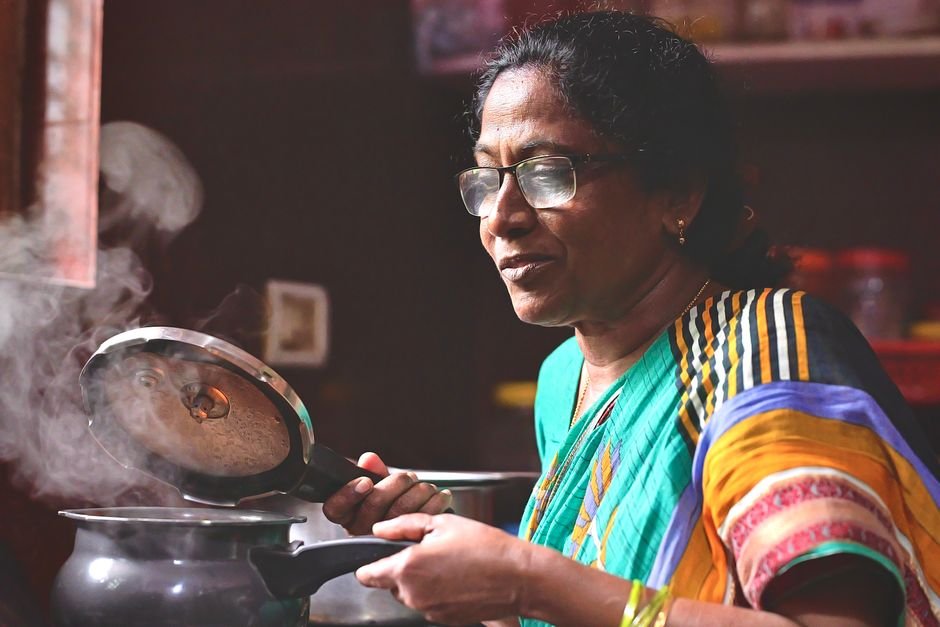
What Is a Slow Cooker?
A slow cooker, often known by the brand name Crock-Pot, is a countertop appliance that cooks food at a low temperature over an extended period. It’s designed for “set it and forget it” meals, where ingredients simmer gently for several hours.
How It Works
A slow cooker has a ceramic or porcelain pot that sits inside a metal housing with a heating element. It operates at low, consistent temperatures—usually between 170°F (77°C) and 280°F (138°C).
Common settings include:
- Low: 6–10 hours of cooking
- High: 3–5 hours of cooking
- Warm: Keeps food hot after cooking
Best For
- Stews and soups
- Braised meats
- Chili
- Casseroles
- Pulled pork or shredded chicken
What Is a Multi Cooker?
A multi cooker is a more advanced, all-in-one appliance that combines multiple cooking functions into one device. Popular models, such as the Instant Pot, can act as a pressure cooker, slow cooker, rice cooker, steamer, sauté pan, and more.
How It Works
Multi cookers use both pressure and heat to cook food faster or slower, depending on the selected mode. The pressure cooking feature, in particular, drastically reduces cooking time by raising the boiling point of water and trapping steam inside the pot.
Best For
- Rice and grains
- Beans and lentils
- Soups and stews
- Yogurt
- Pressure-cooked meats
- One-pot meals
Key Differences Between Slow Cooker and Multi Cooker
| Feature | Slow Cooker | Multi Cooker |
|---|---|---|
| Cooking Speed | Very slow (4–10 hours) | Fast (as little as 30 minutes) |
| Functions | One primary function (slow cooking) | Multiple functions (pressure, sauté, steam, slow cook, etc.) |
| Ease of Use | Simple: just set temperature and time | More complex: various buttons and settings |
| Price Range | Generally cheaper | Usually more expensive |
| Learning Curve | Minimal | Moderate (requires reading manual) |
| Texture & Flavor | Deep, slow-developed flavors | Retains nutrients and moisture, quicker results |
| Cleaning | Simple, fewer parts | More parts to clean |
Pros and Cons
Slow Cooker Pros
- Easy to use—ideal for beginners
- Great for tenderizing tough cuts of meat
- Energy-efficient for long cooking times
- Can be left unattended safely
Slow Cooker Cons
- Long cooking times
- Limited functions
- Not ideal for quick meals
Multi Cooker Pros
- Extremely versatile (many cooking modes)
- Saves time with pressure cooking
- Can sauté before slow cooking—fewer dishes
- Great for small kitchens (replaces multiple appliances)
Multi Cooker Cons
- Higher cost
- Requires more learning and attention
- Pressure cooking can overcook delicate foods if not timed properly
Which One Should You Buy?
The right choice depends on your cooking habits and lifestyle.
- Choose a Slow Cooker if:
You love hearty, comforting dishes and prefer to set your meal in the morning and come home to a ready dinner. It’s simple, affordable, and perfect for low-effort cooking. - Choose a Multi Cooker if:
You want flexibility and speed. If you often cook under time pressure but still want flavorful, home-cooked meals, a multi cooker’s versatility will be worth the investment.
Common Mistakes to Avoid
When using a slow cooker, one common mistake is overfilling the pot. Ideally, you should fill it no more than two-thirds full to ensure proper heating. Additionally, not following the recommended cooking times can result in undercooked meals.
For multi cookers, people often skip the preheating step. Preheating improves cooking efficiency and taste. Another pitfall is neglecting to use enough liquid when cooking under pressure, which can cause burn warnings.
Cost Considerations
Slow cookers are generally more budget-friendly than multi cookers. You can find basic models starting around $20, while high-end versions can reach $100. Prices vary based on capacity, brand, and features.
Multi cookers typically have a higher initial cost, ranging from $50 to over $200. This price includes numerous functionalities. However, if you consider it a replacement for several appliances, the cost may balance out over time.
Maintenance Tips
Maintaining your slow cooker is straightforward. Regularly clean the lid, ceramic pot, and heating element after use. Be cautious with harsh scrubbing pads that could scratch the surface. Always double-check that the pot is completely dry before storing.
For multi cookers, frequent checks on seals and gaskets are crucial. These parts can wear out and affect pressure cooking ability. Also, regularly clean the inner pot and the exterior to prevent build-up. Don’t forget to remove any food particles from the pressure release valve.
Who Each Option Suits
If you’re a busy parent or have a hectic schedule, a slow cooker is ideal. It allows you to prepare meals in advance and return home to a hot dinner. Also, if you appreciate traditional slow-cooked flavors, it’s your best bet.
On the other hand, multi cookers cater to adventurous cooks who enjoy experimenting. They suit those who want versatility and speed in meal preparation. If you often cook a variety of dishes from different cuisines, a multi cooker will meet your needs more effectively. For more information about multi cookers, you can visit multi cookers.
Conclusion
Both the slow cooker and the multi cooker can make your life in the kitchen easier. The slow cooker excels in simplicity and developing rich flavors over time, while the multi cooker offers speed, versatility, and modern convenience.





Leave a Reply