

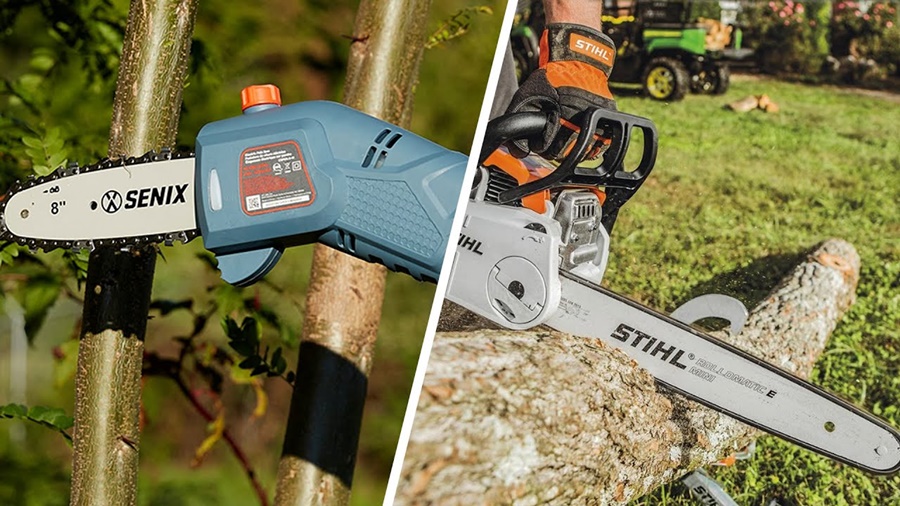
When it comes to cutting trees, branches, and wood around your yard or property, two tools are often compared: the chainsaw and the pole saw. While both use a chain-and-bar cutting mechanism, they are designed for very different tasks. Choosing the right one depends on what you need to cut, where you need to cut it, and how much control and reach you require.
This article provides a clear, detailed comparison of chainsaw vs pole saw, including their uses, advantages, disadvantages, and ideal applications.
What Is a Chainsaw?
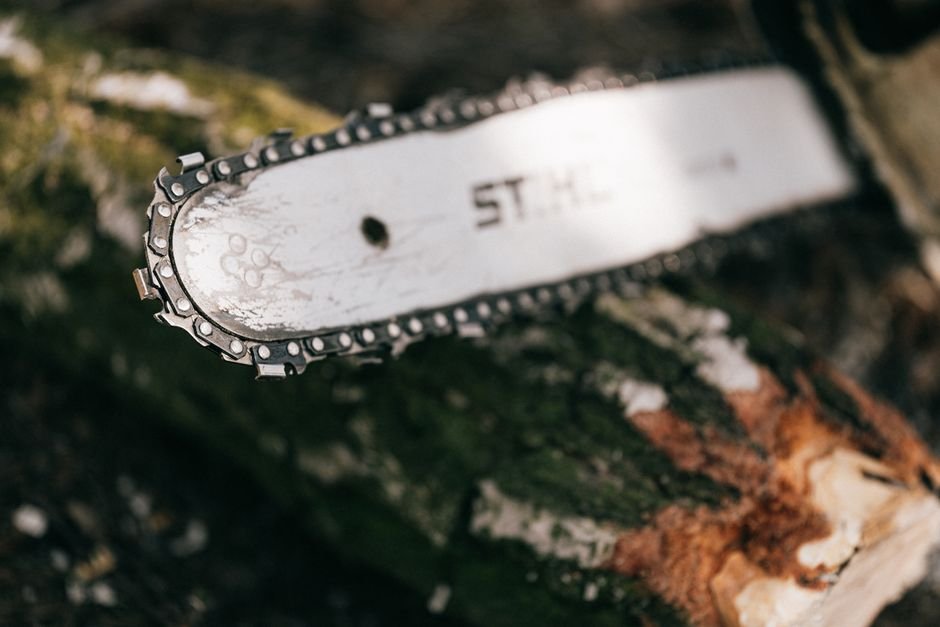
A chainsaw is a handheld power tool with a rotating chain fitted with sharp teeth that run along a guide bar. It is commonly used for cutting tree trunks, thick branches, firewood, and fallen trees.
Chainsaws come in several types:
- Gas-powered chainsaws
- Electric chainsaws
- Battery-powered chainsaws
They are widely used by homeowners, landscapers, arborists, and forestry professionals.
What Is a Pole Saw?
A pole saw is essentially a small chainsaw mounted on the end of a long pole. It allows users to cut branches that are high off the ground without using a ladder. Pole saws can be:
- Manual
- Electric
- Battery-powered
- Gas-powered
They are primarily designed for trimming and pruning overhead branches.
Key Differences Between Chainsaw and Pole Saw
Reach and Cutting Position
- Chainsaw:
Used at ground level or close to the body. It requires the operator to stand near the cutting area. - Pole Saw:
Designed for extended reach, allowing cuts several feet above ground while standing safely below.
Winner: Pole saw for overhead work.
Cutting Power
- Chainsaw:
Offers significantly more power and cutting speed. It can handle thick logs, large branches, and tree trunks. - Pole Saw:
Less powerful due to its smaller motor and lightweight design. Best for thin to medium branches.
Winner: Chainsaw for heavy-duty cutting.
Precision and Control
- Chainsaw:
Provides better control for detailed cuts, especially when working on logs or shaping wood. - Pole Saw:
Control can be more challenging because of the long pole and weight distribution, especially at full extension.
Winner: Chainsaw for precision work.
Safety and Accessibility
- Chainsaw:
Requires the user to be close to the cutting area, which may increase risk if not handled carefully. - Pole Saw:
Reduces the need for ladders and allows cutting from the ground, making it safer for trimming high branches.
Winner: Pole saw for safer overhead access.
Portability and Ease of Use
- Chainsaw:
Compact and easier to maneuver, but can be heavier depending on the model. - Pole Saw:
Lightweight at the cutting end but can feel tiring due to length and balance.
Winner: Depends on the task—chainsaw for short jobs, pole saw for high branches.
Pros and Cons of a Chainsaw
Pros
- High cutting power
- Handles large and thick wood
- Versatile for many cutting tasks
- Faster cutting speed
Cons
- Limited reach
- Not ideal for overhead cutting
- Requires closer proximity to the cutting area
Pros and Cons of a Pole Saw
Pros
- Extended reach
- Ideal for pruning high branches
- Eliminates the need for ladders
- Lightweight cutting head
Cons
- Less powerful
- Not suitable for thick logs or trunks
- Can be tiring to hold for long periods
Best Uses for Each Tool
Choose a Chainsaw If You Need To:
- Cut tree trunks or logs
- Prepare firewood
- Remove fallen trees
- Handle heavy-duty cutting tasks
Choose a Pole Saw If You Need To:
- Trim overhead branches
- Prune trees safely from the ground
- Maintain yard trees regularly
- Avoid climbing or ladder use
Can You Own Both?
Yes. Many homeowners and professionals choose to own both a chainsaw and a pole saw. Each tool excels in its specific role, and having both provides flexibility for different cutting situations.
Common Mistakes to Avoid
When using a chainsaw, one frequent mistake is neglecting to wear the proper safety gear. Always use eye protection, gloves, and sturdy boots. Another error is cutting at awkward angles, which can lead to loss of control.
For pole saw users, overreaching is a common issue. You may be tempted to stretch too far, compromising your balance. Instead, position your feet firmly and adjust your height or ladder for optimal reach.
Cost Comparison and Maintenance
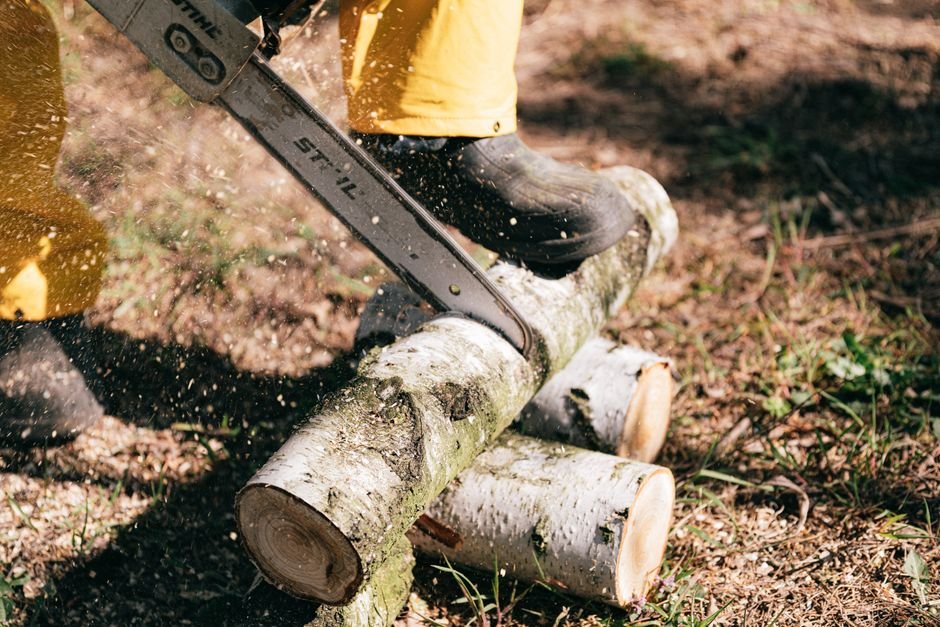
Buying a chainsaw generally involves a higher initial investment, ranging from $150 to $600, depending on the model. Pole saws, in contrast, typically cost between $100 and $300, making them more budget-friendly. Consider the long-term costs, including maintenance and fuel.
Chainsaws require regular sharpening of the chain and occasional oiling of the bar. In contrast, pole saws often need minimal upkeep, mainly cleaning and occasional chain adjustments. Before purchasing, factor in maintenance efforts to help you decide which tool fits your lifestyle better. For instance, you can explore more details on pole saws here.
For more, read about chainsaw vs petrol chainsaw.
Conclusion
In the comparison between a chainsaw and a pole saw, there is no single “better” tool only the right tool for the job. A chainsaw is the ideal choice for heavy-duty tasks such as cutting tree trunks, large branches, and firewood, thanks to its power, speed, and versatility.
On the other hand, a pole saw excels at safely trimming and pruning high branches, allowing users to work from the ground without the need for ladders.
If your work involves ground-level cutting and thicker wood, a chainsaw will meet your needs more effectively. If your priority is maintaining trees and removing overhead branches safely and conveniently, a pole saw is the better option. For homeowners or professionals who handle a variety of tasks, owning both tools can provide maximum flexibility and efficiency.
Choosing wisely ensures safer operation, better results, and a more manageable workload.





Leave a Reply