

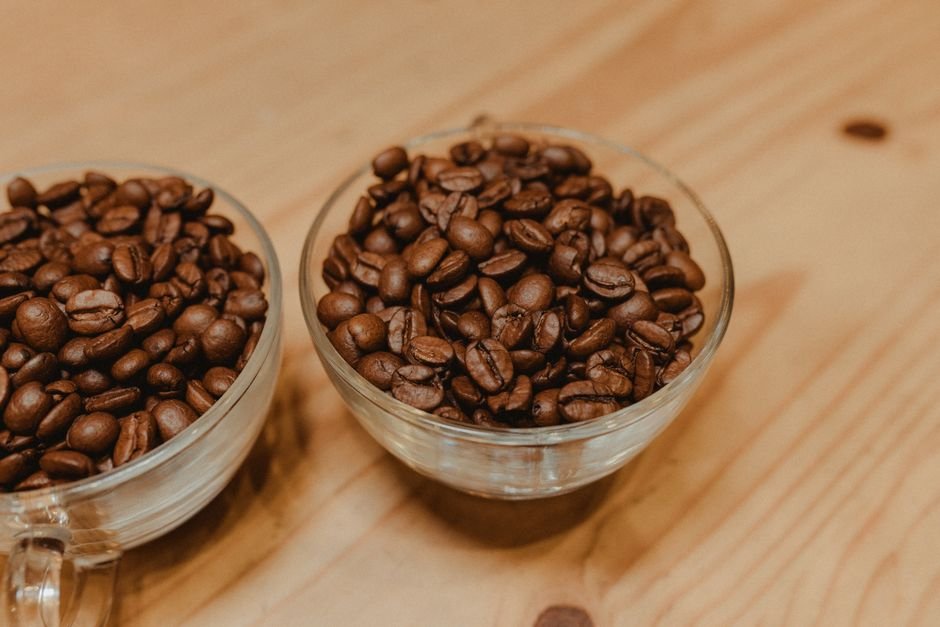
More than 60% of coffee produced globally consists of Arabica and Robusta beans, each contributing distinct characteristics to your cup. The choice between them often mirrors a personal preference, with Arabica generally favored for its smoother, sweeter profile while Robusta delivers a bolder, more bitter taste. If forced to choose, I would lean towards Arabica as the better option.
Arabica beans account for about 60 to 70 percent of global coffee production. They thrive in high-altitude areas with cooler climates, particularly in regions like Latin America, East Africa, and parts of Asia. Robusta, on the other hand, makes up the remaining 30 to 40 percent and predominantly grows in lower altitudes in regions like Africa and Southeast Asia, where the climate is hotter and more humid.
Knowing where these beans come from not only shapes their flavor but also informs their overall quality and market value.
Comparing Flavor Profiles
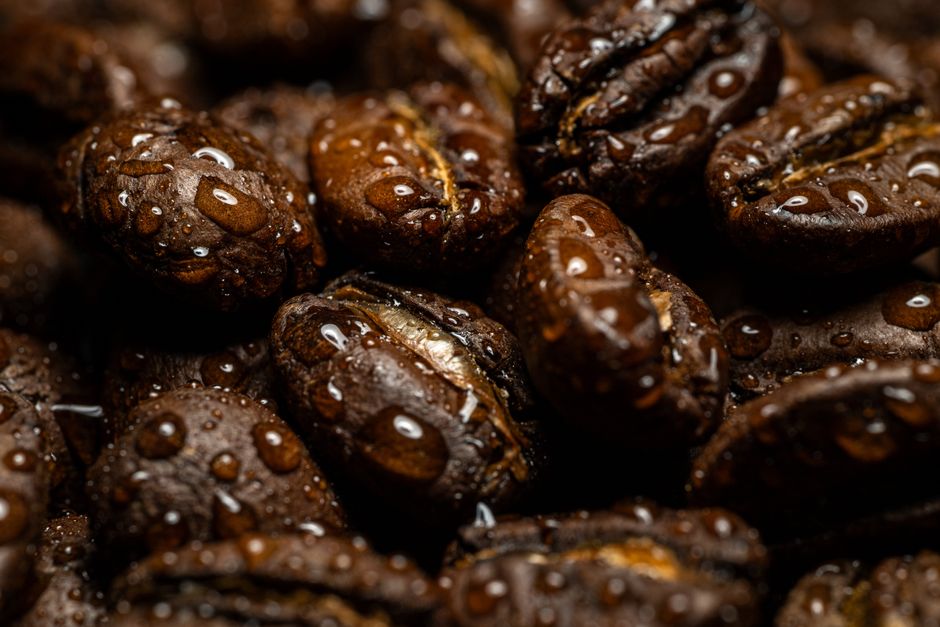
The flavor profiles of Arabica and Robusta beans are where things get really interesting. Arabica has a reputation for its smooth, mild flavor with hints of sweetness and fruitiness. You can often detect nuances that range from floral to berry-like, and the acidity tends to be more pronounced. In contrast, Robusta has a much bolder, sharper taste.
It often exhibits earthy and woody notes, with a bitterness that can overpower other flavors. For coffee enthusiasts, this difference can significantly impact the overall experience.
In practical terms, if you’re making a cup for a guest or savoring your own perfect brew, I’d always reach for Arabica. Its smoothness and depth make it versatile; whether you prepare it as a pour-over or a fancy espresso, it’s sure to please a wide range of palates.
Robusta, while it’s often used in espresso blends for added crema, doesn’t deliver the same pleasant experience on its own.
Caffeine Content: Robusta’s Hidden Advantage
While I favor the taste of Arabica, let’s get one thing straight: Robusta has the upper hand when it comes to caffeine content. Robusta beans typically contain about 2.2 to 2.7 percent caffeine, compared to Arabica’s 1.2 to 1.5 percent. This higher caffeine content makes Robusta an excellent choice for those seeking a real energy boost.
However, the bitterness that accompanies this higher caffeine can be a deterrent for many coffee drinkers.
If you’re someone who enjoys the kick of a strong cup, you might find Robusta appealing. But I personally prefer my coffee smoother and less harsh, so I would stick with Arabica most times. Even in my busiest mornings, I’ll take quality over a quick caffeine fix any day.
Growing Conditions and Sustainability
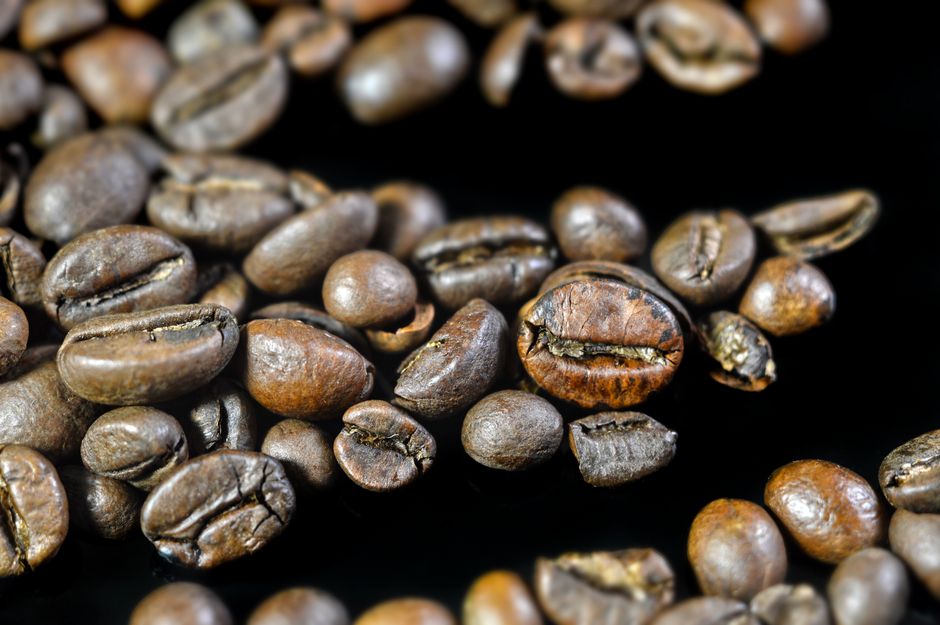
When discussing Arabica vs Robusta coffee beans it’s crucial to consider their cultivation. Arabica plants are more delicate and susceptible to pests, making them harder to grow. They require specific conditions: a temperature range between 60°F to 70°F and rich soil. This results in more care and management from farmers, which in turn affects the price.
Robusta beans are hardier and can withstand harsher conditions; they are easier to cultivate, grow faster, and yield more fruit. This resilience means that Robusta can often be a cheaper alternative.
The difference in farming practices also bears an environmental impact. Arabica farming often requires more sustainable practices due to its vulnerability to climate change and diseases. On the other hand, extensive Robusta production can lead to deforestation and ecosystem damage if not managed responsibly.
So, while both types can be found in fair trade and sustainable options, I advocate for the careful selection of Arabica when supporting sustainable coffee farming.
Finding Your Perfect Brew
For a rich and nuanced coffee experience, I recommend starting with Arabica beans, which are ideal for those who appreciate complex flavors. If you prefer a stronger caffeine kick or plan to make espresso, then exploring arabica vs robusta coffee beans might be beneficial. Trying both varieties will enhance your coffee journey, but Arabica is likely to satisfy most palates.
For more, read about moka pot.
Our write-up on pod machine picks up where this leaves off.
Frequently Asked Questions
Why choose arabica over robusta?
Arabica coffee is often chosen over robusta because it tends to have a richer flavor profile, with more complex and nuanced taste notes. Additionally, arabica beans generally have a lower caffeine content, which many coffee drinkers find pleasant.
How does robusta coffee taste?
Robusta coffee typically has a stronger, more bitter flavor compared to arabica, with earthy and nutty notes. It also has a heavier body and a distinctive, somewhat astringent aftertaste, making it less smooth than arabica.
Is arabica coffee better for travel?
Arabica coffee is often considered better for travel due to its popularity and wider availability in various coffee markets. However, it's important to note that arabica beans can be more fragile, and thus require careful handling during transport.
Can robusta coffee be used for espresso?
Yes, robusta coffee can be used for espresso, and it is actually common to blend it with arabica for a richer crema and a more robust flavor profile. The higher caffeine content and thicker body of robusta can enhance the espresso's overall experience.
What are the origins of arabica coffee?
Arabica coffee originated in the highlands of Ethiopia, where it was cultivated for centuries before spreading to the Arabian Peninsula and beyond. Today, arabica is grown in numerous regions around the world, with Brazil and Colombia being two of the largest producers.





Leave a Reply