

Cooking dinner shouldn’t take more than 30 minutes, especially after a long day. Here are the most efficient indoor cooking methods to produce meals that are hearty and satisfying without requiring extensive prep or cook time. Be ready to whip up tasty dishes with minimal effort, making it easier to dine well at home during busy weekdays.

1. Stovetop Cooking: Quick and Comforting
Stovetop cooking is unbeatable for its versatility and speed. From sautéing vegetables to simmering a savory sauce, the stovetop allows you to control the heat and multitask seamlessly. I often turn to this method for quick weeknight dinners that feel like home-cooked comfort.
Time 20 minutes | Serves 4 | Difficulty Easy
Key ingredients: olive oil, onions, garlic, seasonal vegetables, protein of choice, herbs.
Tip: Always have a couple of one-pan recipes ready. They save time on cleanup and make sure flavors meld beautifully.
2. Oven Baking: Hands-Off Convenience
Oven baking brings an entirely different cooking experience. You’ll pop in everything from a whole chicken to a batch of cookies, and let the heat do the work. It’s about setting it and forgetting it, so you can enjoy unwinding or prepping the rest of your meal.
Time 45 minutes | Serves 6 | Difficulty Moderate
Key ingredients: whole chicken, potatoes, carrots, seasoning, olive oil.
Tip: Batch-cooking is your best friend here; roast multiple items on the same tray to save effort later.
3. Air Frying: Crispy Perfection in Minutes
If you crave crispy textures without the guilt, air frying is the way to go. This method circulates hot air around the food to create a crunchy outer layer while keeping the insides tender. It’s my go-to for indulgent meals that feel healthier.
Time 30 minutes | Serves 4 | Difficulty Easy
Key ingredients: potatoes, chicken wings, seasoning, cooking spray.
Tip: Don’t overcrowd the basket to ensure everything cooks evenly and gets that ideal crisp.
4. Pressure Cooking: Speedy Flavor Explosion
Nothing beats pressure cooking for busy days when you still want rich, flavorful meals. With a pressurized environment, dishes that typically take hours can be realized in under an hour. This method excels with stews and soups, which develop robust flavors in a fraction of the time.
Time 30 minutes | Serves 4 | Difficulty Moderate
Key ingredients: beef, carrots, onions, broth, spices.
Tip: Use the searing function if available. It locks in flavor before the pressure cooking begins.
5. Microwave Meals: Ultimate Convenience
Microwave cooking often gets a bad rap, but it can be a lifesaver for quick meals. It’s perfect for reheating leftovers or whipping up simple dishes like steamed vegetables and even baked potatoes in no time at all. Don’t underestimate this method for your quickest meal solutions.
Time 10 minutes | Serves 1-2 | Difficulty Very Easy
Key ingredients: frozen vegetables, rice, chicken, sauces.
Tip: Use microwave-safe containers to ensure even heating and safety.
6. Slow Cooking: Set It and Forget It
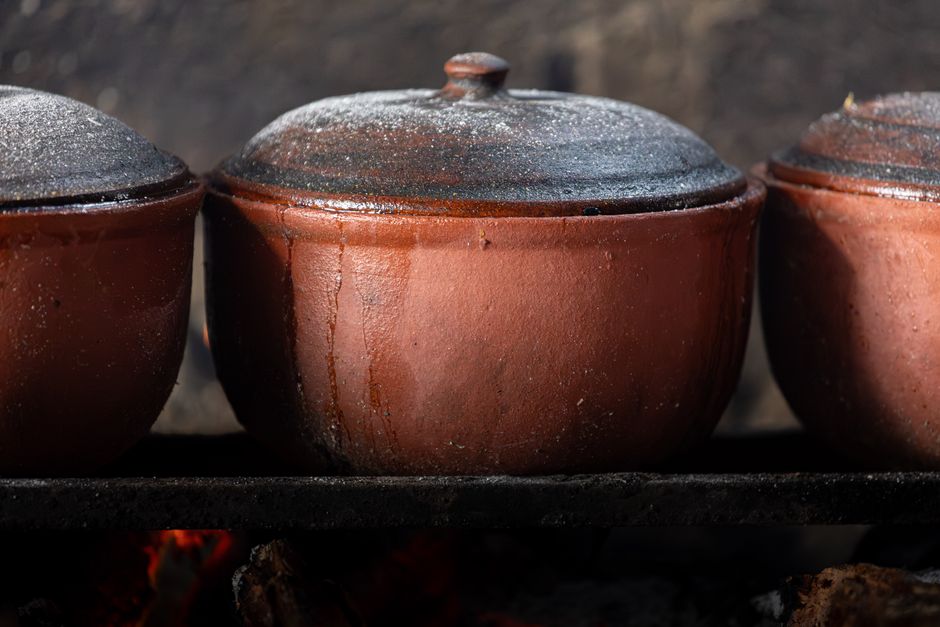
For those days when you don’t want to fuss over dinner, slow cooking shines. Meals that require minimal prep can simmer away while you go about your day. The flavors deepen over hours, providing a comforting meal that’s ready when you are.
Time 8 hours | Serves 6 | Difficulty Easy
Key ingredients: pork roast, root vegetables, broth, herbs.
Tip: Layer ingredients correctly to ensure thorough cooking; place the most dense items on the bottom.
7. Broiling: Quick and Intense Heat
Broiling can create beautifully caramelized and crispy results in no time. It’s the closest you’ll get to grilling indoors and perfect for finishing dishes. I often use this for fish and vegetables, leveraging the quick cooking time to get dinner on the table quickly.
Time 15 minutes | Serves 2 | Difficulty Easy
Key ingredients: fish fillets, vegetables, marinades.
Tip: Keep a close eye on your food; broiling can transform a dish from perfect to burnt in moments.
How to Choose Your Cooking Method
For the quickest meals, the stovetop is your go-to. If you prefer a hands-off approach, opt for a slow cooker that allows for flavorful meals while you carry on with your day. Consider your available ingredients to determine which method will yield the best result without unnecessary trips to the grocery store.
There is more on security cameras elsewhere on the site.
There is more on security cameras elsewhere on the site.
Frequently Asked Questions
What are the healthiest indoor cooking methods?
The healthiest indoor cooking methods include steaming, poaching, and sautéing. These techniques help retain nutrients in food and typically require less fat than frying.
How can I cook indoors without an oven?
You can cook indoors without an oven by using appliances like stovetops, slow cookers, pressure cookers, or microwave ovens. Techniques such as sautéing, boiling, and using an air fryer are effective alternatives.
Why is indoor grilling popular?
Indoor grilling is popular because it allows for the enjoyment of grilled flavors and textures year-round, regardless of weather conditions. It also provides a convenient way to prepare meals quickly and often with less smoke and cleanup.
Can I use outdoor cooking techniques indoors?
Yes, many outdoor cooking techniques can be adapted for indoor use, such as grilling on a stovetop grill or using a cast-iron skillet. However, it is essential to ensure proper ventilation and safety measures when using these techniques indoors.
What is the best method for cooking meat indoors?
The best method for cooking meat indoors often depends on the cut and desired outcome, but methods like pan-searing, broiling, or using a slow cooker work well. These techniques help achieve flavorful and tender results while allowing for precise control over cooking temperatures. Also, consider exploring the best indoor cooking methods for a deeper understanding of healthy cooking options.




Leave a Reply