

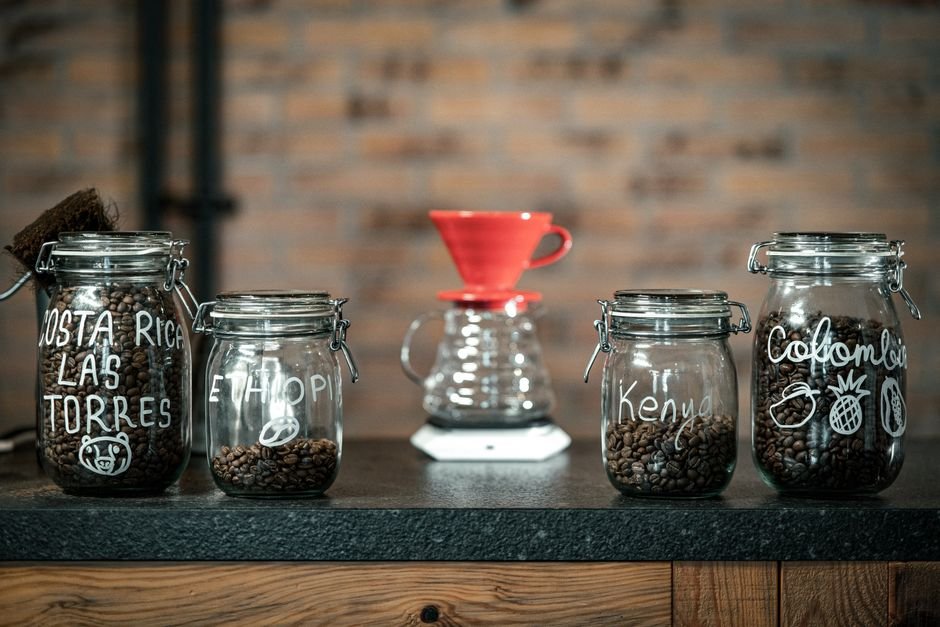
Brewing coffee can cost you anywhere from $1 to $3 per cup, depending on the bean and method you choose. Different coffee beans require distinct brewing techniques to bring out their specific flavors. For instance, a light Ethiopian Yirgacheffe benefits from a precise pour-over method, while a dark Sumatra might shine best in a French press.
If you want to extract the best flavors from your coffee beans, equip yourself with the right brewing methods tailored to each bean type. Let’s break down the process step by step, encompassing everything from the grind size to the brewing equipment best suited for each coffee variety.
The Role of Bean Origin and Flavor Profiles
The origin of your coffee beans plays a significant role in their flavor profile. For instance, beans from Central America typically have a bright acidity and a wide range of flavor notes, from chocolatey to fruity. In contrast, African beans often carry floral notes and vibrant acidity but can be more refined and delicate.
This variability suggests you should approach brewing with a tailored mindset depending on where your beans come from.
In my experience, experimenting with beans from different origins revealed fascinating contrasts. For example, a medium roast Brazilian coffee can have nutty undertones while an Ethiopian coffee might surprise you with floral notes. Understanding these nuances is crucial, as it guides your decisions on brewing time and temperature, which can drastically alter the resulting cup.
Grind Size: A Key Factor in Brewing
One often overlooked aspect is how grind size affects extraction and taste. For a finer grind, think espresso or Turkish coffee, where a shorter brewing time is key. On the flip side, coarser grinds are more appropriate for methods like French press or cold brewing, which require longer steeping times. Generally, finer grounds increase extraction speed, which can lead to bitterness if not monitored closely.
I’ve found that starting with a medium grind is often a safe bet if you’re unsure. It’s versatile enough for many brewing methods, but if you know your coffee origin and its ideal brewing style, adjusting the grind size is crucial. When I French press a Colombian coffee, switching to a coarser grind makes a noticeable difference in the flavor and mouthfeel.
Choosing the Right Brewing Equipment
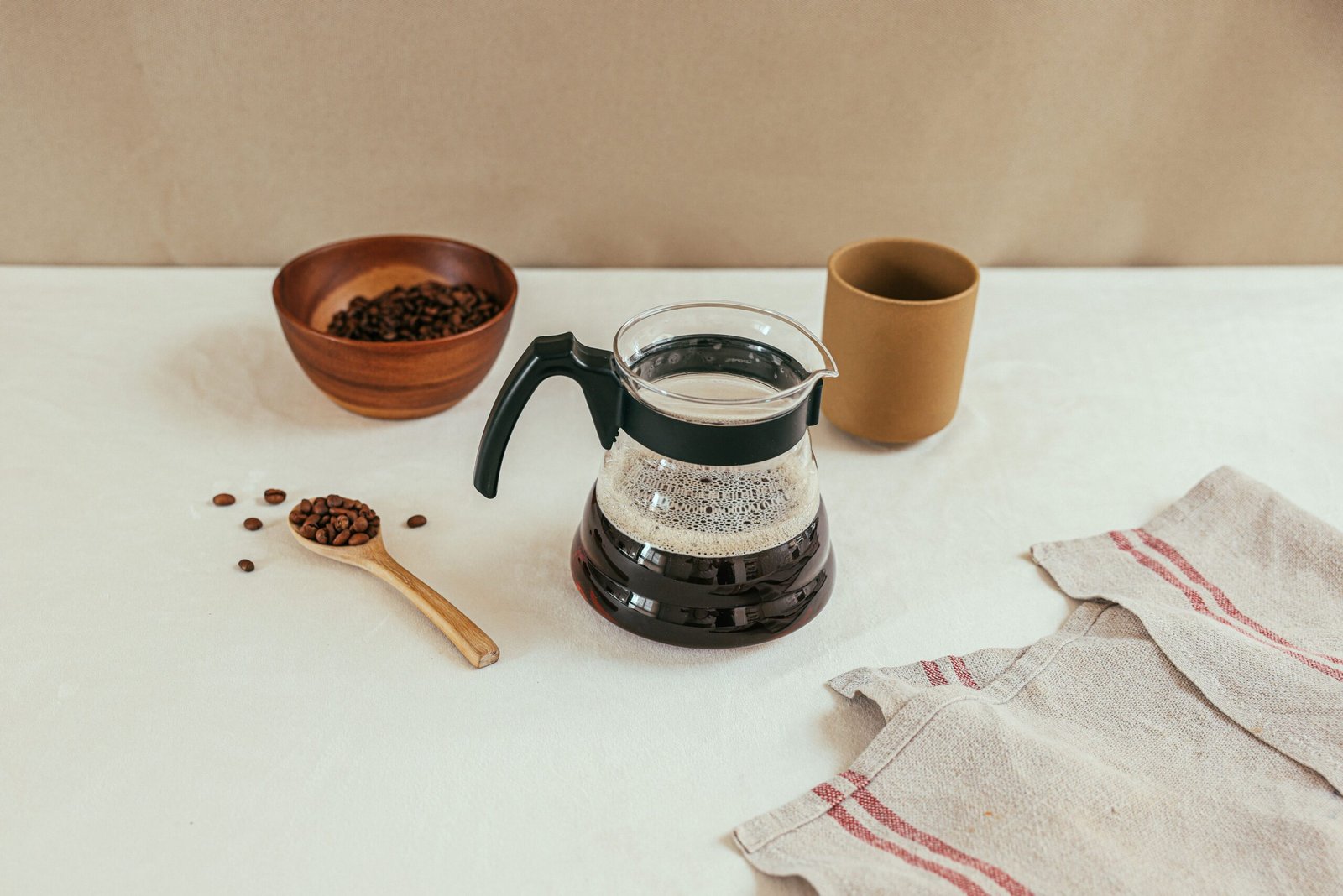
Selecting appropriate brewing equipment is just as vital as the beans and grind. A traditional drip coffee maker works wonders for medium roasts, as the long brew time ensures a well-rounded extraction. Conversely, for lighter roasted single-origin coffees, pour-over methods like the Hario V60 allow precise control over water pouring and temperature, leading to deeper flavor extraction.
I personally enjoy using a pour-over when I want to savor distinct tasting notes.
If you’re a fan of convenience, a French press is excellent for brewing various beans without the fuss of multiple tools. It captures oils and micro-grounds, which enrich your cup. However, if you want to experiment with pressure, consider investing in an espresso machine for those espresso beans.
You can effectively pull a shot that’s rich and flavorful, as long as you have the right grind and tamping technique.
Impact of Brewing Temperature
Brewing temperature is often an afterthought, yet it can greatly influence flavor extraction. Most coffee experts recommend brewing between 195°F and 205°F. If you’re utilizing a brewing method like French press with a coarser grind, a lower temperature in that range may unveil subtle sweetness. Conversely, if your coffee is too bitter, try lowering the temperature.
I’ve had great success with lighter beans when I lower the water temperature slightly, revealing their nuances.
The trick is to adjust your temperature based on the specific coffee bean you are using. For example, dark roasts tend to extract well at the higher end of this temperature range. This balance helps me avoid the bitter notes that often accompany over-extraction.
Brewing Parameters for Different Beans
Here’s a simple guide for brewing parameters based on bean types:
- Coffee Type: Arabica
- Grind Size: Medium
- Brewing Method: Pour-over, French press
- Temperature: 195°F – 205°F
- Steeping Time: 4-5 minutes
- Coffee Type: Robusta
- Grind Size: Fine
- Brewing Method: Espresso, AeroPress
- Temperature: 200°F – 205°F
- Steeping Time: 25-30 seconds
- Coffee Type: Light Roast
- Grind Size: Medium-coarse
- Brewing Method: French press, pour-over
- Temperature: 195°F
- Steeping Time: 3-4 minutes
Though you can tweak these parameters, they create a helpful framework for brewing with various beans. Fine-tuning based on your experience and personal preference is often the pathway to your perfect cup.
If that matters to you, our piece on machine vs moka pot goes further.
Much of this matches what Engineering Ucdavis found.
Final Thoughts: Crafting Your Perfect Brew
For those who appreciate strong, rich flavors, a French press using a medium-dark roast is the way to go. If you prefer a clean, nuanced flavor, a pour-over with a light roast might suit you better. Experimenting with these methods will help you find what aligns with your palate.
Frequently Asked Questions
What is the best way to brew different coffee beans?
The best way to brew different coffee beans depends on their origin and roast level. For light roasts, methods like pour-over or Aeropress highlight brightness and acidity, while dark roasts are often enhanced with brewing methods like French press that create rich, full-bodied flavors.
How does grind size affect coffee taste?
Grind size significantly influences extraction and overall flavor profile. Finer grinds tend to extract more soluble compounds quickly, yielding a stronger taste, while coarser grinds extract more slowly, resulting in milder flavors.
Can you mix different coffee beans together?
Yes, mixing different coffee beans can create unique flavor profiles and enhance complexity. Experimenting with blends of various beans allows you to balance acidity, body, and flavors to tailor the final cup to your preference.
Why do different brewing methods matter?
Different brewing methods matter because they extract flavors and aromas in distinct ways due to factors like water temperature, brew time, and pressure. Each method can highlight different characteristics in the coffee, making some beans better suited for specific brewing styles.
How do you choose coffee beans for brewing?
Choosing coffee beans for brewing involves considering personal taste preferences, roast level, and origin. It's important to try different varieties and roasts to discover what flavor profiles you enjoy the most, as well as to consider the brewing method you'll use.



Leave a Reply