

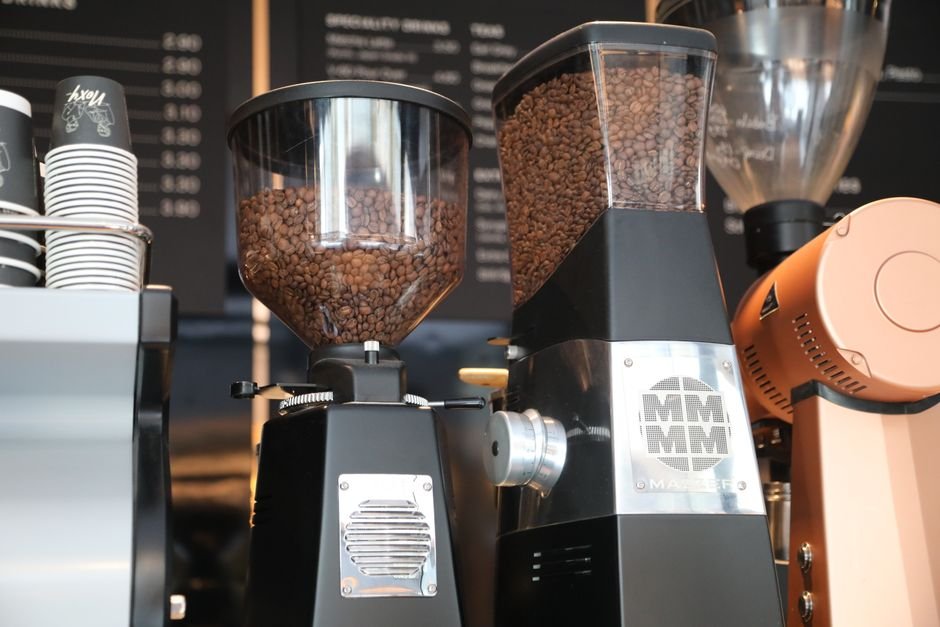
One in five coffee drinkers experiences issues with their grinder, often leading to wasted beans and frustration. If your grinder isn't producing the desired grind consistency, it's time to troubleshoot the problem. Let's explore the causes and find effective solutions together.
The issue of coffee beans not working with a grinder can often boil down to two main concerns: the grind size and the type of grinder you are using, be it a burr grinder or a manual grinder. Knowing how these factors interact with each other is key in troubleshooting the problem effectively.
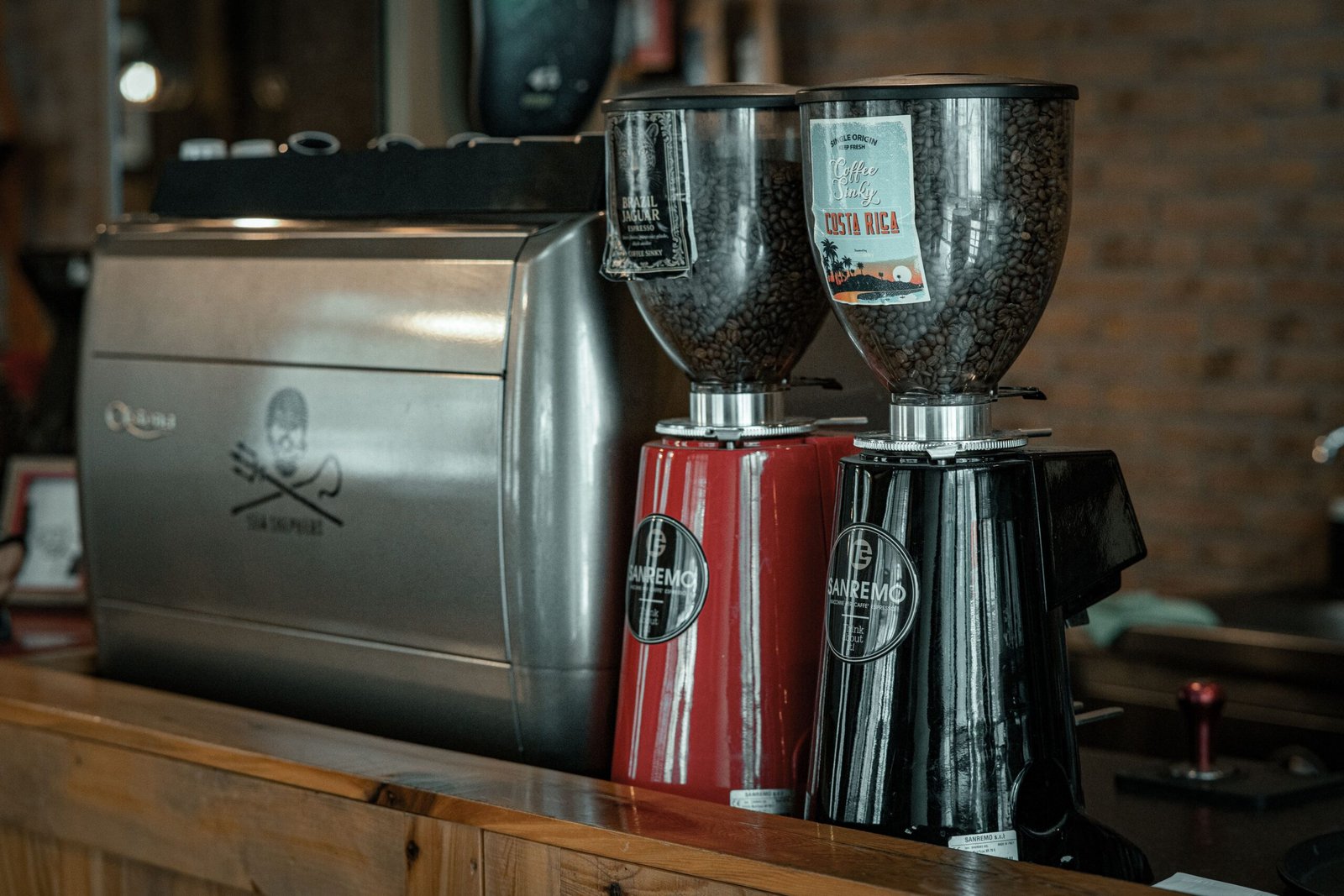
Common Reasons Beans Fail in Grinders
First, let’s consider the grind size. If your coffee beans are too oily or too dry, they can get stuck within the grinder. There’s a fine balance here; oily beans tend to clog the grinder and create a mess. If you’re using beans that are particularly dark roasted, like an Italian roast, be extra cautious.
On the other hand, extremely dry beans can create ultra-fine powder that may not help in the brewing process and can also lead to clumping problems.
Another common reason could be the grind setting of your grinder itself. For instance, using an espresso grind setting for a French press can cause issues. It’s crucial to make sure your grind size is appropriate for your brewing method.
If you’re trying to create coarse grounds but your grinder is set for fine, it could lead to the beans not producing the desired results.
Your Grinder Type
The type of grinder plays a significant role in how well your coffee beans work. For example, a burr grinder is great for achieving consistent ground size because it uses two revolving abrasive surfaces to crush beans evenly. This consistency is essential for an optimal brewing experience.
If you’re using a blade grinder instead, you may struggle with uneven particle size, which can affect extraction, leading to disappointing brew results.
However, burr grinders can also jam if the beans are too oily or compacted. Regular cleaning and maintenance, together with ensuring you’re using the right coffee bean type, will improve your results. With a manual grinder, while you have control over the grind size, excessive force can lead to the same blockage issues.
Choosing the Right Coffee Bean for Your Grinder
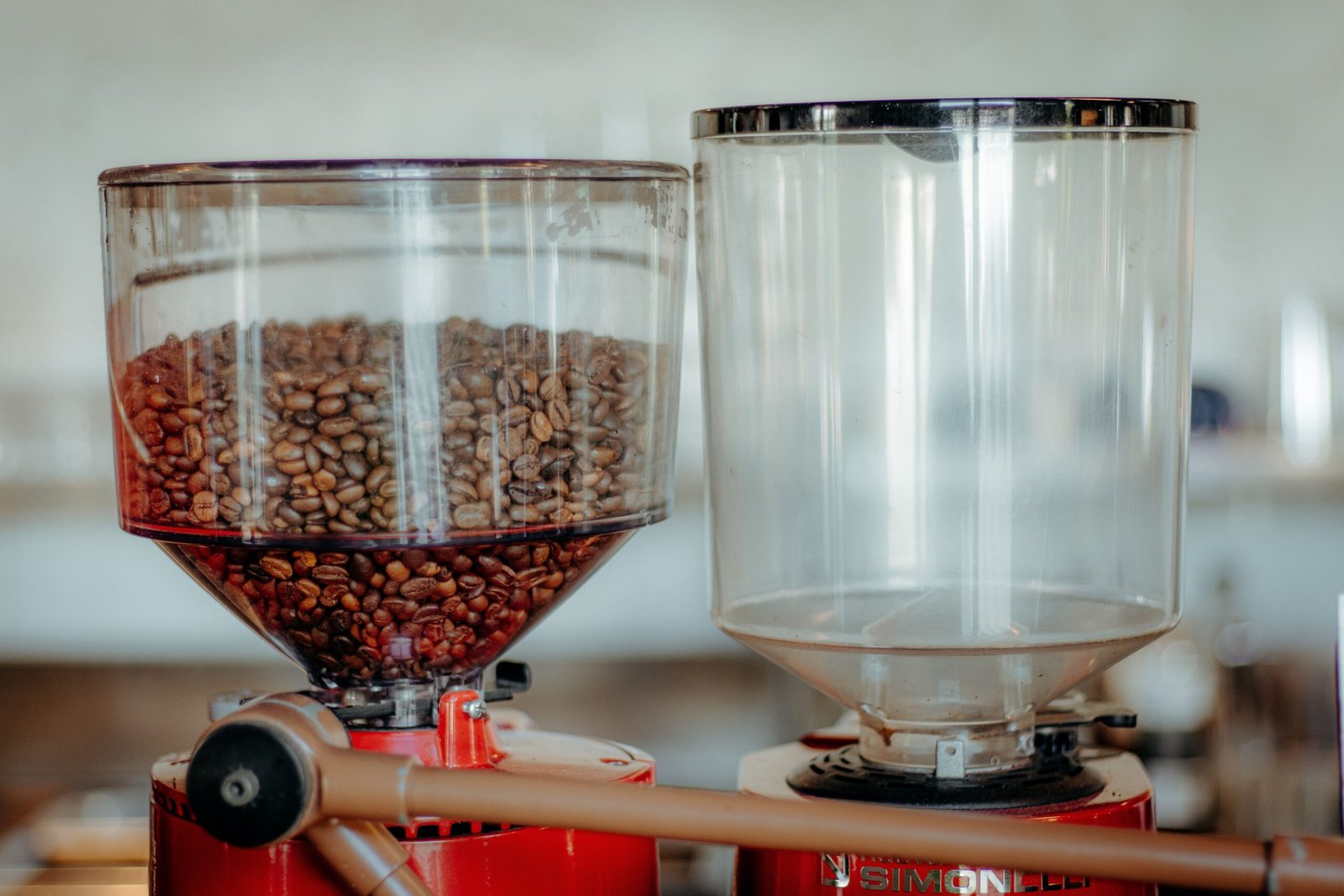
When selecting coffee beans, consider their roast profile. For oily beans, a burr grinder generally works better, but be cautious about grinding them too finely. On the other hand, for beans that are drier or fuller-bodied, a consistent grind will likely yield better results. Test different grind settings; sometimes, a bean that doesn’t work well at one setting could surprise you at another.
Another factor to consider is the age of your beans. Freshly roasted coffee is ideal, but beans that are too old can tend to be dry and may not grind well. Ideally, you want to use your beans within two weeks of roasting for the best flavor and performance in your grinder.
Maintenance Tips for Coffee Grinders
Like any other kitchen appliance, coffee grinders require regular maintenance to operate effectively. Cleaning out your grinder ensures that leftover oils or clogs don’t affect the performance. I recommend cleaning your burr grinder every month to eliminate any build-up from coffee oils, which can get sticky and problematic.
For manual grinders, disassemble them when possible and wipe down all parts, paying attention to any crevices.
Also consider the grinding frequency. If you’re grinding too many beans at once, the heat can build up, causing the oils to release prematurely. Grinding in smaller batches can help avoid this issue. By maintaining your grinder and ensuring you use the right beans, you set yourself up for a successful brewing experience.
There is more on moka pot elsewhere on the site.
Conclusion: Optimal Grinding with Smart Choices
Opt for a burr grinder if you want consistent results; it's the best choice for serious coffee aficionados. For casual drinkers, a blade grinder can suffice but may require more attention to grind size. Regular maintenance and choosing the right beans are essential for a satisfying coffee experience.
Frequently Asked Questions
Why does my grinder not grind?
Your grinder may not grind if the beans are too oily or moist, causing them to clump together and block the grinding mechanism. Additionally, if the grinder's motor is malfunctioning or the burrs are dull, it may also fail to effectively grind the beans.
How do you unclog a coffee grinder?
To unclog a coffee grinder, first unplug it and remove the beans. Use a dry brush or a blower to gently clear out the grinder mechanism, and if necessary, run some uncooked rice through the grinder to absorb any residual oils.
What beans are best for grinders?
Generally, medium roast beans are best for grinders as they strike a balance between flavor and oiliness. Avoid very oily or flavored beans, as their residue can clog the grinder and affect performance.
Is my grinder compatible with all beans?
Not all grinders are compatible with all beans; for instance, some high-end burr grinders can handle oily beans better than blade grinders. It's essential to check the grinder's specifications and recommendations to ensure compatibility.
Can grind size affect grinding process?
Yes, grind size can significantly affect the grinding process, as it influences extraction rates and flavor. Finer grinds tend to clump more easily, leading to potential blockages, while coarser grinds may require longer grinding times to achieve the desired consistency.
For more information on coffee beans not working with grinder, you can check this resource.




Leave a Reply