

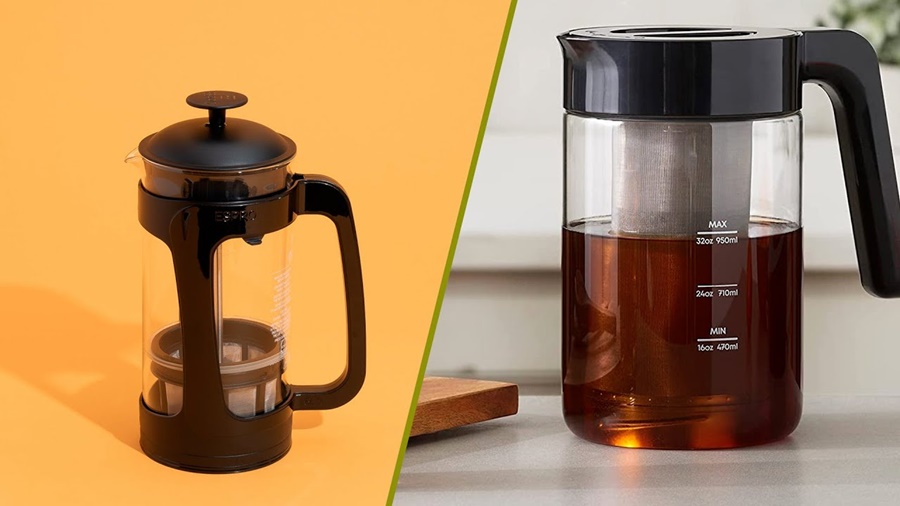
Two of the most popular options—coffee machines and French presses offer very different results in flavor, convenience, and cost. Choosing the right brewing method can significantly influence your daily coffee experience. Below is a detailed comparison to help you decide which suits your lifestyle and taste.
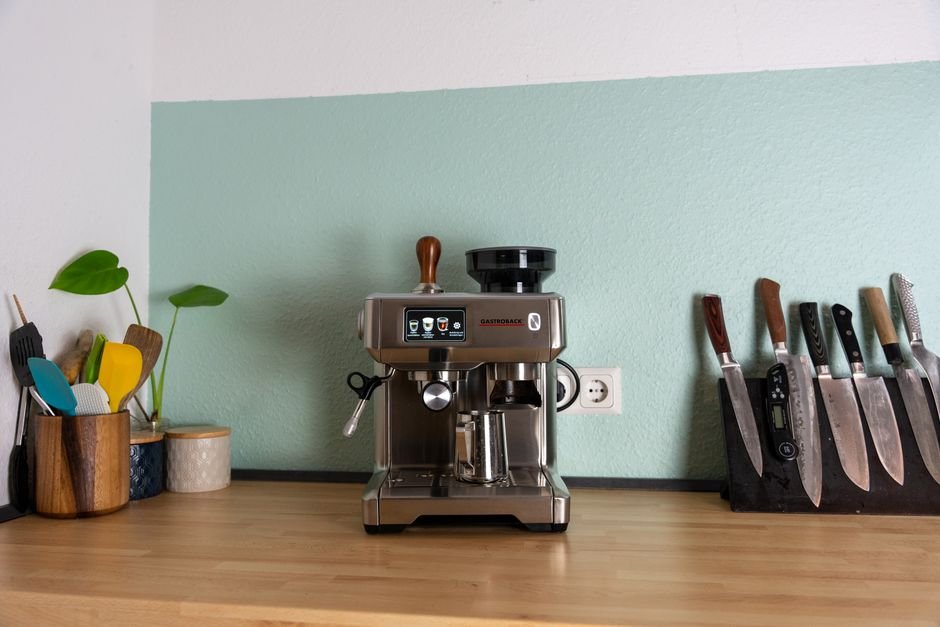
1. Brewing Method Overview
Coffee Machine
A coffee machine (drip coffee maker) automates the brewing process. Water is heated and then drips through ground coffee held in a paper or metal filter. It produces a clean, smooth cup with minimal effort.
French Press
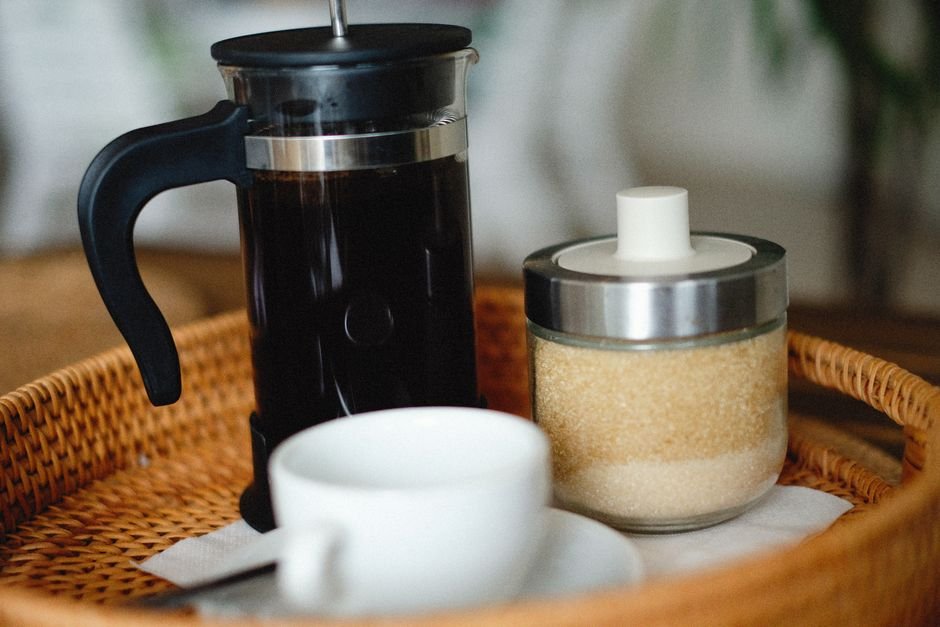
A French press uses immersion brewing: coffee grounds steep directly in hot water for several minutes, and then a metal plunger separates the grounds from the liquid. This method creates a rich, full-bodied cup.
2. Flavor and Texture
Coffee Machine
- Produces a cleaner, lighter cup of coffee
- Paper filters remove oils, resulting in less bitterness
- Ideal for those who prefer a smooth and mild flavor
French Press
- Offers a bold, full-bodied taste
- Metal filter allows natural oils and fine particles to pass
- Ideal for coffee lovers who enjoy a richer, more robust cup
3. Ease of Use
Coffee Machine
- Very convenient: add water, add coffee, press a button
- Consistent results every time
- Good for busy mornings or brewing for multiple people
French Press
- Hands-on brewing: requires boiling water, timing steeping, and plunging
- Slight learning curve
- Great for those who enjoy a more involved brewing ritual
4. Brew Time
Coffee Machine
- Average: 5–10 minutes
- Some machines can be programmed to start automatically
French Press
- Average: 4–6 minutes, including steeping
- Faster if you already have hot water ready
5. Cleanup
Coffee Machine
- Usually simple: discard filter, rinse components
- But deeper cleaning is required periodically (descaling)
French Press
- Grounds must be disposed of manually
- More parts to clean, but no paper filters needed
- Metal mesh can trap oils and requires careful washing
6. Cost
Coffee Machine
- Machine prices vary widely: $30 to $300+
- Ongoing cost of paper filters (if used)
French Press
- Typically inexpensive: $15 to $60
- No disposable filters needed
- Long-lasting if handled well
7. Capacity
Coffee Machine
- Designed for brewing multiple cups at once
- Best for families or offices
French Press
- Available in many sizes, but best for 1–4 cups
- Works well for individuals or small households
8. Which One Should You Choose?
Choose a Coffee Machine if you want:
- Convenience and automation
- Consistent results
- Ability to brew large batches
- A clean, smooth cup
Choose a French Press if you want:
- Bold, full-flavored coffee
- Control over brew strength
- A simple, durable brewing tool
- A more artisanal brewing experience
Common Mistakes and How to Avoid Them
One of the most frequent errors with a French press is using too fine a grind. This causes sludgy coffee and makes plunging difficult. Stick to coarse grounds to achieve a clean brew.
Another mistake is letting the coffee sit too long after brewing. Coffee continues to extract and can turn bitter. Always serve it right after pressing.
- Measure coffee and water accurately.
- Don’t forget to pre-warm your French press with hot water.
- Choose fresh, high-quality beans for the best flavor.
Who Each Option Suits Best
If you’re an on-the-go person, a coffee machine is generally a better fit. You can set it to brew ahead of time, allowing you to grab your coffee and head out.
Conversely, if you enjoy a leisurely morning ritual and want a hands-on experience, the French press may suit you better. It allows you to control every aspect of brewing, making it a more personalized process.
Practical Usage Tips
To brew a perfect cup with your French press, start by measuring your coffee and water precisely. A common ratio is 1:15, or one ounce of coffee to 15 ounces of water. Use coarsely ground coffee, as finer grinds can lead to a gritty texture. Pour hot water over the grounds and let them steep for about four minutes before pressing down the plunger slowly and steadily.
For coffee machines, clean your equipment before the first use to remove any residue from the manufacturing process. Always use filtered water for the best taste, and experiment with grind sizes to find your preferred strength. Regularly check the water reservoir and bean hopper levels to avoid surprises.
Maintenance and Longevity
Caring for your coffee machine requires routine maintenance to keep it brewing efficiently. Regularly descaling your machine is essential, especially if you live in an area with hard water. Follow the manufacturer’s instructions for this process, and consider cleaning the carafe and filter basket after each use.
The French press needs special attention too. After each brew, rinse it thoroughly to eliminate coffee oils that can develop bitterness. Occasionally, disassemble the plunger and clean each part to prevent buildup. With proper care, both methods can last for years, providing delicious coffee every time.
Conclusion
Neither method is objectively “better” it depends on your preferences.
If you value convenience and consistency, a coffee machine is ideal.
If you prioritize rich flavor and hands-on brewing, the French press is the perfect choice.



Leave a Reply