

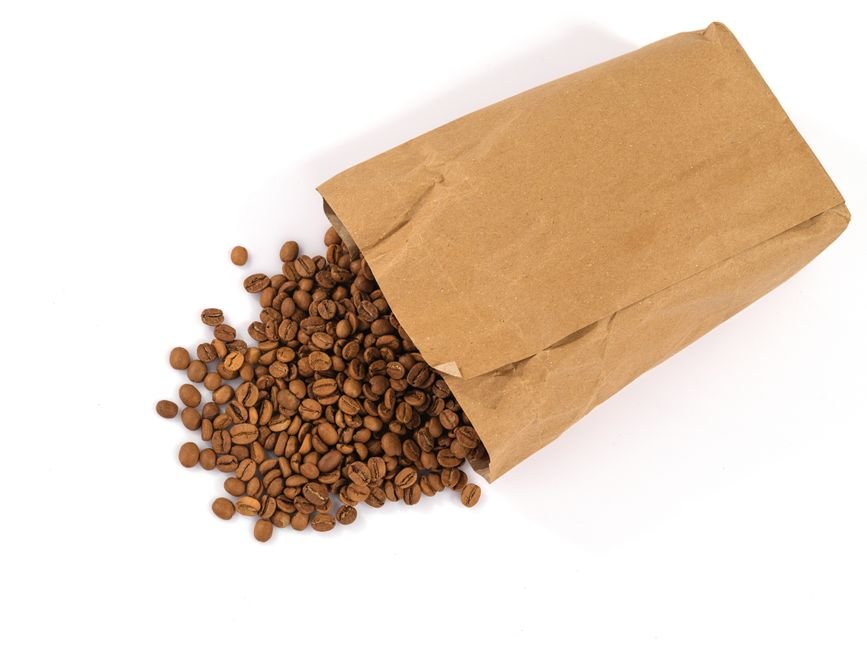
Finding specialty coffee beans nearby is a straightforward task; a quick online search or a visit to your local farmer's market can reveal several options. High-quality beans can dramatically enhance your brewing experience, especially when they are sourced with care and roasted properly.
Here’s the truth: local coffee roasters are often the best places to begin your search. Not only can they provide high-quality beans, but many roasters also offer insightful knowledge about their products and freshly roasted selections. Unlike chain stores, local roasters frequently have direct relationships with farmers, ensuring that you’re getting beans that are not only delicious but also ethically sourced.
So, let’s delve into the best spots and tips for sourcing these gems.
Top Local Shops for Specialty Coffee Beans
Local coffee roasters are usually my first stop when looking for specialty beans. Depending on your area, you might find beloved neighborhood shops that take pride in their offerings. Some places will even roast beans on-site, ensuring freshness that supermarket brands can’t match.
When choosing a local shop, I recommend asking about their sourcing practices. Look for roasters that offer direct trade coffee, as this model means they work closely with farmers to ensure fair compensation and sustainable farming practices. This transparency not only supports the people growing your coffee but typically results in a better tasting cup, too.
Another great strategy is to join a local coffee club or subscription service. Many roasters offer a mailing list where you can receive updates on new arrivals and special releases. It’s one way to stay connected to the coffee community and ensure that you’re always brewing with fresh beans.
Avoid Supermarket Aisles
While it may be tempting to grab a bag of beans from your local supermarket, this is generally the route to avoid if you’re serious about specialty coffee. Supermarkets often feature mass-produced brands that lack the distinct flavor profiles and ethical sourcing of specialty beans. You might find some decent options in the organic or “gourmet” section, but these are often still a step down from what local roasters provide.
Moreover, there’s a risk of buying stale beans. Specialty coffee should ideally be consumed within a few weeks of roasting to enjoy optimal flavor. Supermarkets often have rotating stock, which can lead to older beans lingering on the shelves. Instead, getting your beans from local sources not only supports small businesses but guarantees you a fresher product.
Specialty Coffee: What to Look For
When you’re searching for specialty coffee beans, awareness of quality indicators is key. Look for a roasting date on your bags. Freshly roasted coffee usually has a date stamped, and you should aim for beans that are roasted within the past two weeks.
Flavor notes are also important. Specialty coffee beans often display tasting notes that can range from fruity to nutty, or even chocolate-like. Don’t hesitate to ask your local roaster about these flavors; they are usually more than happy to assist with suggestions based on your palate preferences. Experimenting with different brew methods might also be worthwhile, certain beans shine better when brewed in specific ways. If you need insight on this, I explore various methods in detail here: Coffee Machine vs Moka Pot and Coffee Machine vs Keurig.
Another factor to consider is how the coffee is processed. Natural or dry processing typically results in sweeter flavors, while washed or wet processing yields a cleaner cup. This detail can profoundly affect the final taste, so don’t shy away from delving into these specifics.

The Value of Local Coffee Markets
If you’re in a city with vibrant local markets, check out their coffee stalls. These are generally frequented by local roasters or vendors who are passionate and knowledgeable about their products. You’ll often find beans that aren’t available in regular stores, and there’s something enjoyable about trying limited-edition roasts that come from smaller producers.
Additionally, local markets can be great places for uncovering unique blends. Many roasters experiment with blends that you won’t find on the typical grocery shelves. Approach vendors with questions; they’ll likely appreciate your curiosity and share more stories about the beans’ origins.
If you enjoy attending coffee tastings, local shops or markets frequently organize these events. Tasting different coffees side by side can sharpen your palate and help you understand what you enjoy most. I’ve learned so much about flavor nuances through these experiences, and they have significantly improved my brewing game.
Where to Seek Direct Trade Options
If ethical sourcing is a priority for you, direct trade coffee is worth seeking out. Not all local roasters have direct relationships with farmers, so it’s important to ask about sourcing practices. Roasters who engage in direct trade can provide better income for farmers and ensure higher quality beans are used in their products.
Many reputable online sources and local shops will gladly share information on their farmers and the growing regions. This not only enhances your coffee drinking experience but also connects you to the global coffee community in meaningful ways. Supporting these businesses reinforces the practice of ethical consumption.
The direct trade title may come with a higher price tag, but it often correlates with superior quality and taste. You have to balance your budget against quality. In my experience, investing in decent beans from reputable local roasters pays off in flavor and satisfaction.
Final Recommendations for Sourcing Quality Beans
I recommend checking out local roasters that offer direct trade beans, as they often provide the freshest flavors. If you prefer convenience, specialty coffee subscriptions can deliver unique selections right to your door. You can also learn more about where to get specialty coffee beans near me.
There is more on moka pot elsewhere on the site.
There is more on moka pot elsewhere on the site.
Frequently Asked Questions
Where can I find specialty coffee beans locally?
You can find specialty coffee beans at local cafes that roast their own beans, as well as in gourmet grocery stores and dedicated coffee shops. Checking online directories or specialty coffee associations can also help locate nearby roasters.
How do I choose a good coffee roaster near me?
To choose a good coffee roaster, consider their sourcing practices and whether they prioritize quality beans and ethical sourcing. Look for roasters with positive reviews, offering tasting sessions or single-origin options to help you explore different flavors.
What makes coffee beans 'specialty'?
Coffee beans are labeled 'specialty' when they score 80 points or above on a 100-point scale by certified coffee tasters and meet specific quality criteria. These beans are often grown in ideal climates and harvested with meticulous care, resulting in distinct and complex flavors.
Is it better to buy coffee beans locally?
Buying coffee beans locally can support your community and often ensures fresher products, as they are typically roasted closer to the time of purchase. Additionally, local roasters may offer unique blends or single-origin selections that reflect the region's coffee culture.
Can I get fair trade coffee in my area?
Yes, many local coffee shops, specialty stores, and roasters offer fair trade coffee options. Look for labels indicating fair trade certification, which ensures that farmers receive fair compensation and work in better conditions.




Leave a Reply