

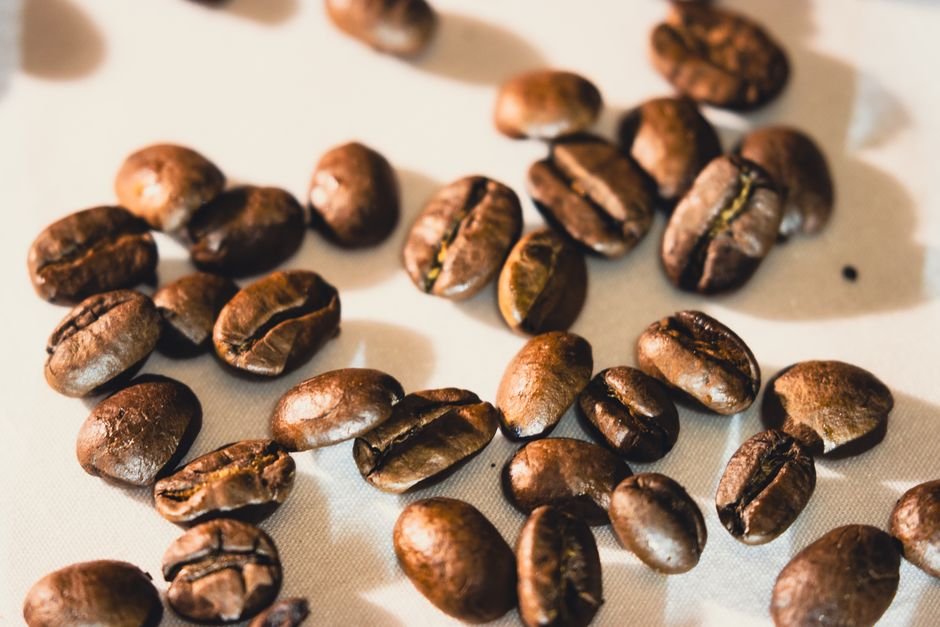
About 2.25 billion cups of coffee are consumed every day, underscoring its significance in daily life. To make a great cup, it's essential to know the main types of coffee beans: Arabica and Robusta. Each type brings its own unique taste and qualities, impacting your choice and enjoyment of your brew.
Arabica beans account for about 60-70% of the world’s coffee production. They thrive at higher altitudes, where the climate is cooler and more stable. On the other hand, Robusta beans are more robust and resilient, thriving at lower altitudes and in harsher climates. This stark contrast leads to very different flavor profiles.
As you navigate your coffee journey, let’s explore these two main types of beans in more detail, focusing on what makes each unique and which one might best suit your taste.
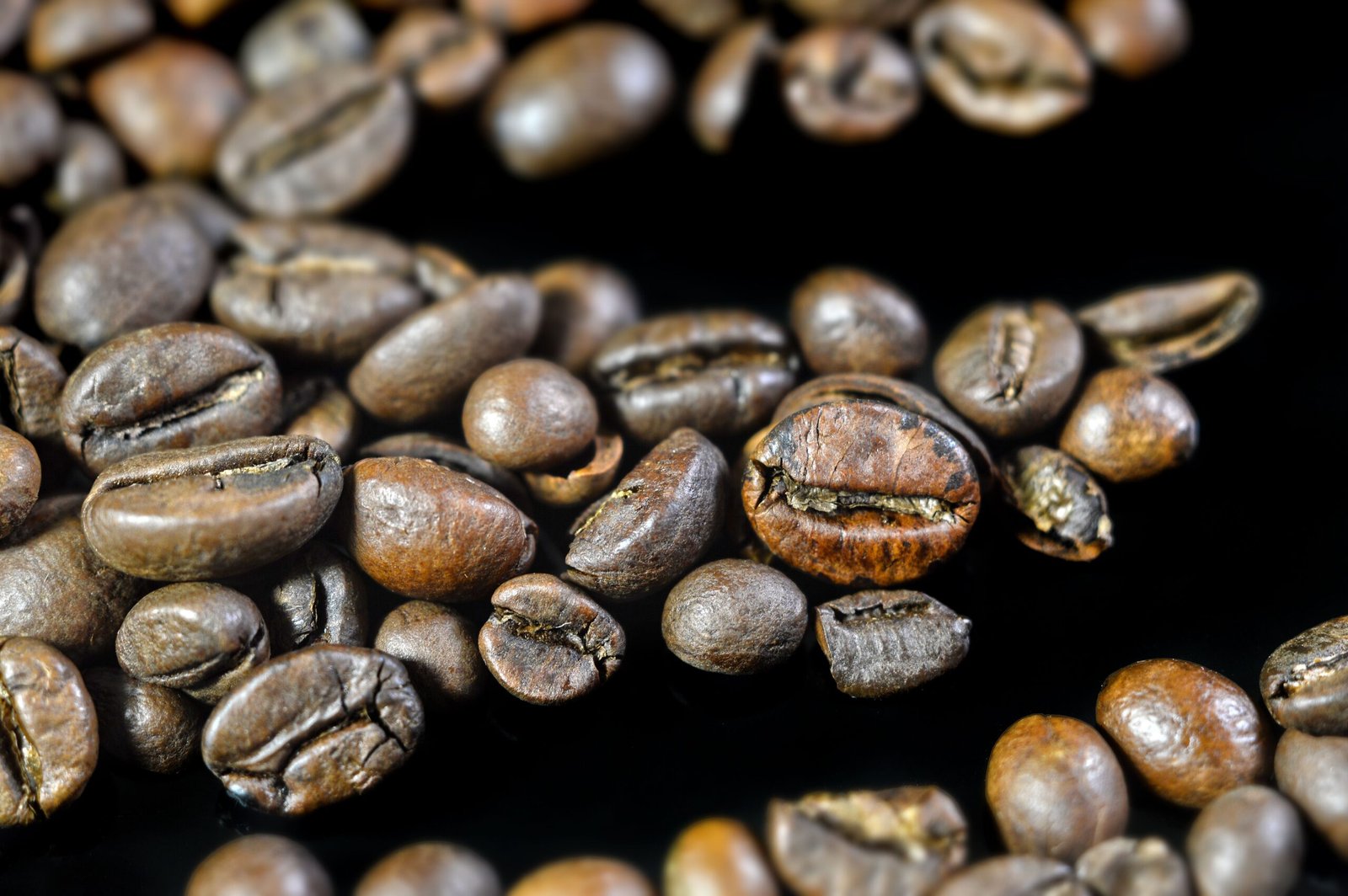
Arabica and Robusta: The Coffee Titans
Arabica beans possess a broad range of flavor profiles. They typically deliver a sweet, soft taste with fruity or floral undertones. You’ll often find them being marketed with specific flavor notes, such as chocolate, berry, or citrus. This complexity makes Arabica coffee ideal for specialty brews and artisanal coffee shops.
Overall, Arabica is seen as the higher-quality bean, thanks to its superior flavor and aroma.
On the other hand, Robusta beans have a more bitter, earthy flavor. They tend to contain higher caffeine levels, which contributes to their strong taste. Robusta is often used in espresso blends for its crema-enhancing properties, and its main appeal lies in its affordability and resilience against diseases. If you enjoy a bolder, more intense cup, Robusta might be your go-to choice.
Flavor Profiles: More Than Just a Taste
When choosing between Arabica and Robusta, considering the flavor profiles can significantly impact your brewing experience. Arabica’s acidity level is generally higher, offering a bright and clean finish. This makes it an excellent choice for lighter roasts, where you can really appreciate those nuanced flavors. In contrast, the more subdued acidity of Robusta allows for a fuller body, making dark roasts an ideal pairing.
Most coffee enthusiasts find themselves gravitating towards Arabica for its complexity, but it’s worth trying Robusta if you’re in the mood for an intense flavor kick. Depending on how you brew it, whether through a French presspour-over, or espresso machine, each type of bean can yield a different taste experience, which keeps coffee lovers coming back for more.
The Impact of Growing Regions
Delving into coffee beans wouldn’t be complete without considering where they come from. Arabica beans are primarily cultivated in regions like Colombia, Brazil, and Ethiopia. Each of these areas provides distinct growing conditions, leading to unique flavor notes. For example, Colombian Arabica often exhibits a smooth and mild profile, while Ethiopian variants can have bright, floral tones.
Robusta, more frequently grown in regions such as Vietnam and Brazil, tends to have a less diverse flavor palette due to the uniformity of its growth conditions. However, Vietnamese Robusta, often used in traditional Vietnamese coffee preparations, brings its own charm with rich and robust flavors. Knowing the origin of your beans can add another layer of depth to your coffee experience.
What to Avoid: Common Missteps in Coffee Selection
One mistake many people make is overlooking the significance of bean type in their brewing choice. If you stick to medium roasts because they seem the safest, you’re missing out on the complexities that different beans bring. Don’t pigeonhole yourself into a single type because you fear trying something new. Instead, be adventurous and explore various blends.
A simple swap from medium to dark roast can vastly change your morning cup.
Another pitfall is assuming all Arabica beans will fit your expectations. Just like wine, each coffee variety has its own nuances. Always sample different roasts and flavor notes to discover what you genuinely enjoy. The flavor profiles can vary significantly between beans from different regions, even if they fall under the Arabica umbrella.
My Recommended Brews: Best Bets for Flavor Fans
If you’re new to this coffee landscape, I recommend starting with a high-quality Arabica from Colombia or Ethiopia for a smooth introduction. If you like to experiment with your brews, consider a Robusta espresso blend for its thick crema and full body. The combination works wonders in espresso drinks like cappuccinos or lattes.
A piece of advice: invest in a good coffee machine and kettle to ensure you’re brewing at optimal temperatures, it can genuinely elevate your coffee experience. For those examining brewing methods, I’ve put together some insights on coffee machines versus Moka pots that might help you choose your ideal setup.
Ultimately, your choice between Arabica and Robusta should align with your taste preferences and brewing style. As you gain experience, you’ll develop your own favorites. The world of coffee is vast, so take the time to savor each cup and learn from your experiences.
Final Verdict: Arabica vs. Robusta, What’s Your Brew?
For a complex flavor profile, Arabica is the top choice, appealing to those who appreciate nuance in their coffee. On the other hand, for those who enjoy a stronger and more robust drink, Robusta is the better option. Switching between these two types can keep your coffee experience varied and interesting.
Frequently Asked Questions
What are the main types of coffee beans?
The main types of coffee beans are Arabica, Robusta, Liberica, and Excelsa. Among these, Arabica and Robusta are the most commonly cultivated and consumed varieties worldwide.
How do Arabica and Robusta differ?
Arabica beans are known for their sweet, complex flavor, lower caffeine content, and delicate acidity, while Robusta beans are stronger, harsher, and contain about double the caffeine. Additionally, Arabica plants are more susceptible to pests and diseases, making them less hardy than Robusta.
Which coffee beans are best for espresso?
The best coffee beans for espresso are often a blend of Arabica and Robusta, as the blend can provide a balance of flavor and crema. Many espresso enthusiasts prefer a medium to dark roast that enhances the rich, bold flavors typical of espresso.
Can coffee beans affect flavor?
Yes, the type of coffee bean significantly affects the flavor profile, with different beans offering various taste notes, acidity levels, and body. Factors such as origin, processing method, and roast level also play crucial roles in determining the final flavor.
Why do coffee beans have different roast levels?
Coffee beans have different roast levels to bring out specific flavors and aromas that enhance the overall coffee experience. The roasting process affects the beans' chemical composition, flavor intensity, and acidity, with lighter roasts retaining more original flavors and darker roasts emphasizing boldness and bitterness.




Leave a Reply