

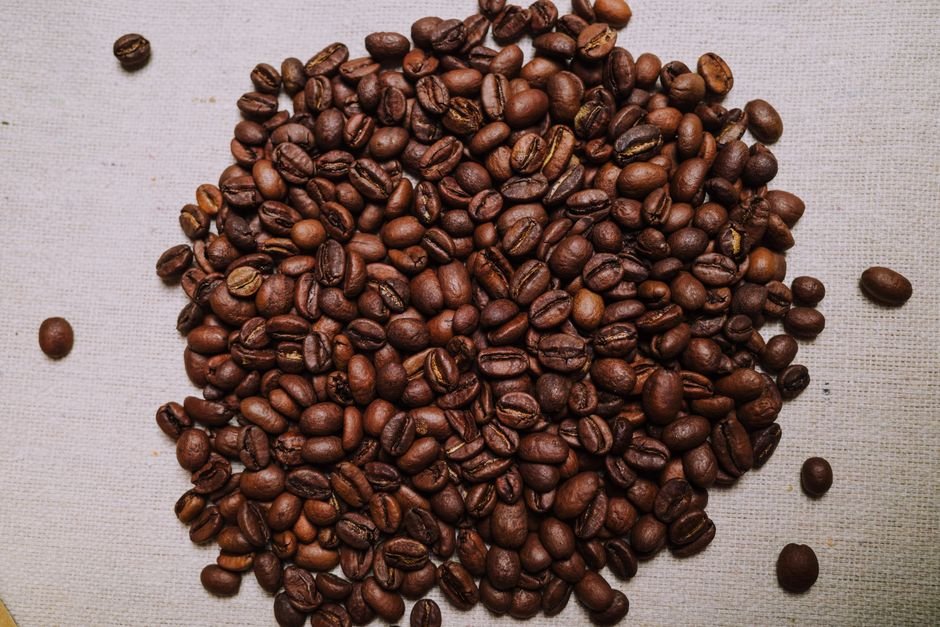
Roasting coffee beans at home can save you up to $100 a year compared to buying specialty roasts. It's a straightforward process that allows you to customize flavors to your liking. Understanding a few essential techniques can lead to successful roasting on your first try.
The moment you crack open a bag of green coffee beansnotice the vibrant, fresh smell, and realize that you can transform them into a delightful brew right in your kitchen, it’s a game-changer.
I’ve spent time experimenting with various methods and equipment, and I am excited to share how to roast coffee beans at home successfully, ensuring you achieve a roast that suits your taste perfectly.
Choosing the Right Green Coffee Beans
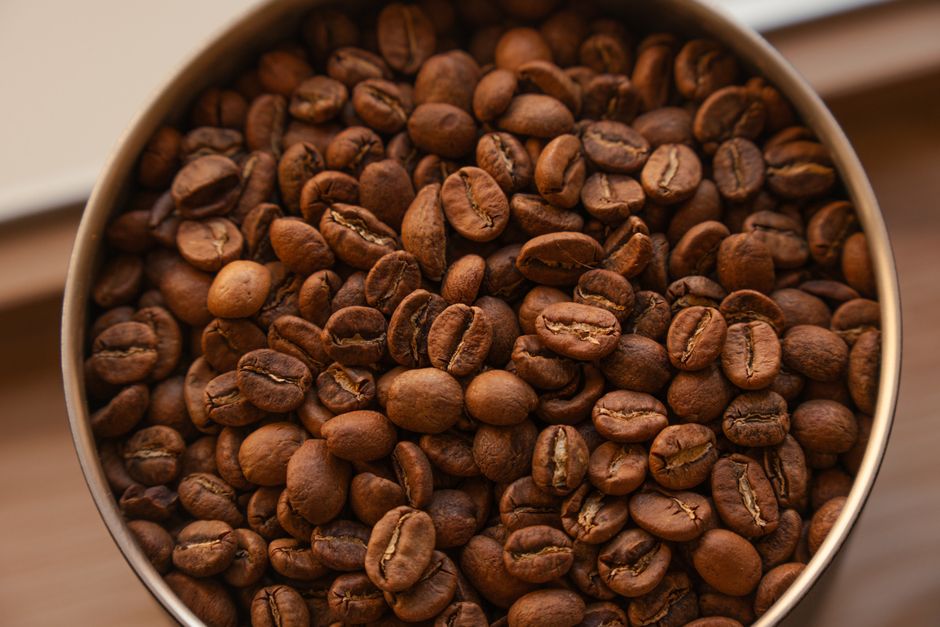
First, you’ll need to select your green coffee beans. There are countless varieties out there, each offering distinct flavors and aromas. I prefer single-origin beans because they provide more depth and clarity in taste. Look for beans labeled with their origin, as beans from regions like Ethiopia will taste different from those from Colombia or Brazil.
When buying, ensure you choose beans with good quality and consider how you’d like them roasted. Some might enjoy a light roast highlighting fruity notes, while others favor a bold, dark roast that brings out chocolatey flavors. Personally, I enjoy experimenting with blends as they can provide a rich complexity that pure varieties sometimes can’t achieve.
Essential Equipment for Home Roasting
You don’t need an expensive coffee roaster machine to roast beans at home. While these machines can offer precision, I often find that simple alternatives like a stovetop popcorn popper or an old cast-iron skillet work wonders. It’s all about keeping the beans in motion during roasting.
For those who want a more controlled approach, investing in a dedicated coffee roaster can be worthwhile. These machines boast features like temperature control and timed roast cycles, allowing you to experiment with roasting time more easily. I’ve found that standalone roasters often maintain a consistent roast if you’re looking for perfection in each batch.
The Roasting Process: Steps to Follow
Once you have your beans and equipment ready, the roasting process is straightforward. Here’s how I usually approach it:
- Preheat: If using a roaster, follow the manufacturer’s instructions. If using a skillet or stovetop popper, preheat it over medium heat.
- Add Green Beans: Pour a batch of green coffee beans into your roaster or skillet, ensuring they’re in a single layer. A typical starting amount is around ½ cup, but adjust based on your equipment size.
- Stirring: Keep the beans in motion. If you’re using a skillet, be sure to stir constantly to avoid burning.
- Listen for Cracks: As the beans roast, they’ll start to change color and make popping sounds, known as “first crack” around 385-395°F. This is when they transition from green to light roast.
- Monitor the Color: Continue roasting until they reach your desired level. Darker roasts can push into the “second crack” at around 440-450°F, usually only a few minutes after the first crack.
- Cool Down: Immediately transfer the beans to a cooling tray or a colander and shake them to cool quickly, as retained heat can continue the roasting process.
Roasting Time and Techniques
Roasting time can range from about 8 to 15 minutes, depending on your method and the roast level you’re aiming for. Lighter roasts typically take less time, while darker roasts will require more attention. One crucial element to remember is that every batch may slightly differ due to external factors like ambient temperature or humidity.
I always advise tasting and adjusting future roasts based on what you liked or didn’t like in the last batch.
For home roasting, patience is vital, especially in the initial stages while you learn how your equipment works. Keeping notes on each roast, the time, temperature, and the flavors you notice, can help you refine your technique over time.
Brewing Methods for Your Roasted Coffee
Once you’ve roasted your beans, the exciting part begins, brewing. Different brew methods can highlight various aspects of the coffee. A pour-over can emphasize subtle flavors, while a French press will offer a bolder, fuller taste. I often rotate between methods based on the roast profile I’ve achieved.
The key is to grind the beans just before brewing for maximum freshness. Generally, use a coarser grind for methods that utilize steeping for longer, like the French press, and a finer grind for faster methods like espresso or moka pot.
Final Thoughts: Customizing Your Coffee Experience
Learning how to roast coffee beans at home opens up a world of flavor profiles and personalization that you simply can’t find in store-bought options. With just a little practice and some quality green coffee beans, you can craft a brew that perfectly suits your taste every time. If you want to know more about the process, you can check out this article on how to roast coffee beans at home.
Choose an affordable method and equipment, what matters more is the joy found in the journey of trial and error.
If you’re also dealing with how to select the right coffee machineI have a detailed guide on that here: Coffee Machine vs Nespresso.
Frequently Asked Questions
What is the best temperature to roast coffee beans?
The best temperature to roast coffee beans typically ranges from 450°F to 500°F (232°C to 260°C). This range allows the beans to achieve an even roast while developing rich flavors.
Can you roast coffee beans in an oven?
Yes, you can roast coffee beans in an oven, although it may not provide as uniform a roast as other methods. Spread the beans out on a baking sheet in a single layer, and monitor them closely to achieve the desired roast level.
How long does it take to roast coffee beans at home?
Roasting coffee beans at home usually takes between 10 to 20 minutes, depending on the method and desired roast level. It's important to watch the beans closely as they can quickly go from light to dark.
Why roast coffee beans at home?
Roasting coffee beans at home allows you to customize the roast level and flavor profile according to your personal preferences. It also ensures freshness, as freshly roasted beans can significantly enhance the flavor of your coffee.
Is homemade coffee roasting worth it?
Homemade coffee roasting can be worth it for coffee enthusiasts who enjoy experimenting with flavors and achieving a level of freshness that store-bought coffee often lacks. However, it requires some practice and attention to detail to perfect the roasting process.


Leave a Reply