

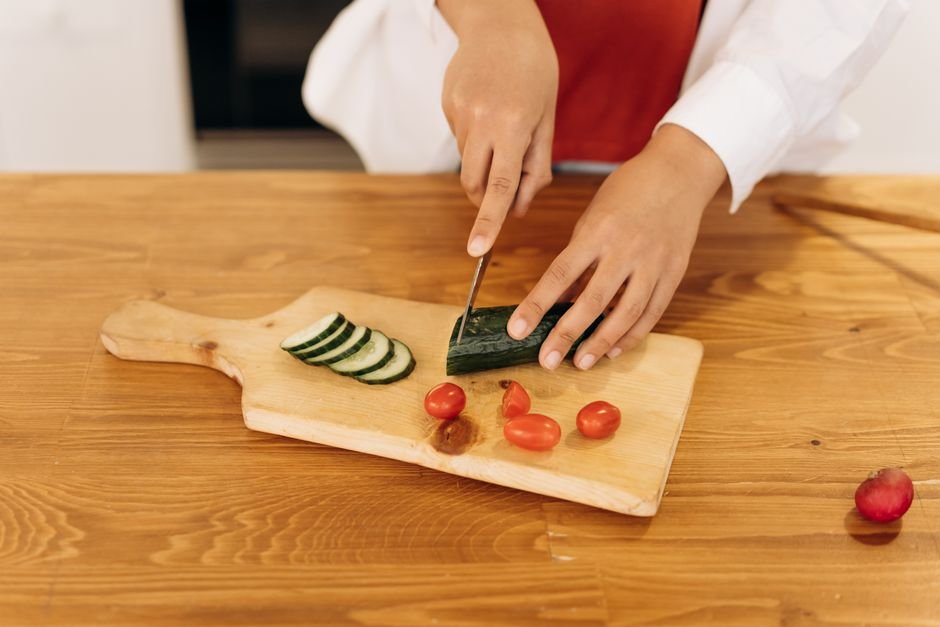
Improper use of a mandoline slicer can result in around 30,000 emergency room visits in the U.S. each year due to kitchen injuries. Safety and technique are paramount when handling this tool, as a moment of inattention can ruin an otherwise efficient cooking experience. Mastering the mandoline is about achieving precision in cuts while avoiding cuts on yourself.
Once you get the hang of it, a mandoline can slice vegetables and fruits with incredible precision and speed. Whether you’re prepping for a salad or gearing up to make crispy potato chips, knowing how to effectively use this kitchen tool will make your cooking experience wholly more enjoyable. Let me guide you through the nuances of using a mandoline slicer safely and efficiently.

Choosing the Right Mandoline Slicer
Not all mandoline slicers are created equal, so it’s crucial to choose one that fits your needs. In my experience, I’ve found that a model with adjustable thickness settings is a must. This ensures you can achieve precise cuts, whether you want paper-thin slices for chips or thicker slices for roasting. Look for a stainless steel blade for durability and easy cleaning.
Many mandolines come with a handful of attachments for various cutting styles, like julienne or waffle cuts. I recommend getting one with a safety handguard; this will protect your fingers from the blade, which can be unforgiving if you’re not vigilant. You should also check the stability of the slicer; a sturdy one will prevent slips during your slicing.
Setting Up for Slicing
Once you’ve chosen your mandoline slicer, it’s time to set it up. First, find a flat, stable surface to work on. An unstable counter unit can lead to accidents. Next, secure the slicer to the countertop, some designs feature suction cups that help create a non-slip surface. This small step is crucial for maintaining control during slicing.
Next, select the thickness you want for your slices. I always start at a middle setting, as it’s easier to adjust down or up from there. Depending on what you’re slicing, think potatoes, zucchinis, or carrots, consider their sizes. Smaller pieces are easier to handle, and they slice more evenly.
Safe Slicing Techniques
When you’re ready to slice, place the food securely against the blade. This is where the handguard shines. Don’t try to slice food with just your fingers; I’ve learned this lesson the hard way. The handguard holds the pieces firmly while keeping your fingers safely away from the blade’s path.
I always slice in a fluid motion, maintaining an even pressure. Start at the top and glide the food item down, letting the machine do the work. If you feel resistance, this usually means you’re not applying enough pressure, or the slice is too thick. Just slightly adjust your thickness dial and keep going.
Cleaning and Maintenance
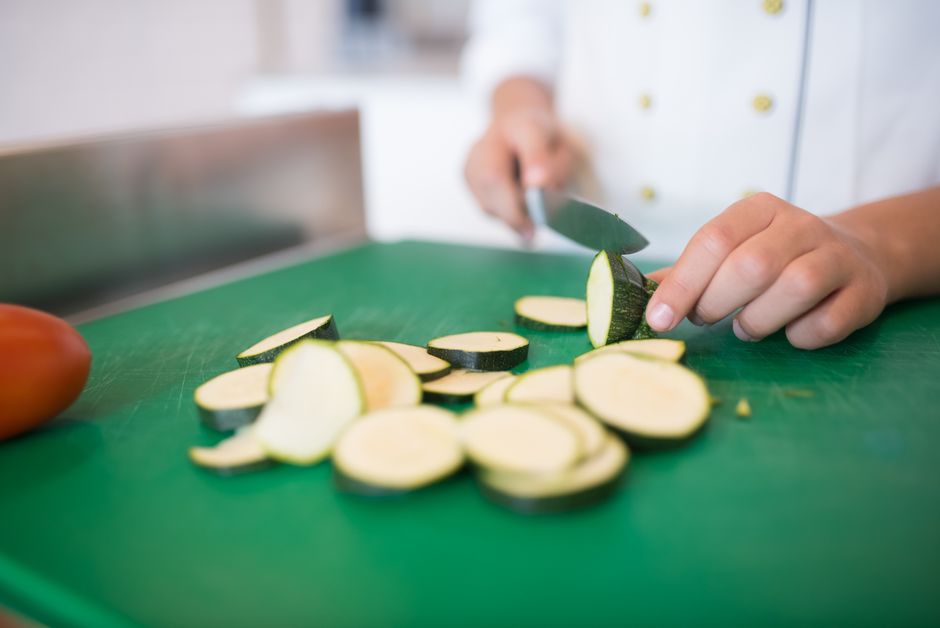
After you’re done, cleaning your mandoline slicer is essential for prolonging its useful life. Most models are dishwasher-safe, but I recommend washing them by hand to prevent any potential dulling of the blade or damage to plastic components due to high heat. Use a soft sponge; a stiff brush can scratch the surface.
Also, remember to dry your slicer thoroughly before storing it away. Moisture can lead to rust, particularly on stainless steel blades. It’s wise to give the slicer a quick inspection before each use, too, checking for any nicks in the blade or loose screws.
If that matters to you, our piece on perfect brew goes further.
Conclusion: Make the Most of Your Mandoline
I recommend the Benriner Mandoline for its quality and ease of use, especially for beginners. For seasoned cooks looking for versatility, the OXO Good Grips Slicer offers adjustable thickness settings. No matter your choice, always invest in a hand guard to prioritize safety while enjoying improved food prep. To learn more about how to use a mandoline slicer, check out this resource.
Frequently Asked Questions
What are the benefits of a mandoline slicer?
A mandoline slicer allows for uniform slicing, which enhances presentation and ensures even cooking. It is also faster than using a knife, saving you time when preparing ingredients.
Can you use a mandoline slicer for fruits?
Yes, a mandoline slicer is excellent for slicing fruits like apples, pears, and eggplants. It allows for precise cuts that are ideal for salads, garnishes, or fruit tarts.
Why is a mandoline slicer dangerous?
A mandoline slicer can be dangerous because it has extremely sharp blades that can easily cause cuts if not handled correctly. Additionally, without a proper hand guard or protective glove, there's a risk of fingers coming in contact with the blade.
How do you clean a mandoline slicer?
To clean a mandoline slicer, disassemble any removable parts and wash them in warm, soapy water. Be sure to use a brush or cloth to clean the slicer's blades carefully, and avoid soaking any parts that aren't dishwasher-safe.
What can you slice with a mandoline slicer?
A mandoline slicer can be used to slice a variety of vegetables and fruits, such as potatoes, carrots, cucumbers, and zucchini. It is also effective for cutting cheese and creating julienne strips for salads and stir-fries.



Leave a Reply