

Choosing eco-friendly materials for home renovations can reduce your carbon footprint by up to 30%. After researching various sustainable options, I've identified some materials that excel in energy efficiency and environmental impact, making them the top choices for your projects.

1. Bamboo Flooring
Bamboo is a highly renewable resource that grows quickly, making it one of the best eco-friendly materials for home renovations. It has a hardness comparable to traditional hardwoods, yet it regrows in just a few years. For homeowners seeking an attractive and durable flooring option, bamboo provides a great aesthetic while being sustainable.
I recommend looking for products that are certified by organizations like the Forest Stewardship Council to ensure you’re choosing a genuinely eco-friendly option.
A practical tip: keep in mind that bamboo can be sensitive to moisture, so it’s best used in low-humidity areas like living rooms and bedrooms rather than bathrooms.
2. Reclaimed Wood
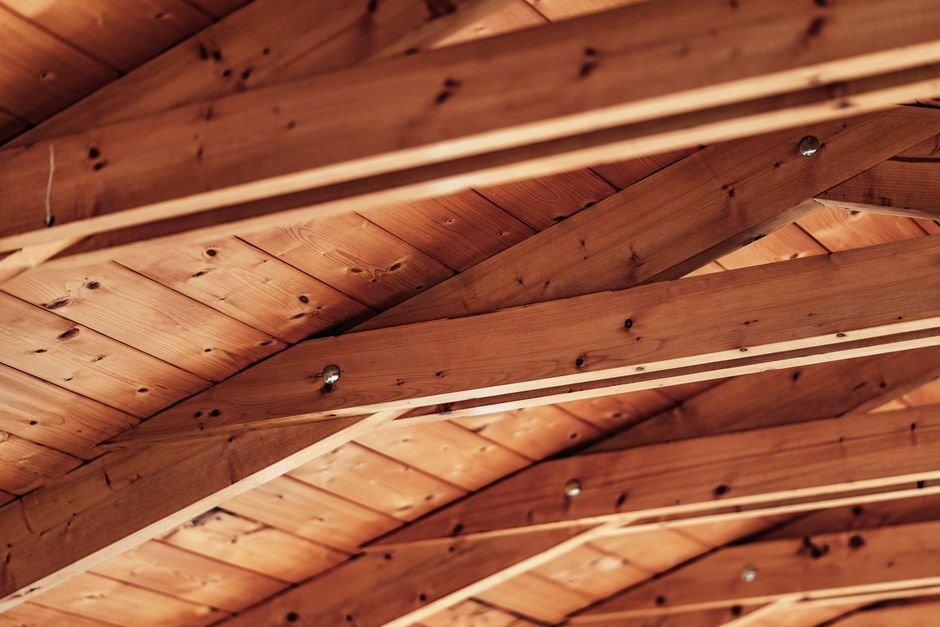
Using reclaimed wood is a fantastic way to reduce waste while adding character to your home. This material consists of timber salvaged from old buildings or furniture, resulting in unique textures and colors that simply can’t be replicated. Reclaimed wood works well for everything from flooring to accent walls and furniture. If you appreciate handcrafted aesthetics, this is a winner for you.
Just ensure it’s properly treated for pests and toxins before installation.
Consider visiting local salvage yards or antique shops to find high-quality reclaimed materials and save money while adding history to your space.
3. Hemp Insulation
Hemp insulation is gaining traction in the construction industry due to its natural origins and excellent thermal properties. Made from the fibers of the hemp plant, it is a biodegradable, non-toxic material perfect for insulating walls and attics. This insulation offers not only great energy efficiency but also soundproofing benefits, making it ideal for densely populated areas.
For those concerned with indoor air quality and sustainability, hemp insulation is a strong contender.
As a tip, ensure that the hemp insulation is treated for fire resistance, which can be a crucial factor in areas prone to wildfires.
4. Recycled Glass Countertops
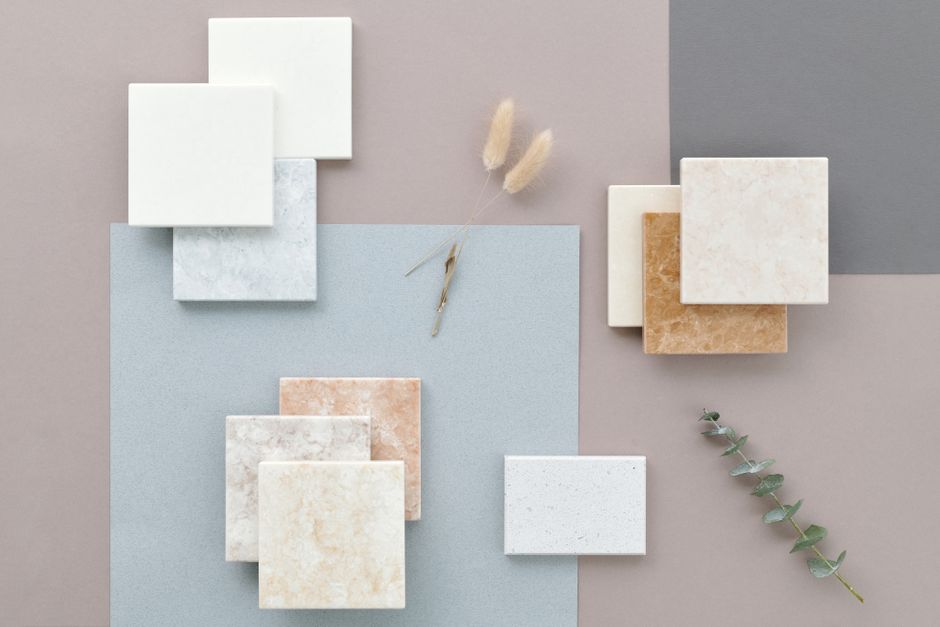
Recycled glass countertops are both stunning and environmentally friendly, crafted from crushed glass combined with resin or concrete. They are available in a variety of colors and styles, allowing for versatility in design. This material is well-suited for kitchens and bathrooms, as it’s resistant to stains and scratches while being easy to clean.
I believe homeowners who want a modern look without sacrificing their values will appreciate this choice.
One consideration: the brightness and visual appeal depend on the percentage of recycled content, so opt for products with at least 70% recycled materials for the best effect.
5. Low-VOC Paints
Using low-VOC (volatile organic compound) paints is an essential aspect of any eco-friendly renovation. These paints release fewer harmful chemicals into the environment and have a significant positive impact on indoor air quality. There are numerous options available now in a range of colors, ensuring you don’t have to compromise on your aesthetic goals.
Choosing low-VOC paints is especially vital in areas with poor ventilation or for sensitive individuals, making it a straightforward yet impactful choice.
Before purchasing, always check the labels for certifications like Green Seal or Greenguard, which indicate that the product meets certain environmental standards.
6. Cork Flooring
Cork flooring is another renewable option that offers natural insulation and sound absorption, which makes it a great choice for both comfort and energy efficiency. Harvested from the bark of cork oak trees, it regenerates quickly, making it sustainable. Cork is excellent for spaces where comfort underfoot is a priority, such as kitchens and playrooms.
If you’re someone who values both eco-friendliness and comfort, this might be your best pick.
Keep in mind that cork can be sensitive to moisture, so sealing it properly will help maintain its integrity in areas with high humidity.
7. Cellulose Insulation
Lastly, cellulose insulation, made from recycled paper products, is another highly effective eco-friendly material available for home renovations. It’s treated with fire retardants and offers superior thermal properties, making it great for energy efficiency. Among those renewing older homes, cellulose is often favored for its ability to fit into irregular spaces, providing comprehensive coverage.
If you’re keen on reducing energy bills, this is a compelling option to consider.
A practical note: cellulose should ideally be installed by professionals to ensure it’s properly compacted and prevents settling.
How to Choose
For the best results, I recommend using reclaimed wood for structural elements and finishes, especially if you value authenticity and durability. Alternatively, if you prioritize indoor air quality, consider low-VOC paints and finishes, which are suitable for spaces where you spend significant time.
Related reading: home security standouts.
Frequently Asked Questions
What are the best eco-friendly materials for home renovations?
Some of the best eco-friendly materials for home renovations include the best eco-friendly materials for home renovations include reclaimed wood, bamboo, recycled metal, natural stone, and sustainable insulation like wool or cellulose. These materials not only reduce environmental impact but also offer durability and aesthetic appeal.
How can I make my home renovation sustainable?
To make your home renovation sustainable, consider using energy-efficient appliances, choosing eco-friendly materials, and maximizing natural light. Additionally, implement waste reduction practices by recycling old materials and ensuring proper disposal of non-recyclable waste.
What materials are considered eco-friendly?
Eco-friendly materials include reclaimed wood, bamboo, recycled metal, glass, low-VOC paints, and natural insulation materials. These options have a lower impact on the environment, are often more sustainable, and promote healthier indoor air quality.
Is bamboo a good material for renovation?
Yes, bamboo is considered a good material for renovations due to its fast growth and renewability. It's durable, lightweight, and can be used for flooring, cabinetry, and furniture while offering a unique aesthetic.
Can recycled materials be used in home renovations?
Absolutely, recycled materials can be effectively used in home renovations. Items like reclaimed wood, recycled glass, and repurposed bricks not only reduce waste but also add character and history to your home.



Leave a Reply