

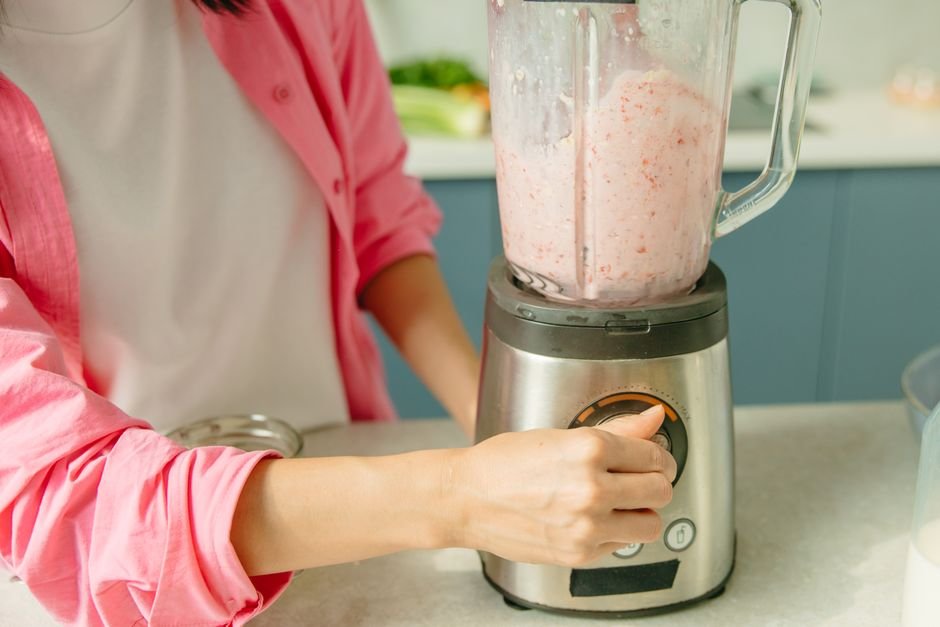
About 30% of people fail to consider essential features when selecting a blender for smoothies, often prioritizing brand names or lower prices instead. This oversight can make blending frozen fruits and leafy greens a frustrating ordeal. To truly enjoy smoothies, you need a blender that fits your daily needs and lifestyle.
Through my own research and insights gained from years of blending, I’ve honed in on the most important aspects to consider. Let’s dive into what you should prioritize and what to avoid when selecting the right blender for your smoothie adventures.

Key Features of a Smoothie Blender
First off, not all blenders are created equal when it comes to making smoothies. The first factor to consider is the power. A blender with at least 600 watts will provide enough horsepower to blend frozen fruits and sturdy greens efficiently. Lower wattage models might leave you with chunks, which is definitely not the silky-smooth finish you want.
Another important feature is blade design. A good blender should have sharp, durable blades that can process scoops of ice and fibrous vegetables. Look for models with multi-tiered blades that create a vortex effect, pulling ingredients down for more thorough mixing. This makes a substantial difference in the texture of your final product.
- At least 600 watts of power
- Multi-tiered blade design
- Durable materials, such as stainless steel
Lastly, check for variable speed settings and pre-programmed settings. Different ingredients need different blending techniques. Having control over power settings allows you to fine-tune your smoothie consistency. A model that can handle everything from frozen fruits to soft bananas will give you the best versatility.
Portability for Smoothies on the Go
If you’re like me and enjoy smoothies while traveling, a travel-friendly blender is a must. Look for compact designs that are lightweight and easy to stow. Some blenders even come with portable cups that double as blending containers. This not only saves time but also minimizes cleanup. If you don’t want to wash traditional blender jars, these options are worthwhile.
While considering portability, think about the battery life if you choose a cordless model. Reliable battery-operated blenders should offer at least 15-20 blends on a single charge, enough to get through a week of smoothies without constant recharging.

Ease of Cleaning: A Critical Decision
No one wants to spend extra time scrubbing a blender after a morning smoothie. That’s why I emphasize choosing a model that’s easy to clean. Look for blenders that have dishwasher-safe components or those with a self-cleaning mode. A simple rinse could mean the difference between a quick clean-up and an arduous chore.
In my experience, blenders with a wide mouth and fewer crevices are the easiest to clean. They allow for easy access to every part of the blending container, ensuring you can reach all those tricky bits where smoothie residue gets trapped. This feature saves you minutes each day. Remember, the last thing you want is to dread making your morning smoothie because of clean-up time!
What to Skip When Buying a Blender
While shopping, it can be tempting to get caught up in flashy features that don’t serve your actual needs. For instance, avoid overpaying for high-end brands merely for their name; many mid-range blenders offer similar capabilities without the price tag. You don’t need to spend a fortune if you’re looking strictly for smoothie functionality.
Additionally, don’t be swayed by unnecessary add-ons like multiple blending jars if you know you’ll only use one. Extra attachments can take up space and lead to clutter in your kitchen.
- Avoid overpaying for brand names
- Skip unnecessary attachments and accessories
- Don’t settle for low wattage
Budgeting and Power: Finding Your Sweet Spot
Cost and power output usually go hand in hand, but it’s essential to strike the right balance. A good blender for smoothies isn’t always the cheapest option; plan to invest around $100 to $200 for a solid, reliable tool that will get the job done. In my research, I found that lower-end models often struggle with durability and performance under regular use.
Consider your typical blending routine. If you blend daily, investing in a robust blender that can withstand frequent use is critical. This initial investment pays off over time by saving headaches and money through a longer lifespan.
For more, read about types of coffee.
For more, read about types of coffee.
Conclusions: The Best Choice for Your Needs
The best choice for a smoothie blender is one with high wattage and easy cleanup, such as the Vitamix 5200, which is excellent for those who blend frequently and value performance. For casual users or those on a budget, a compact model like the NutriBullet can deliver satisfying results without the bulk. Prioritize a machine that matches your lifestyle to keep your smoothies consistently enjoyable.
Frequently Asked Questions
What features to look for in a smoothie blender?
When choosing a smoothie blender, look for a powerful motor, ideally 600 watts or more, to blend ingredients smoothly. Additionally, consider features like a range of speed settings, a durable pitcher (preferably glass or BPA-free plastic), and blades designed specifically for crushing ice and tough ingredients.
Why are some blenders better for travel?
Blenders designed for travel are typically more compact and often come with portable blending cups that can double as drinking jars. They may also have battery-operated options or lighter designs that make them convenient to transport without compromising too much on power.
How do I know if a blender can crush ice?
Check the specifications for the blender's motor power and blade design; a blender with at least 600 watts and specially designed ice-crushing blades is more likely to handle ice effectively. User reviews and product descriptions often highlight whether the blender is rated for crushing ice.
Is a portable blender powerful enough for smoothies?
Many portable blenders can prepare smoothies, especially those with a motor power of at least 300 watts. However, for optimal performance with frozen fruits and tougher ingredients, it's ideal to choose a model known for its blending capabilities.
Can I take a blender in checked luggage?
Yes, you can take a blender in checked luggage, but it's important to ensure that it is well-packed to prevent damage during transport. Additionally, make sure to check airline regulations regarding size and weight limits.
Additionally, you can learn more about how to choose a blender for smoothies to refine your decision.



Leave a Reply