

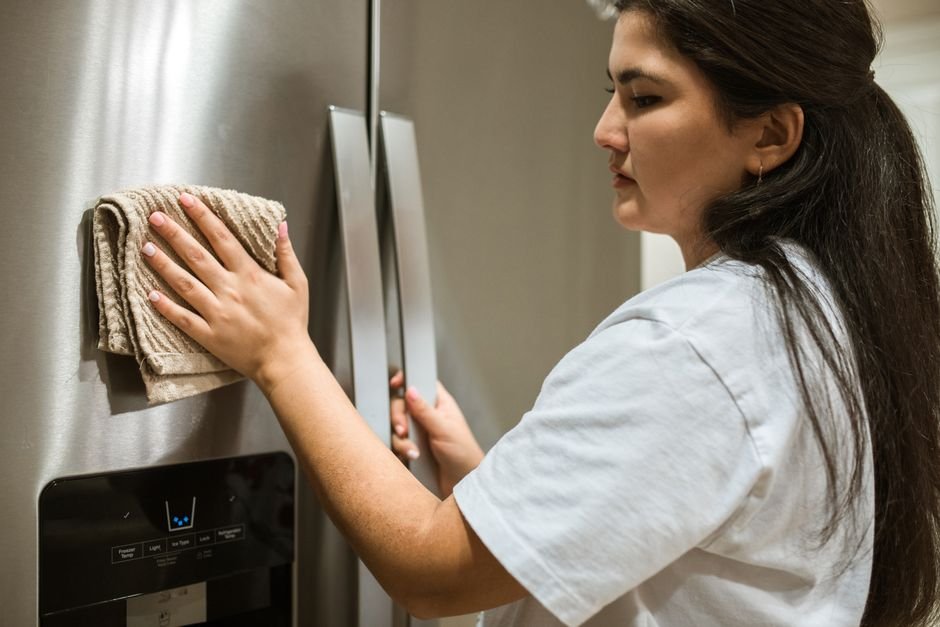
Seventy percent of homeowners struggle to keep stainless steel appliances clean due to fingerprints and smudges. A straightforward method can help restore the shine without the hassle of streaks, making your kitchen look polished and well-maintained.
Whether you’re dealing with a refrigerator, dishwasher, or oven, the rules generally apply across the board. Following is my experience with cleaning stainless steel appliances effectively while also avoiding damage to the surface.
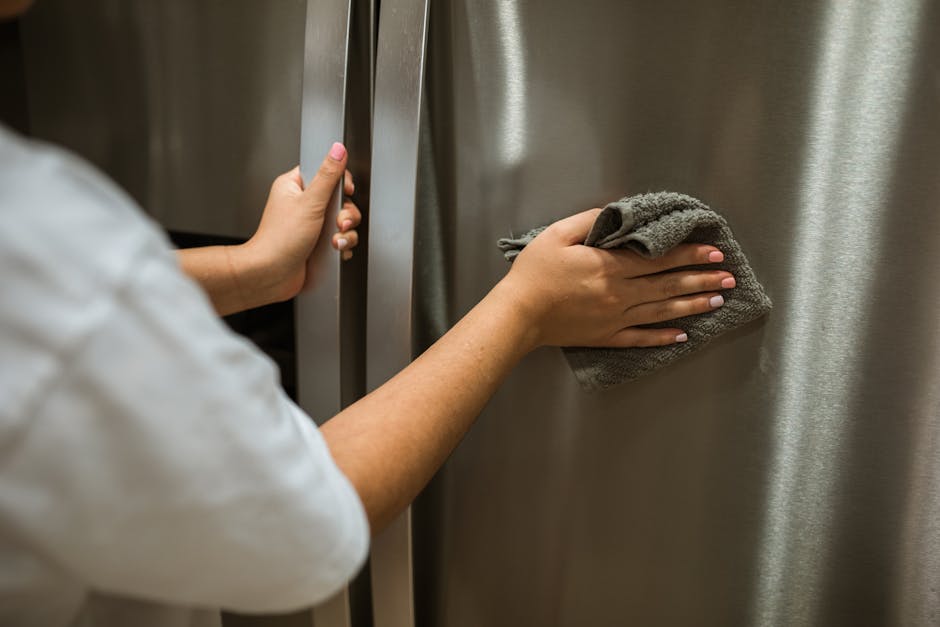
Common Problems with Stainless Steel Cleaning
Firstly, the recurring issue of fingerprints is something many of us grapple with. It doesn’t matter how often I clean; they seem to reappear as soon as I close the door. This can make it feel like a losing battle. Additionally, if you’ve ever experienced hard water stains, you know they can be stubborn and difficult to remove.
Another headache arises when trying to find the right cleaning product. Many store-bought cleaners are laden with chemicals that can dull the stainless steel surface over time. For anyone looking to maintain that shine, these products often create more work in the long run.
The challenge lies in achieving a streak-free finish while also keeping the surface scratch-free. Using the wrong tools or substances can lead to more damage. Trust me, I’ve learned which products result in streaks and which actually work after some trial and error.
Effective Home Remedies for Stainless Steel
You don’t need fancy products to clean your stainless steel appliances. I’ve found success with several natural cleaning solutions that you likely already have at home. A classic is the oil and vinegar method. Combine equal parts of olive oil and white vinegar, about a tablespoon of each will do. Spray or wipe this mixture on the surface with a microfiber clothbuffing it gently. The result is a sparkling finish that tackles fingerprints and smudges.
Another tip is to use baking soda mixed with water to create a paste. It’s perfect for those tougher stains where the cleaner alone doesn’t work. Apply the paste, let it sit for a few minutes, and then wipe it off with a damp cloth. Just remember: always follow the grain of the steel when cleaning to avoid scratches.
Using a microfiber cloth is essential. Unlike paper towels or sponges, microfiber won’t scratch the surface while still providing effective cleaning. Plus, they’re reusable, making them easier to manage and more environmentally friendly.

Store-Bought Cleaners: Worth the Investment?
While DIY solutions work wonders, sometimes store-bought cleaners are necessary. But not all cleaners are created equal. After testing popular brands, I can confidently recommend those specifically designed for stainless steel. Look for ones free of harsh chemicals and oils that might attract more dirt.
Different brands often boast various benefits, like ease of use or a shiny finish. However, I find that most cleaners either leave behind streaks or require excessive buffing to achieve a decent result. When choosing a cleaner, read reviews, because some cleaners simply don’t live up to their claims.
Overall, while I do keep a few commercial cleaners in my cabinet, natural methods often win out for day-to-day cleaning. They’re less expensive and just as effective.
Tips for Maintaining Stainless Steel Appliances
The best way to keep stainless steel appliances looking their best is through regular maintenance. After cooking, wipe down the surfaces to prevent grime build-up. I also make it a habit to clean them at least once a week with my preferred method, whether it’s the vinegar and oil solution or a commercial cleaner.
Additionally, using a protective coating can make a significant difference. After cleaning, apply a small amount of mineral oil to a cloth and buff it into the surface. This helps create a barrier, making the surface less prone to fingerprints and stains. It’s a small step that can extend the time between cleanings significantly.
Ultimately, maintaining stainless steel appliances doesn’t have to be daunting. With the right tools and techniques, you’ll find they can shine brilliantly with minimal effort.
Conclusion: Which Method is Best?
I highly recommend the homemade vinegar and oil technique, as it's efficient and only requires two ingredients. For tougher stains, consider a high-quality commercial cleaner that targets specific issues. Regular upkeep is essential; set a routine to prevent grime buildup and maintain your appliances effortlessly.
Frequently Asked Questions
What is the best cleaner for stainless steel?
The best cleaner for stainless steel appliances is often a dedicated stainless steel cleaner that contains mild surfactants and oils. Alternatively, a mixture of warm water and mild dish soap can also effectively clean the surface without causing damage.
How do you keep stainless steel appliances shiny?
To keep stainless steel appliances shiny, regularly clean them with a microfiber cloth, using a stainless steel cleaner or a mixture of vinegar and oil. Wiping in the direction of the grain will help maintain the shine and appearance.
Can vinegar damage stainless steel appliances?
Yes, vinegar can potentially damage stainless steel appliances if used frequently or left in contact for too long, as its acidity can lead to corrosion. It's best to use vinegar diluted with water and to rinse thoroughly afterward.
Is it okay to use baking soda on stainless steel?
Yes, it is generally okay to use baking soda on stainless steel, as it acts as a gentle abrasive that can help remove stains. However, it's important to rinse thoroughly afterward to prevent any residue from remaining on the surface.
What causes streaks on stainless steel appliances?
Streaks on stainless steel appliances are often caused by using the wrong cleaning materials, inadequate drying methods, or cleaning against the grain. Additionally, residue from cleaning products can also contribute to a streaky appearance.





Leave a Reply