

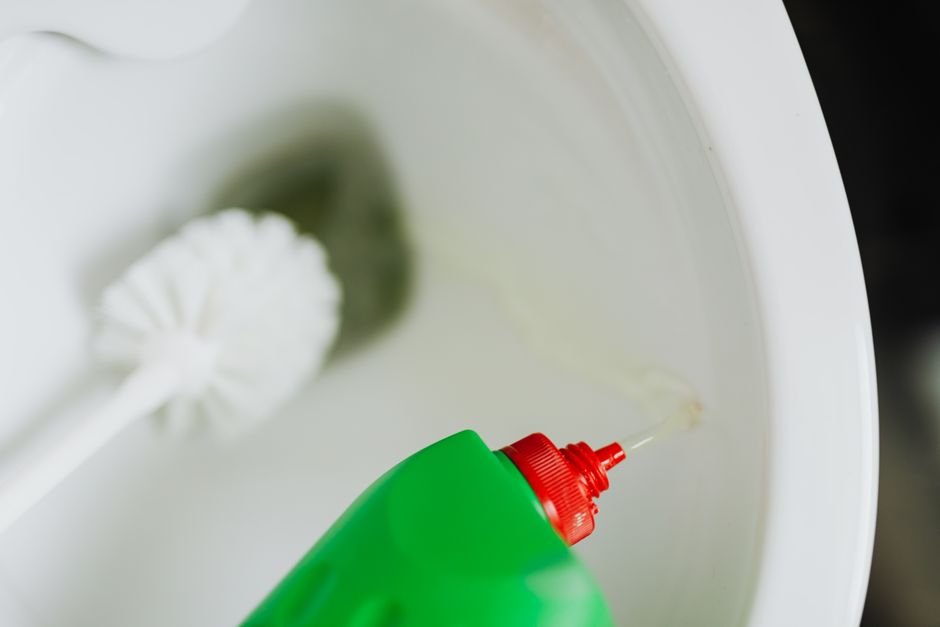
Seventy percent of households use chemical cleaners for their toilet bowls, often leading to health risks and environmental hazards. Fortunately, you can achieve a thorough clean using much safer alternatives. By employing simple techniques, you can maintain a spotless toilet without compromising your well-being or the planet.
Many worry that eco-friendly cleaners won’t be as effective against tough stains and bacteria. Yet, my experience shows that with the right approach, you can achieve excellent results. When it comes to routine cleaning, I always turn to simple household products that effectively tackle grime, lime scale removal, and other toilet bowl issues without the harmful side effects.
Essential Tools for Effective Cleaning
Before diving into the cleaning process, gather a few practical supplies that will enhance your cleaning routine. Using the right tools can make a significant difference. Here’s what you’ll need:
- Toilet brush
- Vinegar
- Baking soda
- Essential oils for fragrance (optional)
- Soft cloth or sponge
- Rubber gloves
The toilet brush is central to cleaning the bowl, while vinegar and baking soda work together as powerful eco-friendly cleaners. This combination tackles stains and deodorizes simultaneously. If you prefer a pleasant scent, adding a few drops of essential oils will help freshen up your bathroom without resorting to synthetic fragrances.
Steps to Clean Without Harsh Chemicals
Now that you have everything ready, here’s a step-by-step guide to clean your toilet bowl effectively:
- Start by pouring about two cups of vinegar into the toilet bowl. Allow the vinegar to sit for a few minutes. This step helps break down stains and disinfect the bowl.
- Next, add about a cup of baking soda and watch the fascinating fizz as it reacts with the vinegar. This reaction not only helps remove tough stains but also works to eliminate any lingering odors.
- After letting the mixture sit for around 10-15 minutes, take your toilet brush and scrub the entire bowl, paying special attention to any stains or mineral buildup.
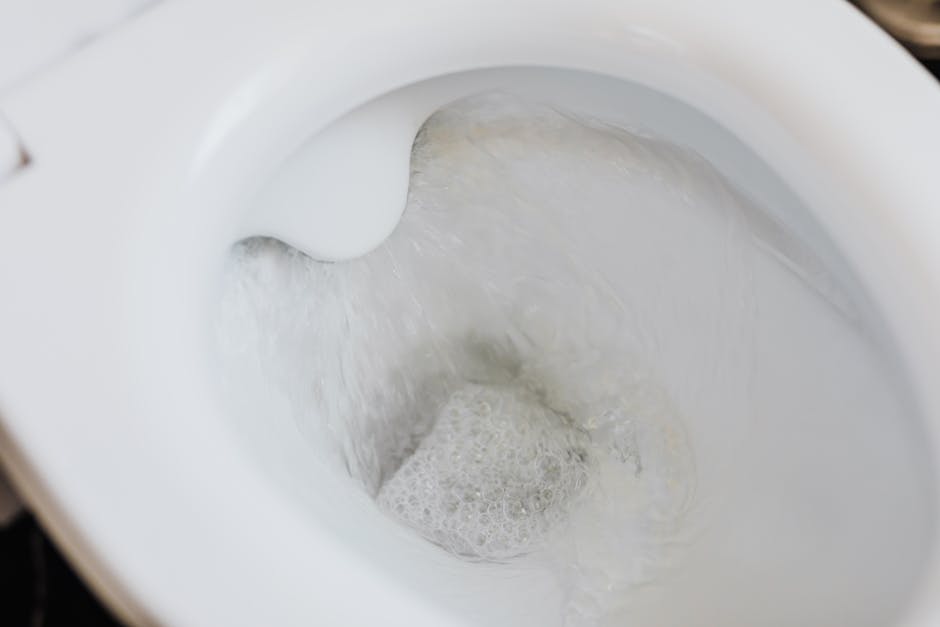
- Flush the toilet to rinse away the vinegar and baking soda. You’ll notice how fresh and clean the bowl looks afterwards!
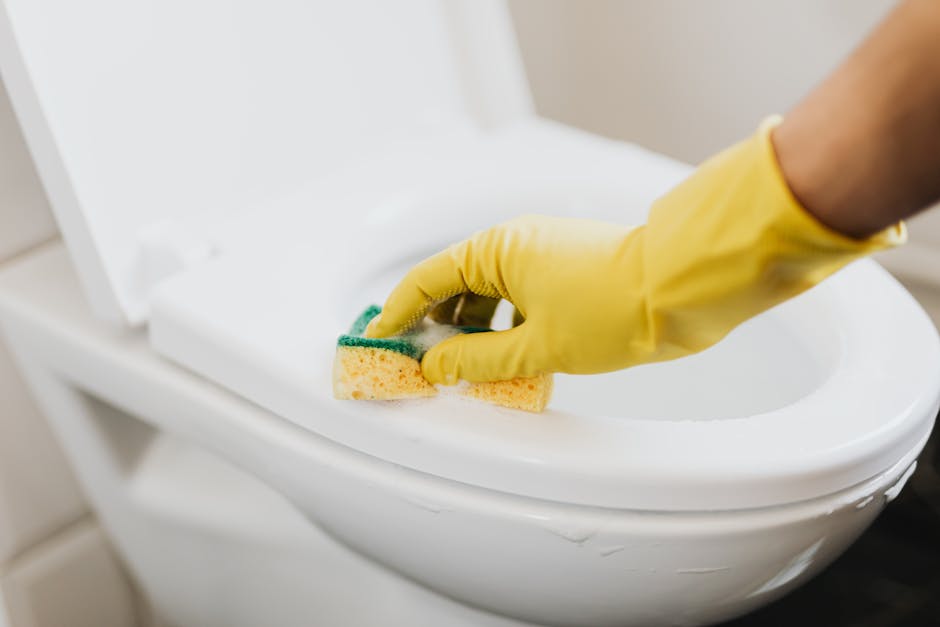
- If needed, wipe around the rim and the exterior of the toilet with a damp cloth or sponge to complete your cleaning session.
This efficient cleaning method should leave your toilet bowl looking pristine and extends the time between deep cleans. The combination of vinegar and baking soda not only works well for regular cleanings but also stands out in lime scale removal, which is crucial if you live in an area with hard water.
Maintaining a Regular Cleaning Routine
To avoid the buildup of hard stains, I recommend establishing a regular cleaning schedule. A quick clean every week using the vinegar and baking soda method can ensure your toilet stays fresh and hygienic. It may sound tedious, but dedicating a few minutes each week can save you from tougher cleaning jobs later on.
Additionally, you can keep the toilet cleaner for longer by flushing when not in use, especially if you have guests. If I anticipate a heavy use period, I will even drop a couple of dishwasher detergent pods into the bowl to help minimize the build-up. This simple step can mitigate odors and maintain cleanliness.
Conclusion: Eco-Friendly Cleaning Wins
For the best results, I recommend using a combination of vinegar and baking soda, as this method effectively tackles stains while being safe for most users. If you prefer something pre-mixed and ready to use, an eco-friendly toilet cleaner might suit your needs better. Either choice offers a cost-effective solution that prioritizes hygiene without the use of harsh chemicals.
Frequently Asked Questions
What is the best cleaner for toilet bowls?
The best cleaners for toilet bowls include specially formulated toilet bowl cleaners that contain disinfectants and stain removers. Products with chlorine bleach, hydrogen peroxide, or citric acid can effectively tackle tough stains and germs.
Why does my toilet get dirty so quickly?
A toilet can get dirty quickly due to hard water deposits, waste buildup, or the presence of bacteria and mold, which thrive in moist environments. Additionally, factors like infrequent cleaning or heavy usage can accelerate the accumulation of stains and grime.
Can vinegar damage a toilet bowl?
Vinegar is generally safe for cleaning toilet bowls and can help remove stains and mineral deposits. However, it should not be mixed with bleach, as this combination can produce harmful fumes.
How often should you clean the toilet bowl?
It's recommended to clean the toilet bowl at least once a week to prevent the buildup of stains and bacteria. If you have a heavy usage household or hard water issues, you may need to clean more frequently.
Is bleach safe for toilet cleaning?
Yes, bleach is safe for cleaning toilets and is effective at disinfecting and whitening toilet bowls. However, it should be used with caution and should not be mixed with other cleaning products, especially ammonia.




Leave a Reply