

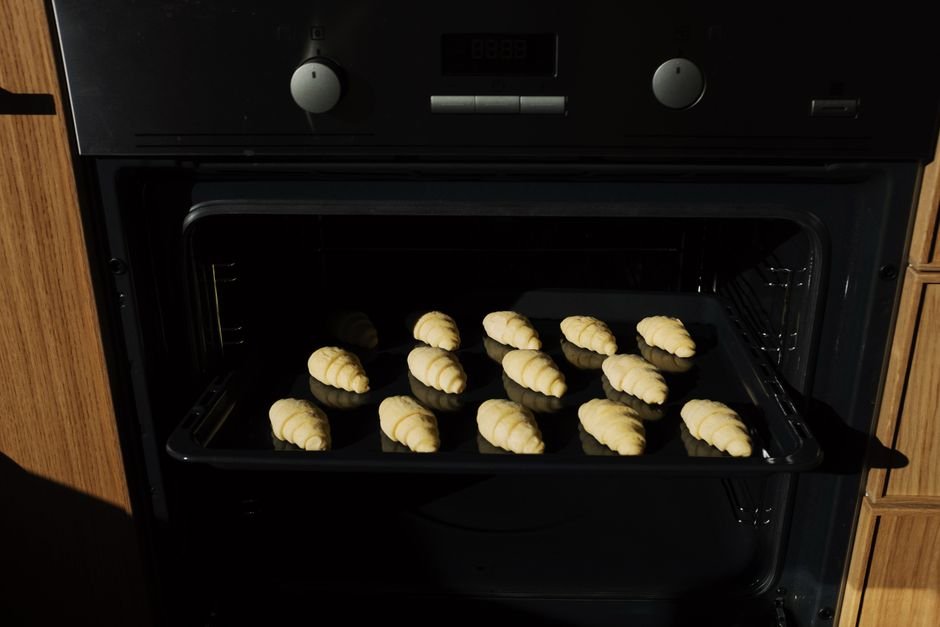
A convection oven can reduce cooking time by up to 25% compared to conventional ovens. This efficiency makes it a valuable tool for busy cooks looking to prepare meals quickly and evenly without sacrificing quality.
First and foremost, you’ll want to familiarize yourself with the basic functions of a convection oven. Unlike conventional ovens that rely on heating elements, convection ovens utilize a fan and exhaust system to circulate air. This not only reduces cooking times but also allows for more uniform heating. Ultimately, this is the edge that lets you whip up meals with precision.

The Foundation: Preheating and Temperature Settings
One crucial aspect of using a convection oven effectively is preheating. I’ve found that preheating is essential for achieving optimal results, particularly for baking with a convection oven. Set your oven to your desired temperature and allow it to preheat for about 10 to 15 minutes before placing your food inside.
This short wait is worth it because it allows your oven to reach a stable temperature, resulting in more accurate cooking.
When adjusting your convection oven temperature settings, it’s typical to reduce the temperature by about 25°F compared to traditional baking. For instance, if a recipe calls for 350°F in a conventional oven, aim for 325°F in a convection oven. This adjustment will prevent overheating and ensure your dish cooks evenly.
Remember, keeping a close eye on your food is equally important, especially in the beginning.
Mastering Cooking Techniques
Cooking various foods in a convection oven requires some specific techniques. Roasting vegetables for example, yields excellent results because the circulating air promotes caramelization and browning. I usually spread the vegetables in a single layer on the baking sheet to allow for adequate air flow around each piece.
If you’re making a large batch of roasted veggies, consider using multiple racks but make sure to rotate them halfway through the cooking process.
Baking is another area where a convection oven excels. However, you’ll want to be cautious about baking delicate items, such as soufflés or meringues, which may be sensitive to the dryer environment of a convection oven. I generally prefer to stick to cookies, pies, and pastries when using this method, and I’ve often experienced improved results when following convection-specific baking times.

Adjusting Recipes for Convection Ovens
One common concern among new users is how to adjust existing recipes for convection baking. If a recipe doesn’t specify that it’s meant for a convection oven, I recommend shortening the cooking time by about 25% and keeping a close watch on the dish as it cooks.
This is the part where many cooks get caught out, they assume the timing will be the same, but convection significantly speeds things up.
When it comes to adjusting cooking times, the weight and size of what you’re cooking can play a significant role. For example, a whole chicken often cooks faster in a convection oven due to its smaller size compared to a conventional oven. It’s smart to use a meat thermometer to check for doneness, ensuring you don’t overcook your meal.
Having precise temperature readings can spare you a lot of guesswork and disappointment.
The Advantages of Using a Convection Oven
The benefits of a convection oven are hard to ignore. Aside from cooking faster, you’ll also enjoy a crispy texture on roasted meats and baked goods. The hot air circulation contributes to an appealing golden-brown crust that simply isn’t achievable with conventional methods.
Additionally, you may find that you consume less energy with convection cooking, as your oven works more efficiently and operates at lower heat settings.
Another advantage is that the versatility of convection ovens means you can use them for a variety of cooking methods beyond simple baking. I often utilize mine for dehydrating fruits or creating perfectly baked potatoes. There’s less need for multiple appliances, which simplifies things, particularly when you have limited kitchen space while traveling. If you’re curious about how to use a convection oven, you’ll find a wealth of information to get started.
There is more on air fryer oven elsewhere on the site.
Your Next Steps for Convection Cooking
For those eager to dive into convection cooking, I recommend starting with straightforward recipes like roasted vegetables or baked chicken for beginners. More experienced cooks can experiment with intricate dishes like soufflés or pastries. Each recipe adjustment will vary, so keep track of what works best with your specific oven.
Frequently Asked Questions
What is the difference between convection and regular ovens?
Convection ovens use a fan and exhaust system to circulate hot air around the food, which promotes even cooking and browning. Regular ovens, on the other hand, rely on radiant heat from the top and bottom elements without air circulation.
Can you use aluminum foil in a convection oven?
Yes, you can use aluminum foil in a convection oven, but it's important to avoid covering the entire rack or the fan. Use it sparingly to shield certain areas of food or to catch drips, ensuring that it doesn't obstruct air circulation.
Why does a convection oven cook faster?
A convection oven cooks faster because the circulating hot air transfers heat more effectively to the food, reducing cooking time. Typically, you can expect to lower the cooking temperature by 25°F or reduce the cooking time by about 25% compared to traditional ovens.
How do you convert recipes for a convection oven?
To convert recipes for a convection oven, reduce the temperature by 25°F or decrease the cooking time by about 25%. It's also helpful to keep an eye on food while cooking, as the even heat can lead to quicker results.
Is it necessary to preheat a convection oven?
While not strictly necessary, preheating a convection oven is recommended for optimal cooking results, especially when baking. This ensures the food starts cooking at the intended temperature right away, leading to better texture and flavor.




Leave a Reply