


When choosing a kitchen appliance, many people find themselves confused between a toaster oven and a convection oven. While both are designed to cook food using hot air, they differ significantly in size, functionality, performance, and ideal use cases. Understanding these differences can help you decide which appliance best suits your cooking needs, kitchen space, and lifestyle.
This article breaks down the key differences between toaster ovens and convection ovens in a clear and practical way.

What Is a Toaster Oven?
A toaster oven is a small countertop appliance that combines the functions of a toaster and a compact oven. It uses heating elements usually located at the top and bottom to cook food through radiant heat.
Toaster ovens are commonly used for:
- Toasting bread and bagels
- Reheating leftovers
- Baking small portions
- Broiling simple foods
Because of their compact size, toaster ovens heat up quickly and are ideal for everyday, small-scale cooking.
What Is a Convection Oven?
A convection oven is an oven either built-in or countertop that uses a fan and exhaust system to circulate hot air evenly around the food. This airflow improves heat distribution, resulting in faster and more consistent cooking.
Convection ovens can be:
- Full-size built-in ovens
- Wall ovens
- Countertop convection ovens
They are commonly used for:
- Baking cookies, cakes, and pastries
- Roasting meats and vegetables
- Cooking large meals evenly
Many modern conventional ovens now include a convection setting, making this technology widely available.
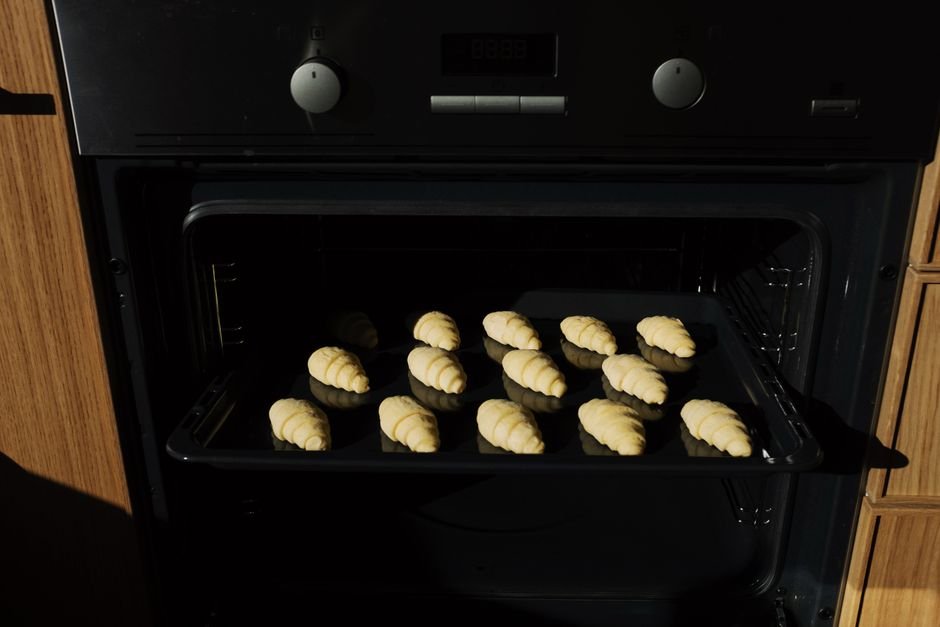
Key Differences Between Toaster Ovens and Convection Ovens
1. Size and Capacity
- Compact and lightweight
- Designed for small portions
- Limited interior space
- Fits easily on countertops
Convection Oven
- Larger overall capacity
- Can accommodate full-size trays and pans
- Suitable for family-sized meals
- Requires more kitchen space
Winner: Convection oven for larger meals; toaster oven for small kitchens and quick tasks.
2. Cooking Technology
Toaster Oven
- Uses radiant heat from heating elements
- Heat distribution can be uneven
- Food may require flipping or rotating
Convection Oven
- Uses a fan to circulate hot air
- Ensures even cooking and browning
- Reduces hot and cold spots
Winner: Convection oven for consistent and even cooking.
3. Cooking Speed and Efficiency
Toaster Oven
- Preheats very quickly
- Best for short cooking times
- Efficient for small servings
Convection Oven
- Cooks faster than traditional ovens
- Can reduce cooking time by 20–25%
- More efficient for large batches
Winner: Toaster oven for quick snacks; convection oven for faster full meals.
4. Temperature Control and Precision
Toaster Oven
- Basic temperature settings
- Less precise heat control
- Temperature fluctuations are common
Convection Oven
- More accurate temperature regulation
- Stable heat throughout cooking
- Ideal for baking and roasting
Winner: Convection oven for precision cooking.
5. Versatility and Features
Toaster Oven
- Toasting, baking, broiling, reheating
- Simple controls
- Limited advanced features
Convection Oven
- Baking, roasting, broiling, dehydrating
- Advanced settings and presets
- Can replace multiple appliances
Winner: Convection oven for versatility.
6. Energy Consumption
Toaster Oven
- Uses less electricity
- Ideal for single meals or small portions
- Energy-efficient for daily use
Convection Oven
- Consumes more energy overall
- More efficient than traditional ovens for large meals
Winner: Toaster oven for energy savings on small tasks.
7. Cost Comparison
Toaster Oven
- Generally more affordable
- Lower upfront cost
- Minimal installation required
Convection Oven
- Higher price range
- Built-in models are more expensive
- Installation may be required
Winner: Toaster oven for budget-conscious buyers.
Pros and Cons Summary
Toaster Oven Pros
- Compact and space-saving
- Fast preheating
- Lower energy use
- Affordable
Toaster Oven Cons
- Limited capacity
- Less even cooking
- Not ideal for large meals
Convection Oven Pros
- Even heat distribution
- Faster cooking times
- Excellent for baking and roasting
- Handles large portions
Convection Oven Cons
- Takes up more space
- Higher cost
- Longer preheating (compared to toaster ovens)
Which One Should You Choose?
Choose a toaster oven if:
- You live alone or cook for one or two people
- You need quick meals and snacks
- You have limited kitchen space
- You want an energy-efficient appliance
Choose a convection oven if:
- You cook frequently or for a family
- You bake or roast often
- You want consistent, professional-quality results
- You need versatility for larger meals
Can a Toaster Oven Be a Convection Oven?
Yes—some modern toaster ovens include convection features. These hybrid models use a fan to circulate air, combining the compact size of a toaster oven with some benefits of convection cooking. However, they still have limited capacity compared to full-size convection ovens Convection ovens.
Conclusion
The difference between a toaster oven and a convection oven comes down to size, performance, and purpose. A toaster oven is perfect for quick, simple cooking tasks, while a convection oven excels at evenly cooking larger and more complex meals.





Leave a Reply