

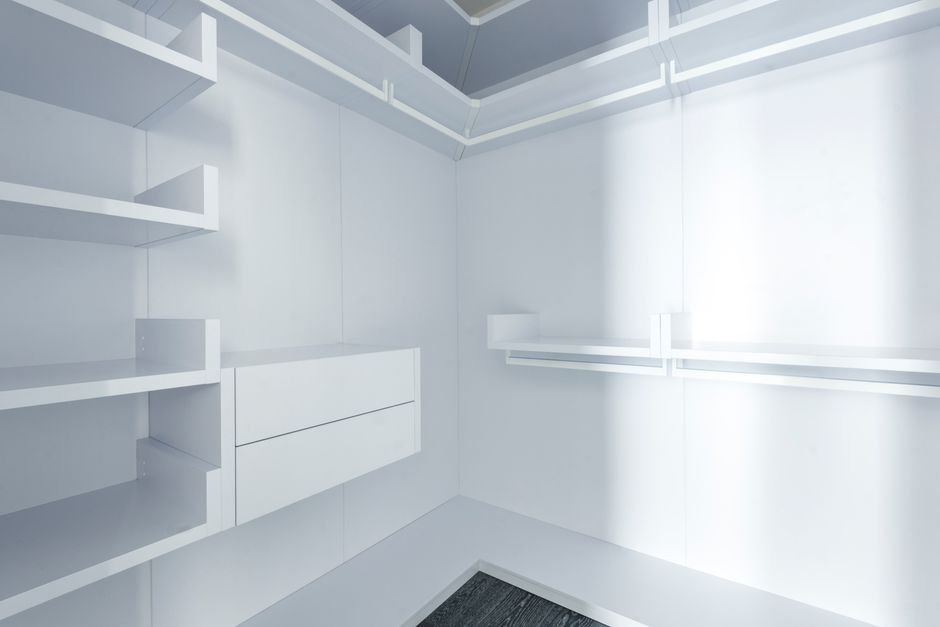
Over 30% of homeowners report frustration when their closet organizers don't fit right, costing them time and money. One common mistake is failing to measure the space accurately before purchasing an organizer, leading to unexpected issues during installation.
So, why might your closet organizer not fit? The main issues usually boil down to measuring errors, incompatible styles, or even assembly mistakes. Let’s break down these problems and explore how to fix them, so you can optimize your closet space seamlessly.
Common Causes of Fitting Problems
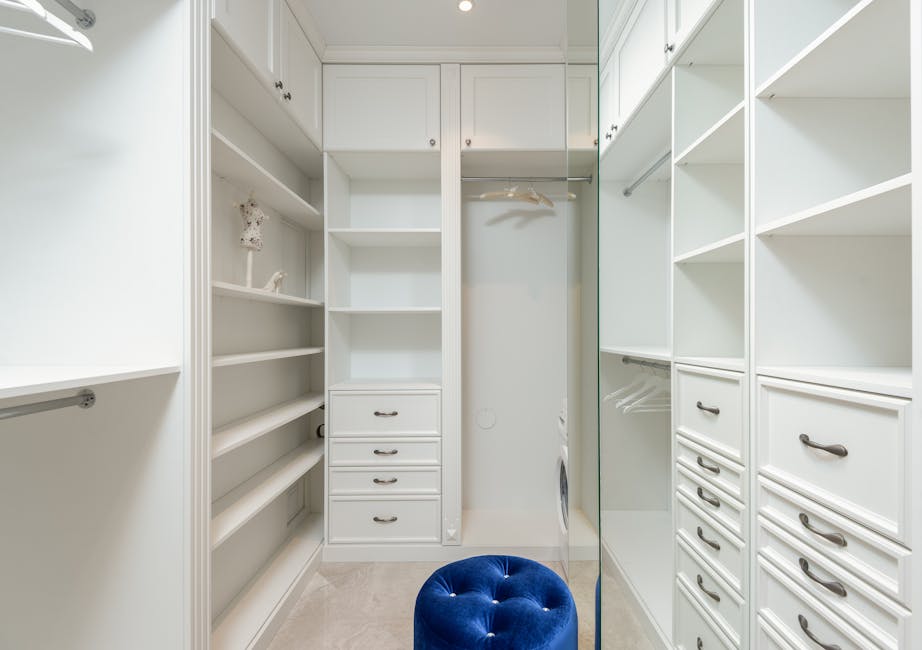
A lot of the frustration with closet organizers stems from measurement inaccuracies. I’ve learned the hard way that a simple miscalculation of just a couple of inches can lead to a situation where your shelves or compartments simply won’t fit. Take the time to measure your closet’s width, height, and depth accurately. Always double-check against the dimensions listed for your chosen organizer.
Another common issue is the style compatibility of your closet organizer. Wire shelving units, for instance, work well in various configurations, but they might not suit your overall aesthetic or fit with other storage solutions you’ve selected. If your custom-built organizer isn’t aligning with standard sizes, it can lead to gaps or overhang. Identifying the right style for your needs is critical.
Lastly, assembly mistakes often happen during installation. I’ve encountered situations where I put a unit together incorrectly, only to find out that a critical support piece was installed in the wrong orientation, causing everything to misalign. Always refer to the installation tips in the manual, and don’t hesitate to redo sections if something feels off.
Measuring Correctly for Your Space
Measuring your closet accurately is the foundation of a successful installation. Start by using a tape measure to note down the height, width, and depth of your space. Don’t forget to take into account factors like baseboards, door swings, and any ceiling slopes. A great tip is to draw a sketch of your closet with these measurements noted, making it easier to visualize your options.
When finding a closet organizer, also consider the required space for opening drawers or doors. Based on what I’ve seen, a gap of at least three inches around the organizer can prompt smoother functionality. Realigning the organizer with your needs saves you time later and can prevent the chaos of having to return items that simply don’t fit.
Choosing the Right Organizer
Next, consider the range of closet storage solutions available. There are various types, including modular shelving, built-ins, and standalone units. Each has its advantages, depending on your closet’s size and your personal design preferences. I’ve seen modular shelving offer a lot of flexibility, allowing adjustments as your storage needs change. This can be particularly handy in tight spaces.
For smaller or irregularly shaped closets, I recommend opting for a customizable organizer. This makes it much easier to work around unusual dimensions, such as a slanted ceiling or narrow depths. In contrast, if you have a larger area, built-ins provide a uniform look and can often maximize the overall storage space.
Tools You Need for Adjustments
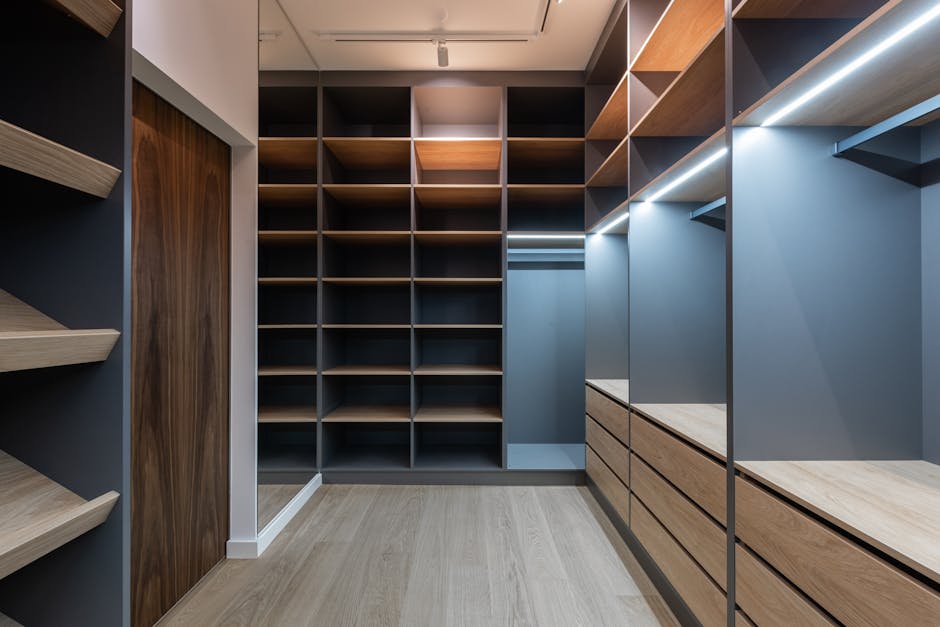
Sometimes, you may have to make adjustments post-installation. Having the right tools on hand can save you a lot of hassle. Some essential tools include a level, screwdriver, and drill. I often keep a stud finder handy, especially if I’m anchoring heavy shelving into drywall.
In addition to traditional tools, investing in some small hardware items can be beneficial. Brackets and wall anchors for additional support, as well as shims to help with uneven surfaces, can make a significant difference in ensuring your shelving unit is stable. Remember to look for adjustability in the design; this way, you can tweak your setup without starting from scratch.
Final Verdict on Closet Organizers
Opt for modular units if you need flexibility in adjusting your storage solutions. For those with a specific space and style in mind, fixed shelving may provide a more tailored fit. Addressing common concerns such as troubleshooting closet organizer not fitting can further enhance your experience.
See also our take on coffee beans not working.
Frequently Asked Questions
Why is my closet organizer not aligning?
Your closet organizer may not be aligning due to uneven walls, incorrect measurements, or installation errors. It's important to double-check the dimensions of both the organizer and the space to ensure they match.
Can I modify the size of a closet organizer?
Yes, many closet organizers can be modified to fit your space by cutting shelves or resizing components. However, be sure to use appropriate materials and tools to maintain stability and appearance.
How do I adjust a closet organizer for sloped ceilings?
To adjust a closet organizer for sloped ceilings, you can use angled brackets or adjustable shelves that can be cut to fit the slope. Additionally, customizing the shelving height on one side can help fit the organizer more securely.
Is it possible to customize a closet organizer?
Absolutely, customizing a closet organizer is a common practice to better suit your specific storage needs and space constraints. You can select different components, adjust sizes, or use modular systems that allow for greater flexibility.
What tools are needed for fitting a closet organizer?
Typically, you will need a level, tape measure, drill, screwdriver, and possibly a saw for cutting shelves. Additionally, having wall anchors and brackets can help ensure that the organizer is securely mounted.




Leave a Reply